Holly wood is a unique hardwood best known for its exceptionally white color. In fact, American Holly is often regarded as the whitest naturally occurring commercial wood, making it highly desirable for fine woodworking, decorative inlays, carvings, and specialty furniture. Although it is not commonly used for large construction projects, its smooth texture, fine grain, and attractive appearance have made it a favorite among woodturners, instrument makers, and craftsmen.
Despite its beauty, Holly wood also has some drawbacks. It has low natural resistance to decay and insects, making it unsuitable for most outdoor applications. In this guide, we’ll explore the properties, uses, advantages, disadvantages, workability, and sustainability of Holly wood to help you decide whether it is the right material for your project.
What Is Holly Wood?
Holly wood comes primarily from American Holly (Ilex opaca), an evergreen hardwood native to the eastern and central United States and parts of southeastern Canada.
The genus Ilex contains more than 500 species, ranging from small shrubs to medium-sized evergreen and deciduous trees. Many Holly species are grown as ornamental plants because of their glossy green leaves and bright red berries, which are commonly associated with Christmas decorations.
American Holly trees generally grow 40 to 50 feet (12–15 m) tall with trunk diameters of 1 to 2 feet (0.3–0.6 m). Although the trees are not especially large, the wood is valued for its bright white appearance and fine texture rather than its size.
Because Holly logs are relatively small and clear lumber is difficult to obtain, wide boards are uncommon and often expensive.
Holly Wood Characteristics
| Property | Holly Wood |
|---|---|
| Scientific Name | Ilex opaca |
| Wood Type | Hardwood |
| Average Dried Weight | Approximately 40 lbs/ft³ (640 kg/m³) |
| Janka Hardness | About 1,020 lbf (4,540 N) |
| Color | Creamy white to nearly pure white |
| Grain | Mostly straight, occasionally interlocked |
| Texture | Fine and uniform |
| Natural Luster | Moderate |
| Rot Resistance | Low |
| Workability | Moderate |
| Common Uses | Furniture, inlays, carvings, brush handles, turned objects |
With a Janka hardness of approximately 1,020 lbf, Holly is hard enough for furniture and decorative projects while remaining easy to shape with sharp tools.
Common Uses of Holly Wood
Holly is not commonly used for structural applications because of its limited availability and relatively small tree size. Instead, it is prized for fine woodworking and decorative projects.
Common uses include:
- Fine furniture
- Decorative inlays
- Cabinet accents
- Turned bowls
- Brush and broom handles
- Tool handles
- Chess pieces
- Piano keys (historically)
- Carvings
- Knife handles
- Small boxes
- Musical instrument components
One of Holly’s most famous uses is wood inlay work, where its naturally white color provides a striking contrast against darker woods such as Walnut, Ebony, or Rosewood.
Wood Color and Grain
The most distinctive characteristic of Holly wood is its color.
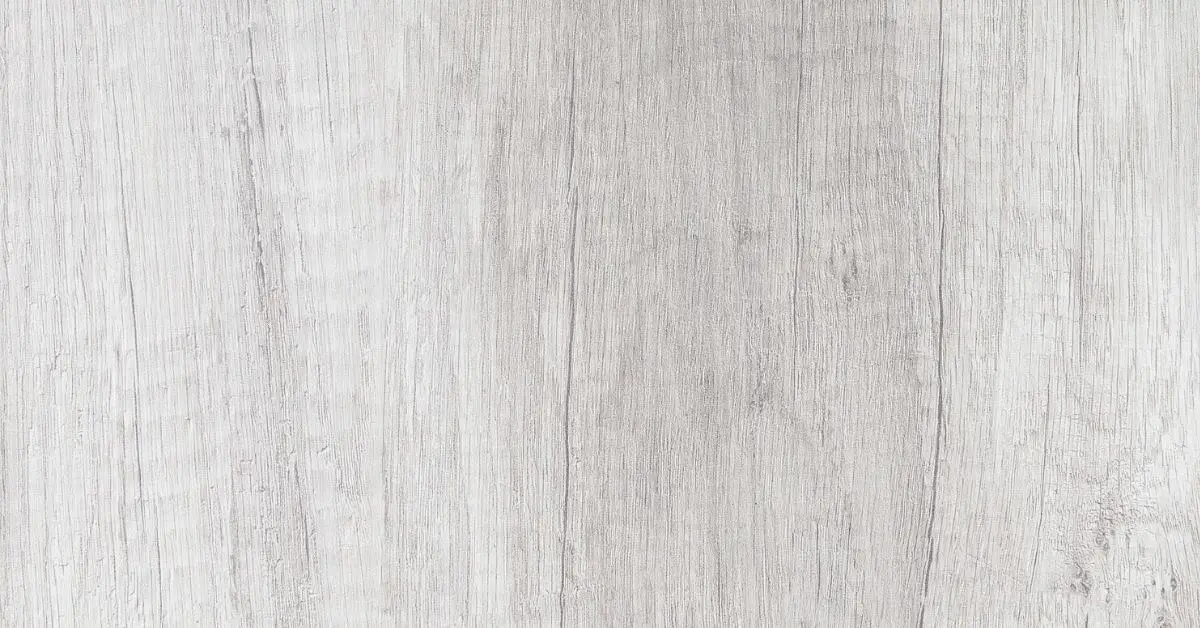
Freshly cut Holly is almost pure white, with very little difference between the heartwood and sapwood. This natural whiteness is difficult to find in other commercial hardwoods, making Holly especially valuable for decorative woodworking.
If the wood is not dried and stored properly, it may develop gray, yellow, or blue discoloration. For this reason, Holly is often kiln-dried soon after harvesting to preserve its bright white appearance.
The grain is generally straight, although occasional boards may display slightly interlocked grain.
Its texture is fine and even, allowing craftsmen to achieve an exceptionally smooth surface after sanding and finishing.
Working with Holly Wood
Although Holly is not difficult to machine, it requires sharp cutting tools because of its density and occasional interlocked grain.
It performs well with both hand and power tools.
Machining
Holly cuts cleanly and produces smooth edges when sharp blades are used.
Interlocked grain may occasionally cause tear-out during planing, but taking light cuts usually solves the problem.
Turning and Carving
Holly is an excellent wood for woodturning and carving.
Its fine texture allows intricate details to be carved with clean, crisp edges.
This is one reason Holly is popular for decorative ornaments, chess pieces, and carved handles.
Gluing and Fasteners
Holly bonds well with most woodworking adhesives.
It also provides good nail and screw holding strength, although pre-drilling is recommended near the edges to reduce splitting.
Sanding and Finishing
Holly sands very smoothly and accepts clear finishes, oils, lacquer, shellac, and polyurethane.
Many woodworkers avoid dark stains because they hide Holly’s naturally white color. Instead, clear finishes are commonly used to preserve its unique appearance.
Advantages of Holly Wood
Beautiful Natural White Color
Holly is considered one of the whitest commercial hardwoods available.
Its clean appearance makes it ideal for decorative work and furniture that requires light-colored wood.
Fine and Uniform Texture
The wood has a smooth, consistent texture that produces excellent results after sanding and finishing.
This makes Holly particularly suitable for detailed woodworking.
Good Hardness
Although not among the hardest hardwoods, Holly is durable enough for most indoor furniture and decorative applications.
Its moderate hardness helps resist everyday dents and scratches better than many softwoods.
Excellent for Carving and Turning
Holly machines well and holds fine details, making it a favorite for woodturners and woodcarvers.
Small decorative projects can be produced with excellent precision.
Takes Finish Well
Holly accepts oils, lacquer, polyurethane, and clear finishes without difficulty.
A clear finish enhances the wood while preserving its natural white appearance.
Disadvantages of Holly Wood
Poor Natural Rot Resistance
One of Holly’s biggest drawbacks is its low resistance to moisture and fungal decay.
It is generally not recommended for outdoor furniture or exterior construction unless it is completely protected from the weather.
Susceptible to Insect Attack
Untreated Holly has little natural resistance to termites and other wood-boring insects.
Indoor use greatly reduces this risk.
Limited Availability
Because Holly trees are relatively small, wide clear boards are uncommon.
High-quality lumber is often difficult to find and costs more than many domestic hardwoods.
Can Discolor During Drying
One challenge with Holly is maintaining its bright white color.
Improper drying or prolonged exposure to moisture may cause unwanted gray, blue, or yellow staining.
Proper kiln drying and storage are essential to preserve its appearance.
Is Holly Wood Sustainable?
Yes.
American Holly is not listed in the CITES Appendices or on the IUCN Red List as a threatened species.
It is harvested responsibly in many regions, making it a sustainable choice when purchased from reputable suppliers.
Because Holly trees grow relatively slowly and produce small logs, responsible forestry practices remain important.
Is Holly Wood Toxic?
No serious health concerns have been reported specifically for Holly wood.
However, like most hardwoods, fine wood dust may cause:
- Eye irritation
- Skin irritation
- Nose and throat irritation
- Respiratory discomfort in sensitive individuals
Always wear proper eye protection and a dust mask when machining or sanding wood.
It is also worth noting that Holly berries are poisonous if ingested and should be kept away from children and pets.
Common Types of Holly
Although there are hundreds of Holly species, only a few are commonly associated with woodworking.
American Holly (Ilex opaca)
American Holly is the most commercially important species.
It is prized for its bright white wood, fine texture, and decorative appearance.
English Holly (Ilex aquifolium)
Native to Europe, western Asia, and North Africa, English Holly is widely recognized for its ornamental value and Christmas decorations.
Its wood is similar in appearance and properties to American Holly.
Cape Holly (Ilex mitis)
Despite its common name, Cape Holly is native to parts of Africa.
Its wood is moderately hard and is occasionally used for furniture, tool handles, and decorative woodworking.
Frequently Asked Questions
Is Holly wood hardwood or softwood?
Holly is a hardwood, even though its light color may resemble some softwoods.
Is Holly the whitest wood?
Yes. American Holly is widely regarded as the whitest naturally occurring commercial hardwood.
Is Holly good for furniture?
Yes. Holly is an excellent choice for indoor furniture, decorative cabinetry, inlays, carvings, and specialty woodworking projects.
Can Holly wood be used outdoors?
It is not recommended for long-term outdoor use because it has low natural resistance to moisture, decay, and insects.
Why is Holly wood expensive?
Holly lumber is relatively expensive because large trees are uncommon, clear boards are limited, and demand for its distinctive white color remains high.
Final Verdict
Holly wood is a unique hardwood that stands out because of its exceptionally white color, fine texture, and excellent finishing qualities. It is an outstanding choice for decorative woodworking, inlays, carvings, fine furniture, and turned objects where appearance is the top priority.
Its main limitations are poor natural durability, limited availability, and higher cost compared to many domestic hardwoods. For indoor projects, however, Holly offers a combination of beauty and workability that few other woods can match. If you’re looking for a naturally white hardwood for fine woodworking, Holly remains one of the best options available.