If you’ve got a black walnut tree on your property — whether it fell in a storm, needs to come down, or you’re just curious what it’s worth — you’ve probably searched around and found wildly different numbers. Some say a single tree could be worth thousands. Others say buyers will barely give you anything for it. The truth is, black walnut value depends on a lot of variables, and this guide breaks down exactly what determines the price, what you can realistically expect, and how to get the most value out of your wood.
Why Black Walnut Is So Valuable in the First Place
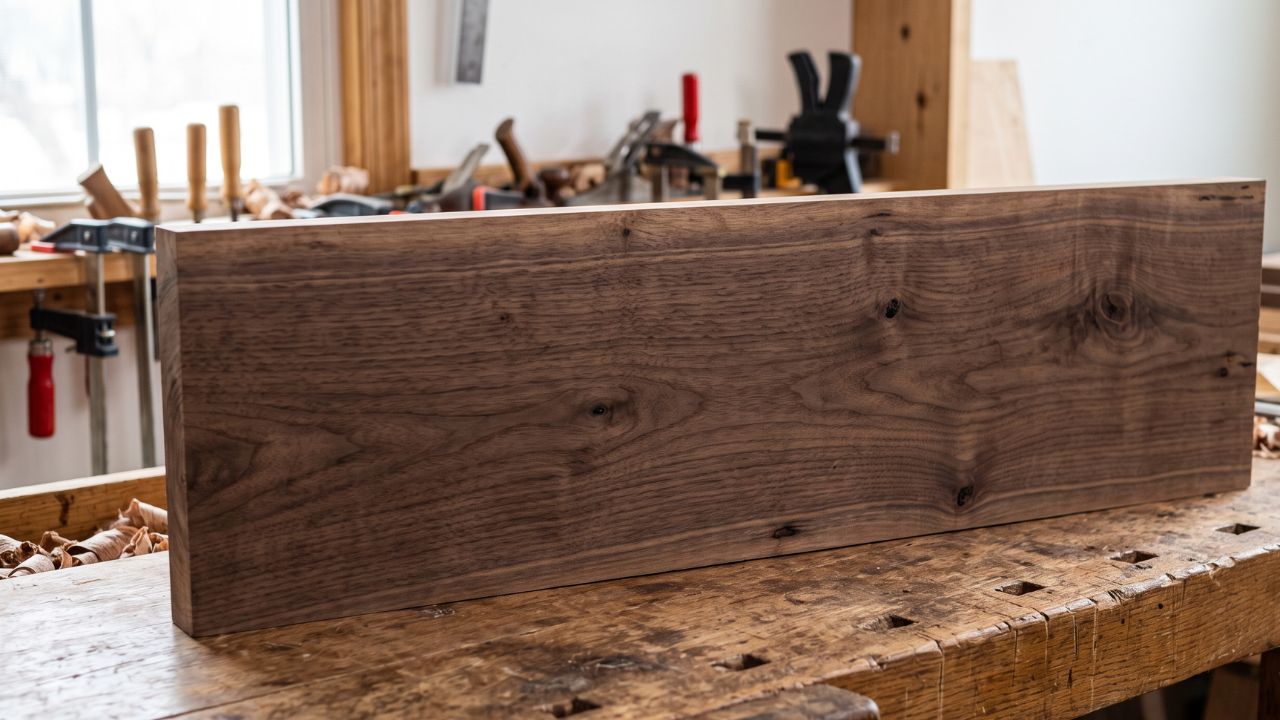
Black walnut (Juglans nigra) is one of the most commercially valuable hardwoods native to North America. It’s prized for its rich, dark chocolate-brown heartwood, fine straight grain, excellent workability, and natural durability. It’s a top choice for furniture, gunstocks, cabinetry, flooring, veneer, and even musical instruments.
Unlike many hardwoods that need staining to achieve a deep, rich tone, black walnut’s natural color does the work for you — which is a big reason high-end furniture makers and woodworkers are willing to pay a premium for it.
How Black Walnut Is Priced
Black walnut value isn’t a single number — it depends heavily on the form the wood is in and who you’re selling to. Here’s a general breakdown:
| Form | Typical Price Range | Notes |
|---|---|---|
| Standing tree (on the stump) | $300 – $3,000+ per tree | Highly dependent on size, quality, and location |
| Sawlogs (delivered to mill) | $0.50 – $3.00+ per board foot | Veneer-quality logs can go much higher |
| Veneer logs (premium quality) | $1,000 – $20,000+ per log | Rare, exceptional logs have sold for far more |
| Rough sawn lumber (retail) | $5 – $12 per board foot | Varies by grade and thickness |
| Surfaced/finished lumber | $8 – $20+ per board foot | Higher for figured or wide boards |
| Walnut veneer sheets | $1 – $5+ per square foot | Price scales with figure and consistency |
Note: These are general market ranges and can vary significantly by region, current demand, and the specific buyer. Always get a local appraisal or quote before assuming a value.
What Determines the Value of a Black Walnut Tree
Not all walnut trees are created equal. Here’s what buyers and mills actually look at when pricing a tree:
1. Trunk Diameter and Length
Larger diameter trunks yield more board feet of usable lumber, and longer, straighter trunks without major defects are worth significantly more. A tree needs to typically be at least 16–20 inches in diameter at breast height to be considered valuable for lumber, with larger diameters commanding higher prices.
2. Straightness and Length of the Clear Trunk
Buyers pay the most for long, straight sections free of branches, knots, or forks — this is called the “clear length.” A tree with 10+ feet of clear, straight trunk is far more valuable than one that forks low or has lots of branching.
3. Health and Condition
Rot, insect damage, cracks, and metal objects embedded in the trunk (like old fence nails) can drastically reduce — or completely eliminate — a tree’s value. Mills typically use metal detectors before milling because hitting metal can destroy expensive saw blades.
4. Grain Figure
Plain, straight-grained walnut is valuable, but figured walnut — curly, crotch, burl, or stump wood with swirling patterns — can be worth dramatically more, especially for veneer or specialty woodworking.
5. Location and Local Demand
Prices vary by region depending on local mills, veneer companies, and demand. Walnut from the Midwest and parts of the Appalachian region, where some of the best-quality walnut grows, often commands strong prices due to established buyer networks.
6. Heartwood-to-Sapwood Ratio
Buyers want trees with a high proportion of dark heartwood, since that’s the prized color. Younger or faster-grown trees tend to have more pale sapwood, which is less desirable and often discarded.
Standing Tree vs. Logs vs. Lumber: Where the Real Money Is
A lot of people assume that a single walnut tree in their yard is worth a fortune simply because they’ve heard stories of trees selling for tens of thousands of dollars. Those stories are real — but they’re the exception, not the rule, typically involving exceptional veneer-grade logs with rare figure and near-perfect form.
For most homeowners, here’s the realistic picture:
- Selling standing or as a raw log: This is the easiest option but yields the lowest price, since the buyer takes on all the harvesting, transport, and milling cost and risk.
- Having it milled into lumber first: This requires more effort and often a custom milling service, but rough sawn or dried lumber sells for considerably more per board foot than a raw log.
- Selling as finished or surfaced lumber: This commands the highest price per board foot, but requires drying time, equipment, and market access.
If you have the time and resources, moving further down this chain generally increases your return — but it also increases your upfront cost and risk.
How to Estimate the Value of Your Walnut Tree
A rough estimate of board footage can be calculated using the Doyle log rule, a standard formula loggers and mills use:
Doyle Log Rule:Where:
- BF = board feet
- D = diameter at the small end of the log, in inches
- L = log length, in feet
Example: A log with a 24-inch diameter and 12-foot length:If that log were valued at $1.50 per board foot, it would be worth roughly $450 as a raw sawlog — though a veneer-quality log of the same size could be worth several times more.
Tips to Get the Best Price for Your Walnut Tree
- Get multiple quotes. Prices can vary significantly between local mills, loggers, and veneer buyers — don’t settle for the first offer.
- Don’t cut it down yourself if you can avoid it. Improper felling can damage the trunk and reduce its value; many high-value trees are worth bringing in a professional timber buyer to assess and harvest properly.
- Have it inspected by a forester or timber buyer. A consulting forester can give you an unbiased appraisal, separate from a buyer who has an incentive to lowball you.
- Check for metal and damage first. Old fence lines, nails, or embedded hardware can tank the value, so check the tree’s history if possible.
- Consider timing. Walnut prices can fluctuate with broader lumber and veneer market demand, so it sometimes pays to wait if you’re not in a rush to sell.
Common Misconceptions About Black Walnut Value
“Every walnut tree is worth thousands of dollars.”
Not true. Most ordinary walnut trees, especially smaller, branchy, or damaged ones, are worth a modest amount — often just a few hundred dollars or less as a standing tree.
“Bigger always means more valuable.”
Size helps, but straightness, clear trunk length, and absence of defects matter just as much, if not more, than raw diameter.
“I can sell it directly as furniture-grade lumber right away.”
Freshly cut walnut needs to be properly dried (often a year or more for air drying, less with a kiln) before it’s usable for fine woodworking — green logs and lumber are worth considerably less.
Claro Walnut vs Black Walnut Wood | What Are the Differences?
Final Thoughts
Black walnut is genuinely one of the more valuable hardwoods you can have on your property, but the headline-grabbing prices you might have read about apply to rare, exceptional logs — not the average backyard tree. The real value depends on trunk size, straightness, health, grain figure, and local market demand. If you think you have a high-quality walnut tree, your best move is to get it assessed by a local forester or timber buyer before making any decisions, so you know exactly what you’re working with.