
Beech wood is a hard, strong hardwood with a fine texture and generally straight grain. It is widely used for furniture, flooring, cabinetry, and turned objects. Its light color also makes it suitable for projects where a clean, understated appearance is preferred.
The main advantages of beech wood are its hardness, workability, and excellent steam-bending properties. Its biggest limitations are poor natural rot resistance and movement when moisture conditions change. These characteristics make it better suited to dry indoor applications than exposed outdoor projects.
What Is Beech Wood?
Beech wood comes from deciduous trees in the genus Fagus, which belongs to the Fagaceae family. Different beech species grow in Europe, Asia, and North America.
European beech (Fagus sylvatica) and American beech (Fagus grandifolia) are two commercially important species. Although they share many characteristics, their appearance, availability, and physical properties differ slightly.
Beech typically has a pale cream, pinkish, or light reddish-brown appearance. Steaming can produce a warmer, more uniform pinkish tone.
The wood is valued for indoor products that need a hard, smooth surface. However, hardness should not be confused with resistance to decay: untreated beech is not naturally rot-resistant.
Beech Wood Properties
| Property | Description |
|---|---|
| Botanical genus | Fagus |
| Wood type | Hardwood |
| Main commercial species | European beech and American beech |
| Color | Pale cream to pinkish or reddish-brown |
| Grain | Generally straight |
| Texture | Fine and fairly uniform |
| Janka hardness | Approximately 1,300 lbf for American beech and 1,450 lbf for European beech |
| Natural rot resistance | Poor |
| Workability | Generally good with sharp tools |
| Steam bending | Excellent with suitable stock and processing |
| Dimensional stability | Requires care because moisture changes can cause substantial movement |
| Common uses | Furniture, flooring, cabinetry, veneer, plywood, tool handles, and kitchenware |
| Availability and price | Depend on species, grade, dimensions, and location |
These are general characteristics. Individual boards vary, and the condition of the lumber matters as much as its species.
Beech Wood Uses
Furniture and Cabinetry
Beech is commonly used for chairs, tables, cabinets, drawers, and other indoor furniture. Its fine texture creates a smooth finished surface, while its hardness helps it withstand everyday use.
Its steam-bending qualities are especially useful for curved chair parts and other shaped components.
Flooring
Beech can make attractive, hardwearing indoor flooring. Its relatively subtle grain works well in rooms where a light, consistent appearance is preferred.
However, a hard surface can still scratch or dent. Beech flooring also needs suitable moisture conditions and installation that accommodates seasonal movement.
Veneer and Plywood
Beech veneer is used for furniture surfaces and plywood. Thin veneers can also be formed into curved components, making beech useful for molded seating and furniture parts.
The moisture resistance of beech plywood depends on its construction and adhesive classification. The species name alone does not make the panel suitable for outdoor use.
Tool Handles and Turned Objects
Beech is used for tool and brush handles, knobs, and other turned items. Its fine texture allows a smooth surface that is comfortable to handle.
Kitchenware
Common applications include chopping boards, utensils, rolling pins, and worktops. These products need appropriate construction, finishing, cleaning, and drying.
Wooden kitchenware should not be left soaking in water.
Musical Instruments
Beech is used in some drum shells and other instrument components. Its performance depends on the instrument’s design, dimensions, construction, and finish, so the wood species alone does not determine its sound.
Beech Wood Advantages and Disadvantages
Advantages of Beech Wood
1. Attractive Appearance
Beech has a generally straight grain and a fine, even texture. Its light color suits both traditional furniture and simple contemporary designs.
A clear finish can highlight its natural appearance without introducing a strong grain pattern.
2. Good Workability
Beech can be machined, turned, glued, and finished successfully. Sharp tools and careful preparation help produce clean edges and smooth surfaces.
Pre-drilling is useful when driving screws near board ends or into thin components.
3. Hard and Hardwearing
Beech provides a firm surface for furniture and flooring. It handles everyday wear well when the product is properly designed and maintained.
However, it is not scratchproof or dentproof. Surface finish, loading, and use all affect how well a finished piece holds up.
4. Excellent Steam-Bending Properties
One of beech’s most useful qualities is its ability to bend under suitable steaming conditions. This makes it valuable for curved furniture components.
Successful bending still depends on straight-grained stock, suitable moisture content, and proper technique.
5. Can Offer Good Value
Beech can be an economical choice where suitable lumber is readily available, particularly European beech in established supply markets.
It is not always the cheapest hardwood. Thick boards, clear grades, imported stock, and specially selected material can cost more.
6. Available From Certified Sources
Beech can be purchased through suppliers offering certified material. When responsible sourcing is a priority, ask about the certification and origin of the specific lumber being sold.
A species name alone does not establish that every board was sustainably sourced.
Disadvantages of Beech Wood
1. Poor Natural Rot Resistance
Untreated beech is a poor choice for exposed decking, fence posts, and furniture that remains wet.
A surface coating does not turn it into a naturally durable outdoor species. Applications involving repeated wetting need a material and treatment system specifically suited to those conditions.
2. Movement With Changes in Moisture
Beech can shrink, swell, warp, or check when moisture conditions change. This is an important consideration for wide panels, tabletops, flooring, and tightly fitted components.
The American Hardwood Export Council notes that American beech has substantial drying shrinkage and moves in humid conditions.
Proper drying, acclimation, and joinery that allows movement are important. Finishing helps manage moisture exchange, but it does not eliminate wood movement.
3. Relatively Heavy
Beech’s weight can be useful in a substantial piece of furniture, but it also makes large components harder to move and handle.
For lightweight furniture or portable items, another material may be more practical.
Beech Wood Characteristics Explained
Color and Appearance
Beech ranges from pale cream to pinkish or reddish-brown. Color varies with species, growing conditions, board selection, and processing.
American beech can show more noticeable color variation than European beech. Steamed material generally has a warmer appearance than unsteamed stock.
Grain and Texture
The grain is usually straight, with a fine, uniform texture. Small rays may appear as fine flecks, especially on quartersawn surfaces.
This gives beech a quieter appearance than woods with prominent open grain, such as oak.
Hardness
Commonly quoted Janka hardness values are:
- American beech: approximately 1,300 lbf.
- European beech: approximately 1,450 lbf.
Janka hardness measures resistance to indentation. It does not measure decay resistance or guarantee that a finished surface will resist scratches.
Workability and Finishing
Beech generally machines and finishes well, although tool sharpness and grain direction affect the result.
Always test a stain and finish on an offcut from the same boards. A sample helps confirm the final color before finishing the entire project.
Durability
For dry indoor applications, beech can provide long service. Outdoors, its lack of natural decay resistance becomes a major limitation.
The important distinction is between resistance to everyday wear and resistance to biological decay. Beech performs much better in the first category.
Steamed Beech Wood Properties
Steamed beech is beech lumber that has undergone a controlled steaming process. One reason for this treatment is to modify and even out its color, commonly producing a pinkish or warmer tone.
The result depends on the original wood and the steaming schedule. Lightly steamed material may look different from more heavily steamed stock.
Steamed beech is used for furniture, flooring, and other interior products. It should not be confused with wood steamed temporarily for bending.
Ordinary color-steaming also does not make beech waterproof or suitable for permanent outdoor exposure.
American Beech vs European Beech
| Characteristic | American Beech | European Beech |
|---|---|---|
| Scientific name | Fagus grandifolia | Fagus sylvatica |
| Native region | Eastern North America | Europe |
| Typical appearance | Pale sapwood with potentially darker reddish-brown heartwood | Pale cream to pinkish tones; often sold steamed |
| Approximate Janka hardness | 1,300 lbf | 1,450 lbf |
| Common applications | Furniture, flooring, handles, and turned products | Furniture, flooring, bentwood components, veneer, and plywood |
| Availability | Can be limited in certain grades and dimensions | Widely traded, particularly through European hardwood suppliers |
| Outdoor suitability | Poor without an appropriate specialized treatment | Poor without an appropriate specialized treatment |
For most indoor projects, lumber quality, drying, dimensions, and local availability will be more useful purchasing factors than the modest difference in hardness.
Types of Beech Wood
Examples of true beech species include:
- American beech: Fagus grandifolia
- European beech: Fagus sylvatica
- Japanese beech: Fagus crenata
- Oriental beech: Fagus orientalis
- Japanese blue beech: Fagus japonica
Names such as copper beech, tricolor beech, weeping beech, and fern-leaf beech generally refer to ornamental forms or cultivars of European beech. They should not all be listed as separate timber species.
What to Check Before Buying Beech Lumber
A few checks can help you select boards that suit your project:
- Confirm the species. Ask whether the lumber is American or European beech.
- Check whether it is steamed. Buy matching stock when consistent color matters.
- Ask about drying and storage. The lumber’s moisture condition should suit its intended indoor environment.
- Inspect for defects. Look for end checks, surface cracks, bowing, twisting, and unsuitable knots.
- Allow for machining. Rough boards need enough extra thickness and width for flattening and trimming.
- Match the material to the application. Avoid choosing untreated beech for a project that will remain damp or exposed to weather.
FAQs About Beech Wood
Is Beech Wood Good for Outdoor Use?
Untreated beech is generally unsuitable for long-term exposure to weather or soil because it has poor natural decay resistance.
For outdoor furniture, choose a suitable naturally durable wood or a product specifically treated and approved for that application. Routine painting or oiling should not be treated as a guarantee against decay.
Is Beech Wood Good for Smoking Meat?
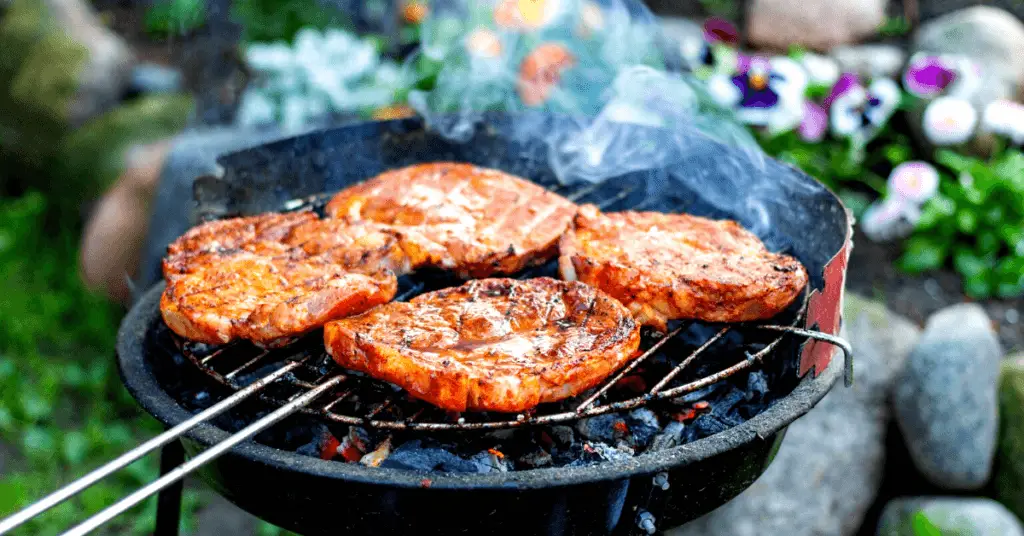
Yes, beech is used for smoking meat and fish. Use clean, untreated wood sold or confirmed suitable for cooking.
Do not use painted, preserved, glued, or otherwise contaminated workshop scraps. Adjust the amount of smoking wood to the food and the strength of flavor you prefer.
Is Beech Wood Hard or Soft?
Beech is a hardwood in both the botanical sense and everyday descriptions of its hardness. It comes from a broadleaf flowering tree and has relatively hard, dense wood.
American beech has a typical Janka rating of about 1,300 lbf, while European beech is about 1,450 lbf.
Is Beech Wood Safe for Kitchenware and Toys?
Beech is commonly used for kitchenware and wooden toys. However, the safety of a finished product also depends on its coatings, adhesives, design, and condition.
Choose finishes intended for the product’s use and follow their curing instructions. A suitable wood species alone does not make every finished item safe.
How Do You Identify a Beech Tree?
Beech trees typically have smooth gray bark, alternate leaves with prominent side veins, and nuts enclosed in prickly husks. Leaf shape and margins vary by species.
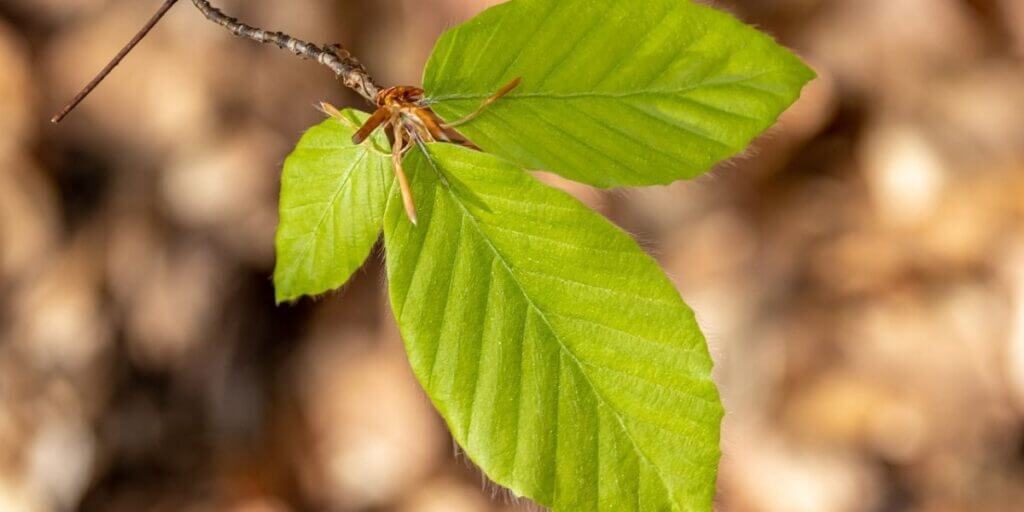
The Royal Horticultural Society’s beech guide highlights smooth gray bark and pleated leaves as characteristic features. Use several features together when identifying a tree.
Is Beech Wood Waterproof?
No. Beech absorbs moisture and changes dimensions as its moisture content changes.
A suitable finish offers some protection, but spills should still be wiped up promptly, and wooden items should be allowed to dry.
Conclusion
Beech is a useful choice for indoor furniture, flooring, cabinetry, and shaped wooden components. Its fine texture, hardness, and steam-bending qualities are its main strengths.
For the best results, choose properly dried lumber, allow for seasonal movement, and keep the finished product away from prolonged moisture. Its limitations matter most in damp or exposed outdoor conditions.
Comments are closed.