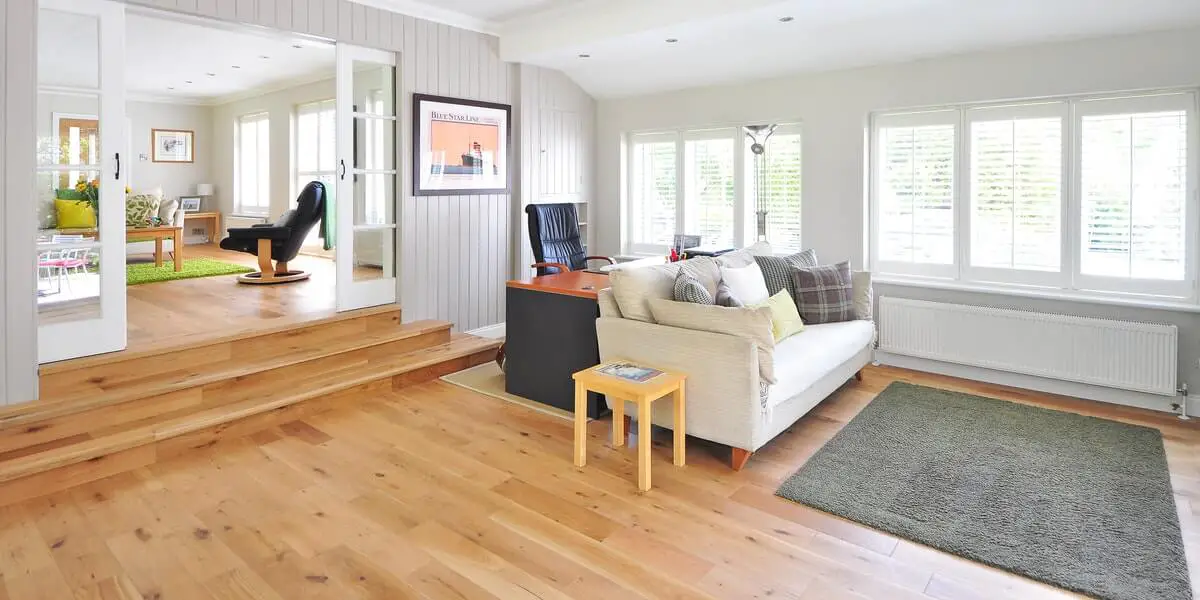
Sapele Engineered Wood Flooring: Pros, Cons, and Buying Guide
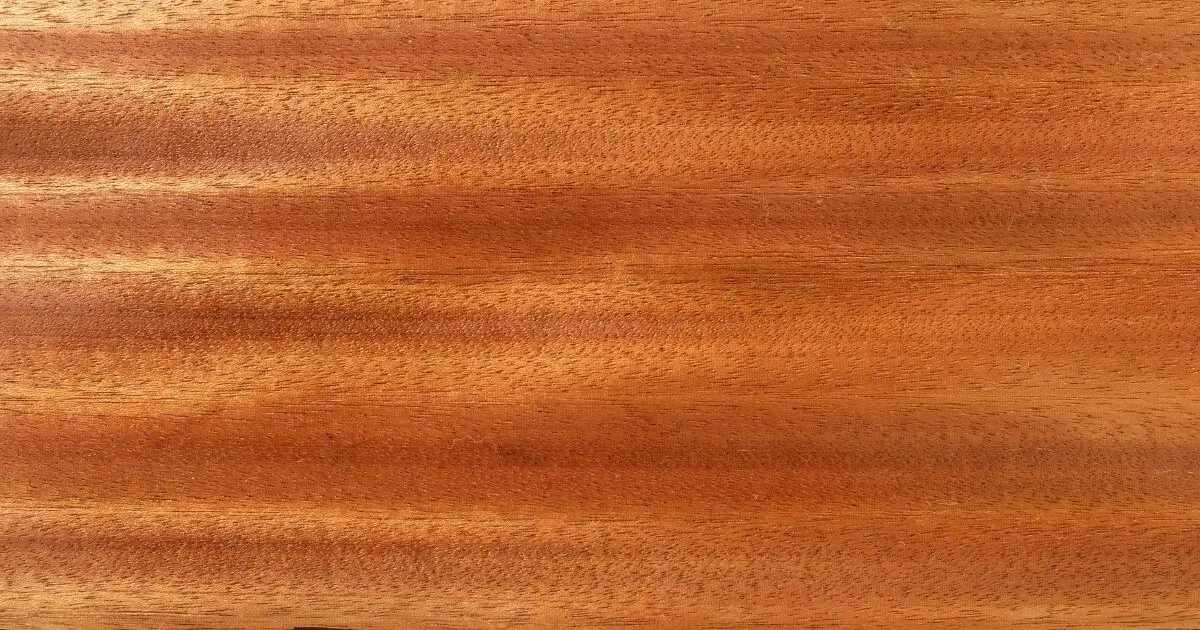
Sapele Engineered Wood

Sapele engineered wood flooring combines a real sapele surface with a layered core. It offers the warm reddish-brown color of solid sapele while generally providing better dimensional stability as indoor humidity changes. However, engineered construction does not make the floor waterproof, scratch-proof, or automatically more durable than solid wood. Its performance depends on the wear … Read more
Can You Refinish Engineered Wood Floors?

Can You Refinish Engineered Wood Floors?

Yes, some engineered wood floors can be sanded and refinished—but not all of them. The deciding factor is the thickness and condition of the real wood layer on top. If that layer is too thin or has already been sanded down, another sanding could permanently damage the boards. A dull floor does not always need … Read more

Mold Under Wood Floors: What Should You Do?

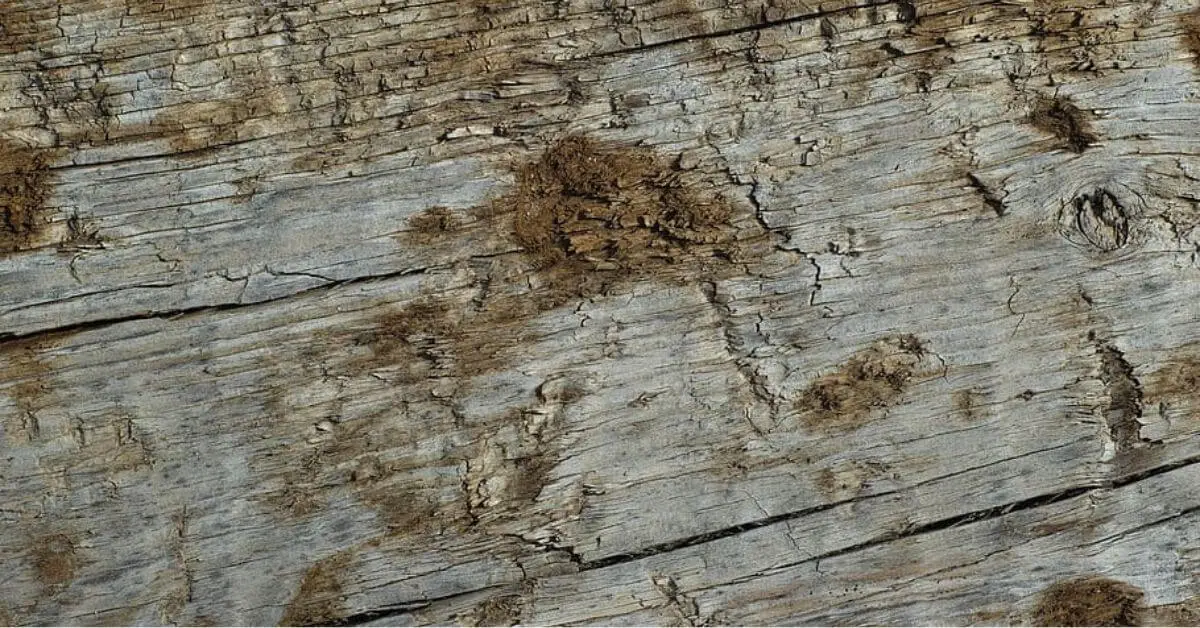
Mold Under Wood Floor - What To Do?

As an Amazon Associate, TimberBlogger.com earns from qualifying purchases. A musty smell or warped floorboard can be easy to overlook, especially when the floor still looks clean. But moisture trapped underneath wood flooring can create conditions for mold to grow out of sight. If you suspect mold under your wood floor, find and fix the … Read more

Engineered Wood Flooring Advantages and Disadvantages

engineered wood flooring advantages and disadvantages

Engineered wood flooring is a popular alternative to solid hardwood flooring. It has a real hardwood surface layer combined with multiple layers of wood or wood-based material underneath. This layered construction gives engineered flooring greater dimensional stability than solid hardwood while maintaining the natural appearance of real wood. Engineered wood flooring can be a good … Read more