
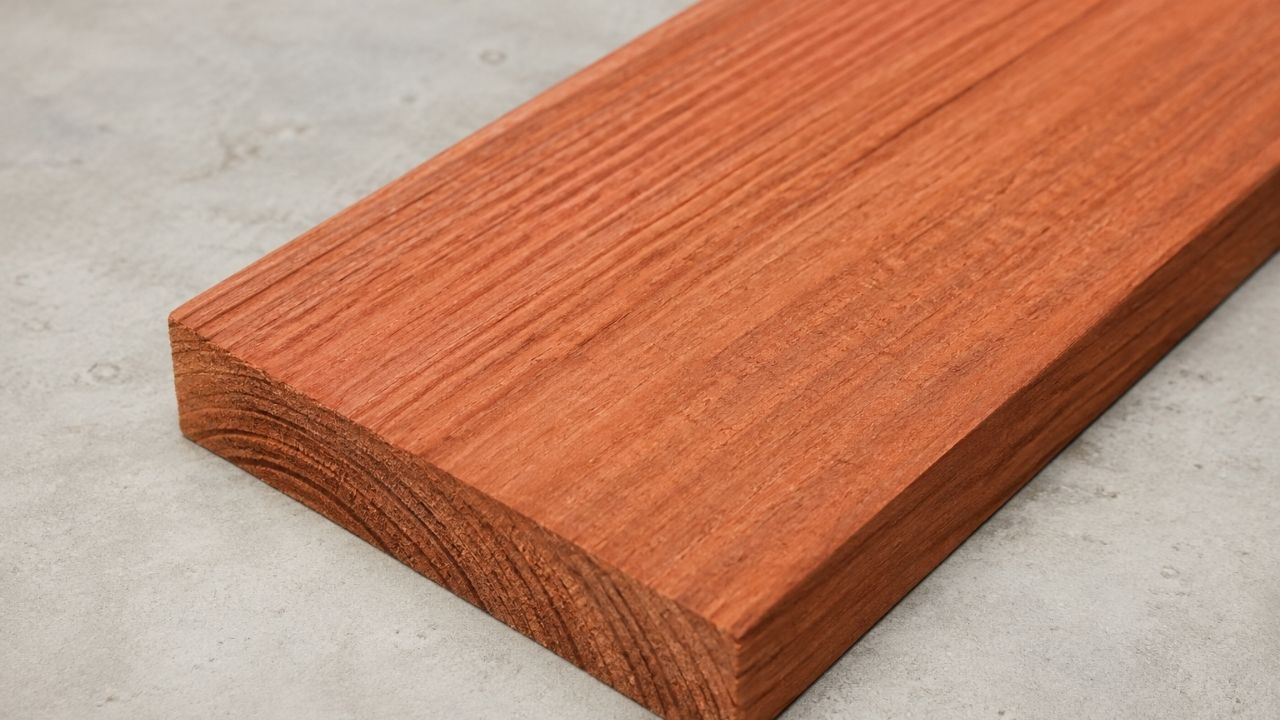
Yes, rosewood is generally considered an expensive hardwood, especially when compared with common woods such as pine, poplar, and many species of oak. However, the price of rosewood varies significantly depending on the species, quality, availability, size, origin, and legal restrictions on harvesting and trade.
Rosewood is not a single species of tree. The name refers to several hardwood species, many of which belong to the Dalbergia genus. These woods are valued for their rich colors, attractive grain, density, durability, and natural oils.
Some common rosewoods are expensive, while rare species can command extremely high prices. For example, Brazilian rosewood is considered one of the most valuable rosewoods because of its scarcity, desirable properties, and strict trade regulations.
Why Is Rosewood So Expensive?
There are several reasons why rosewood can be expensive.
1. Rosewood Is Naturally Beautiful
One of the main reasons for the high price of rosewood is its appearance. The heartwood can have rich brown, reddish, purple, or chocolate tones, often with contrasting darker streaks.
This distinctive appearance makes rosewood popular for premium furniture, veneers, musical instruments, flooring, and decorative wood products.
The wood’s natural color and grain can also become more attractive as it ages, increasing its appeal for high-end furniture and specialty woodworking.
2. Rosewood Is Strong and Durable
Rosewood is a dense hardwood with excellent durability. Many species are resistant to wear and have good dimensional stability, making them suitable for products that need to last for many years.
Its combination of strength, hardness, stability, and appearance makes it particularly desirable for premium applications.
East Indian rosewood, for example, is used for fine furniture, musical instruments, veneer, and specialty wood products, but its availability is increasingly limited.
3. Some Rosewood Species Are Rare
Not all rosewood species are equally available. Some have experienced significant population declines because of logging, habitat loss, and high demand.
When a desirable wood becomes scarce while demand remains high, its price generally increases.
This is particularly noticeable with some of the rarest rosewood species. Amazon rosewood, for example, is described as very expensive because supplies are likely to be very limited.
4. Supply Is Restricted
Another important factor is the regulation of rosewood trade.
Many Dalbergia species are covered by CITES regulations. The genus was placed under CITES Appendix II controls in 2017, while Brazilian rosewood (Dalbergia nigra) has been under the more restrictive Appendix I since 1992.
These regulations are intended to control international trade and help protect threatened species. However, they can also make legally sourced rosewood more difficult and expensive to obtain.
5. High Demand for Premium Wood
Rosewood has long been valued for luxury furniture, musical instruments, decorative products, and other specialty applications.
High demand combined with limited supplies has contributed to its high market value. Research on rosewood markets has documented extremely high prices for some rare species, particularly those used in luxury furniture.
How Much Does Rosewood Cost?
There is no single price for rosewood because the term covers many different species.
The price can vary considerably depending on the species and grade. Commonly available rosewood may cost considerably less than rare and highly sought-after species.
For example, East Indian rosewood is described as a high-priced imported hardwood, while Brazilian rosewood is generally considered very expensive and is often available only as reclaimed or previously harvested lumber because of strict trade controls.
The following factors can have a major effect on the final price:
- Rosewood species
- Board size and thickness
- Grade and quality
- Grain pattern and color
- Defects and knots
- Availability
- Country of origin
- Whether the wood is legally documented
- Whether it is reclaimed or newly harvested
- Local and international trade regulations
Therefore, a price quoted for one type of rosewood should not be assumed to apply to all rosewood.
Which Rosewood Is the Most Expensive?
Some of the rarest rosewood species can be extraordinarily expensive. Brazilian rosewood (Dalbergia nigra) is one of the best-known examples.
Brazilian rosewood is valued for its attractive appearance, strength, stability, and acoustic properties. Its scarcity and strict trade restrictions have made legally available material particularly valuable. The Wood Database describes it as likely to be very expensive, with sales generally limited to reclaimed or pre-existing lumber.
Other rare species can also command exceptionally high prices. Research on Dalbergia tonkinensis, for example, found substantial variation in heartwood prices depending on the size and quality of the material.
Is Indian Rosewood Expensive?
Indian rosewood (Dalbergia latifolia) is generally considered an expensive hardwood, although its price depends heavily on quality, availability, and location.
It is valued for its rich-colored heartwood, durability, and acoustic properties and is used for furniture, veneers, flooring, and musical instruments.
The availability of legally sourced Indian rosewood can also affect its price because the species is subject to international trade controls. Research describes Dalbergia latifolia as a high-value timber that has faced pressure from illegal logging and unsustainable harvesting.
It is important not to confuse Indian rosewood with Shisham (Dalbergia sissoo), which is a different species. Shisham is relatively abundant in India compared with some other rosewood species and has a different market profile.
Is Rosewood More Expensive Than Oak?
In general, rosewood is more expensive than common oak, particularly when comparing premium rosewood with standard commercial oak.
Oak is widely available and is produced commercially in large quantities. Rosewood, on the other hand, can have more limited availability, particularly for certain species and grades.
However, the exact price comparison depends on the species, grade, board dimensions, and local market.
A high-grade or specialty oak can also be expensive, while a more commonly available rosewood may be less expensive than some premium oak products.
Is Rosewood More Expensive Than Mahogany?
Rosewood is generally more expensive than standard mahogany, particularly when comparing rare rosewood species with commonly available mahogany.
Both woods are valued for furniture and woodworking, but rosewood’s distinctive appearance, density, scarcity, and trade restrictions can make it significantly more expensive.
Is Rosewood Worth the Money?
For certain applications, rosewood can be worth the higher price.
Its combination of beauty, durability, strength, density, and distinctive grain makes it an excellent choice for premium furniture, musical instruments, veneers, and decorative woodworking.
However, rosewood is not always the most practical choice. If your main priority is affordability, there are many other hardwoods that can provide good durability and appearance at a lower cost.
For everyday furniture or general construction, a less expensive hardwood may provide better value. Rosewood makes more sense when its distinctive appearance, durability, or acoustic properties are important.
Why Is Rosewood So Valuable?
The high value of rosewood comes from a combination of factors rather than a single characteristic.
Rosewood is expensive because it is beautiful, durable, dense, highly desirable, and—depending on the species—scarce and heavily regulated.
Some rare rosewood species have become especially valuable because decades of high demand and unsustainable harvesting have reduced their availability. The high commercial value has also contributed to illegal logging and trafficking in several parts of the world.
This is why the price of rosewood can range from expensive to extraordinarily expensive depending on exactly which species you are buying.
Final Thoughts
So, is rosewood expensive? Yes, in most cases rosewood is considered an expensive hardwood, but the price varies widely between species.
Common or more readily available species may be relatively affordable compared with the rarest rosewoods. In contrast, scarce species such as Brazilian rosewood can be extremely expensive because of their limited availability, high demand, desirable properties, and strict trade regulations.
If you are buying rosewood lumber or furniture, always check the exact species, origin, quality, and legal documentation rather than relying only on the name “rosewood.” This is especially important because different species sold under the rosewood name can have very different prices and legal requirements.