
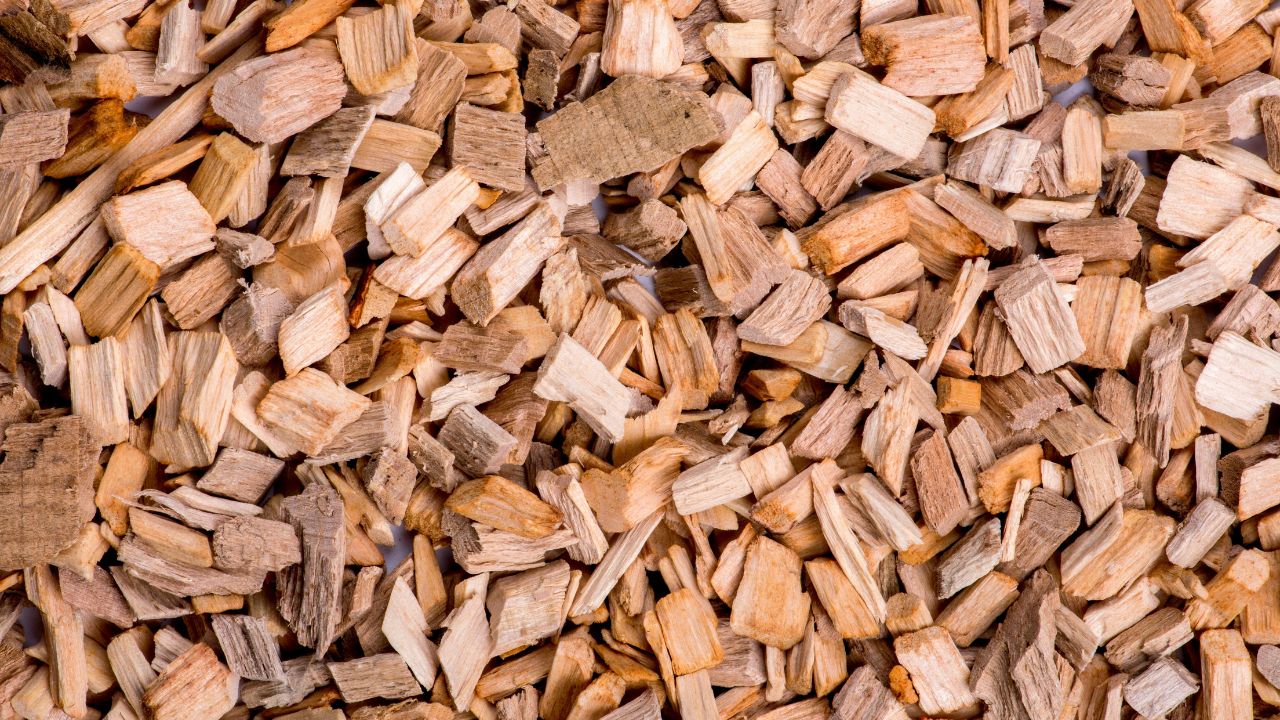
Ask a few barbecue enthusiasts how long to soak wood chips, and you will probably hear different answers. Some recommend 30 minutes, others prefer an hour, and many use their chips dry.
The difference often comes down to the equipment and how the wood is heated.
If your grill or smoker recommends soaking wood chips, 30–60 minutes is a common starting range. Drain them thoroughly before use. However, soaking is not necessary for every setup, and your equipment’s instructions should take priority.
A longer soak does not automatically produce better smoke or more flavor. Choosing suitable wood, using the right amount, and controlling combustion matter more.
Do You Need to Soak Wood Chips?
Not always. Both dry and soaked chips can work, depending on the grill or smoker.
For example, Weber’s charcoal grill guidance recommends soaking chips for at least 30 minutes. Some Masterbuilt smoker instructions allow either dry or presoaked chips.
This is why a single rule does not suit every barbecue.
If the manufacturer recommends dry chips, use them dry. If soaking is recommended, follow the stated preparation method. Where both are permitted, you can compare the results while keeping the wood quantity and cooking conditions similar.
What Happens When You Soak Wood Chips?
Soaking adds moisture to the wood. When the chips are heated, that moisture absorbs heat and begins to evaporate.
This can delay ignition and the start of smoke production. However, it does not guarantee that the chips will produce useful smoke for longer once they begin burning.
Moisture Can Delay Smoke Production
Wet chips may take longer to reach the conditions needed to produce smoke. Adding a large amount of wet wood can also affect temperatures around the chip tray or fire.
Steam and smoke may appear together, so it is too simple to say wet chips produce only steam until they are completely dry.
Water Absorption Varies
Chip thickness, wood species, initial moisture content, and soaking time all influence water absorption.
Thin chips do not behave exactly like thick chunks. Avoid assuming that every chip absorbs the same amount of water or that soaking affects only its outer surface.
Soaking Does Not Guarantee Better Flavor
Flavor depends on the wood species, combustion conditions, amount of smoke, and exposure time.
Soaked chips can eventually burn or flare up, just as dry chips can. Placement and airflow remain important regardless of how the chips were prepared.
How Long Should You Soak Wood Chips?
Use the following as a starting guide, then check your equipment’s instructions.
| Situation | Practical approach |
|---|---|
| Manufacturer recommends soaking chips | Follow its timing; 30–60 minutes is a common starting range |
| Manufacturer recommends dry chips | Skip soaking |
| Equipment allows either method | Compare small, similar batches |
| Overnight soaking | Generally unnecessary for routine smoking |
| Wood chunks or splits | Usually used without soaking; follow equipment guidance |
| Wood pellets | Keep dry; do not soak |
There is little reason to extend soaking simply because you are planning a long cook. For longer smoking sessions, an appropriate larger wood size or a controlled replenishment method is usually more practical.
How to Soak Wood Chips
If soaking suits your equipment, the process is straightforward.
1. Choose Wood Intended for Food Smoking
Use clean smoking chips from a known source.
Do not use landscaping mulch, painted wood, pressure-treated timber, plywood, MDF, or unidentified workshop scraps. Wood that is suitable for gardening or construction is not automatically suitable for cooking.
2. Place the Chips in a Clean Container
Put the quantity recommended for your smoker into a bowl or bucket.
Avoid preparing a large amount simply because the container has room. Too much wood can produce more smoke than the food needs.
3. Cover with Water
Add enough water to cover the chips. If they float, use a clean plate or another suitable weight to keep them submerged.
4. Soak for the Recommended Time
Follow the equipment instructions. If they recommend soaking without specifying a duration, 30–60 minutes is a reasonable starting point.
5. Drain Thoroughly
Pour off the water and let excess moisture drain away.
Do not pour soaking water into the chip tray, smoker box, or fire. Load the drained chips using the method recommended for your equipment.
Should You Soak Chips for Different Grills and Smokers?
Gas Grills
Gas grills may use a built-in smoker box or a separate approved smoking accessory.
Some manufacturers recommend soaked chips to delay ignition. Others specify different preparation methods.
Use the recommended placement and quantity. Do not scatter loose chips over burners or block ventilation openings.
Charcoal Grills
Both dry and soaked chips are used on charcoal grills. Follow the grill’s guidance rather than assuming one method is always correct.
Dry chips can ignite quickly on hot coals. Chip quantity, placement, and an appropriate smoker box or pouch can affect how quickly they burn.
For a longer cook, chunks may be more convenient if the grill is designed to accommodate them.
Electric Smokers
Electric smokers vary in how they heat the wood and regulate smoke production.
Some permit dry or presoaked chips, while others recommend a particular method. Check the instructions for your exact model, including the maximum amount of wood and the replenishment procedure.
Do not place chips directly on the heating element unless the manufacturer specifically instructs you to do so.
Pellet Grills
Pellet grills generally use dry cooking pellets in their hopper and feed system.
Do not soak pellets or substitute loose wood chips for pellets. Moisture can cause pellets to swell and break apart, making them unsuitable for the feed mechanism.
Any additional smoking accessory should be used only as permitted by the grill manufacturer.
Offset Smokers
Offset smokers commonly use seasoned wood splits, often alongside a charcoal bed.
Their operation depends on managing a controlled fire and suitable airflow. Soaking chips is generally not central to this method.
Use a wood size appropriate to the firebox and follow the smoker’s operating guidance.
Can You Soak Wood Chips Overnight?
You can leave chips in water overnight, but this is generally unnecessary for routine barbecue preparation.
Longer soaking may increase water absorption, depending on the chips, without providing a useful improvement in flavor or smoke duration.
If your chips are disappearing too quickly, review their size, placement, and heat exposure. Extending soaking time may not solve the underlying issue.
Should You Soak Wood Chips in Beer, Wine, or Apple Juice?
Recipes sometimes recommend soaking chips in flavored liquids. However, a noticeable improvement in the finished food’s flavor should not be assumed.
A liquid’s aroma while heating does not prove that the same flavor will transfer meaningfully to the food.
For a more predictable result, choose an appropriate smoking wood and adjust the amount of smoke. Use marinades, seasonings, or sauces when you want a specific food flavor.
If your equipment recommends soaking chips, plain water is the simplest option unless its instructions say otherwise.
Wood Chips vs. Wood Chunks: Which Should You Use?
Chips and chunks serve different purposes.
Wood chips are small and can produce smoke relatively quickly. They suit many chip trays, smoker boxes, and shorter smoking applications.
Wood chunks are larger and generally last longer under comparable conditions. They can be useful in compatible charcoal grills and smokers.
Do not put chunks into a tray or feed system designed only for chips. Similarly, do not assume chips can replace the splits used to fuel an offset smoker.
Match the wood size to the equipment first, then to the cooking time.
Tips for Better Smoke Flavor
Start with a Modest Amount of Wood
More smoke does not always improve the food. Begin with the manufacturer’s recommended quantity and adjust on future cooks.
Maintain Appropriate Airflow
Do not close vents excessively just to make the chips last longer. Restricted airflow can interfere with combustion and temperature control.
Avoid Judging Smoke by Color Alone
Thin smoke can be a useful observation, but color is not a complete test of combustion quality. Visible white emissions may contain moisture as well as smoke particles.
Pay attention to fire behavior, temperature, and whether the smoke smells harsh.
Choose a Suitable Smoking Wood
Common choices include:
- Hickory: Often paired with pork and beef for a pronounced smoke flavor.
- Oak: A versatile option for many meats.
- Apple and cherry: Popular choices for poultry and pork.
- Pecan: Often used with poultry, pork, and beef.
- Mesquite: A strong-flavored option best introduced in modest quantities.
These are starting points rather than strict rules. Wood quantity and cooking method can change the result considerably.
Frequently Asked Questions
Is 30 Minutes Enough to Soak Wood Chips?
For equipment that recommends a short soak, 30 minutes may be sufficient. Follow the manufacturer’s specified timing rather than assuming longer is better.
Do Soaked Wood Chips Last Longer?
Soaking can delay ignition, but a longer delay does not necessarily mean a longer period of useful smoke. Chip size, heat, airflow, and placement all influence performance.
Can You Use Dry Wood Chips?
Yes, where your grill or smoker permits them. Use the correct loading method and quantity, and monitor how quickly they burn.
Why Are My Wood Chips Catching Fire?
Possible causes include direct exposure to flames, high heat, or unsuitable placement. Soaking alone will not reliably prevent ignition. Check the recommended setup before adding more wood.
Why Are My Chips Not Producing Smoke?
They may not be receiving enough heat, they may still be heating and losing moisture, or the tray may be positioned incorrectly. Check the equipment instructions before increasing the temperature or moving components.
Should You Soak Wood Chunks?
Chunks are usually used without soaking. Their larger size already helps them last longer than chips under comparable conditions, but the equipment’s instructions remain the best guide.
The most useful rule is simple: prepare the wood for your equipment, rather than treating soaking as a requirement. Where soaking is recommended, a short, properly drained soak is usually enough to get started.