
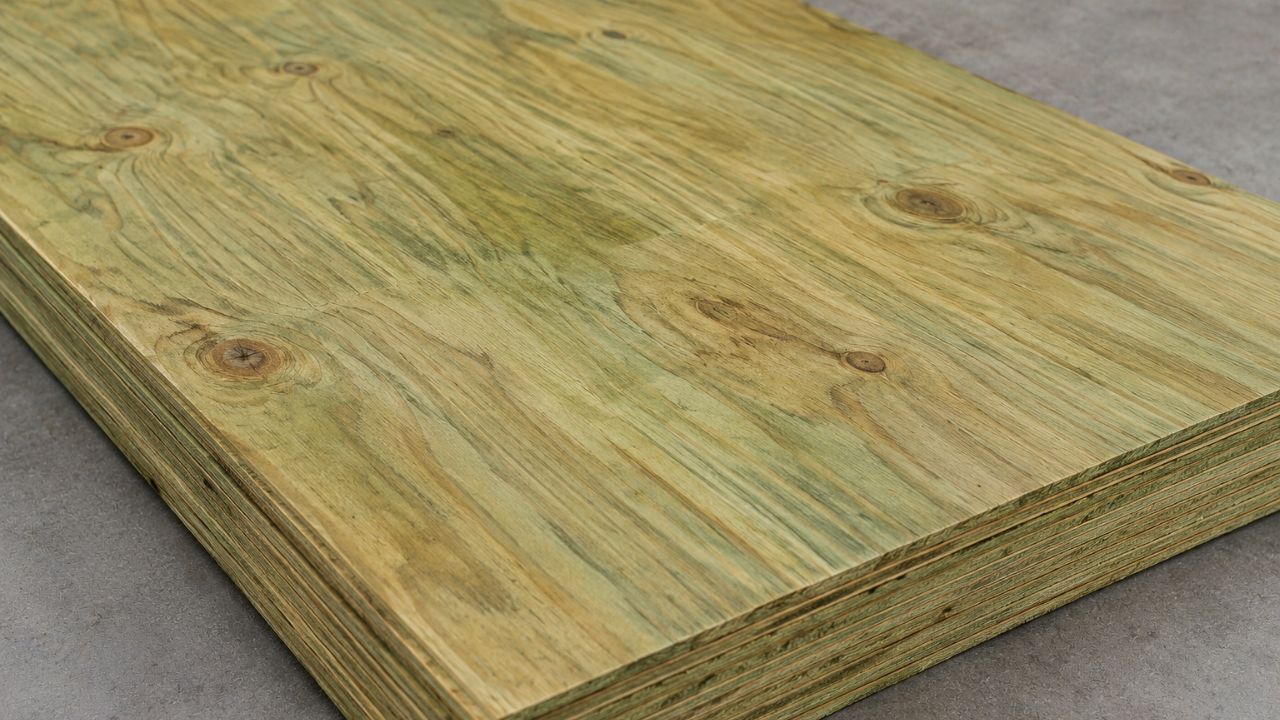
If you have ever walked through a construction site or browsed the plywood aisle at a lumberyard, you have probably seen sheets marked “CDX.” It is one of the most common types of plywood used in residential construction, especially for roofs, walls, and subfloors.
But what exactly does CDX mean—and is it the right plywood for your project?
Understanding the Name “CDX”
The letters in CDX refer to the plywood’s face grades and adhesive type.
- C indicates the grade of one face veneer. It may have knots, patches, splits, and other visible imperfections.
- D indicates the grade of the opposite face veneer. This side is rougher and can contain more flaws than the C face.
- X means the panels are bonded with exterior-rated glue, designed to withstand occasional moisture exposure during construction.
In simple terms, CDX plywood is a structural, utility-grade plywood with one somewhat better face and one rougher face. It is made for strength and economy—not for a polished, furniture-quality appearance.
What Is CDX Plywood Used For?
CDX plywood is most often used in places where it will be covered by another material. Common applications include:
- Roof sheathing beneath shingles or other roofing
- Wall sheathing beneath siding or exterior finishes
- Subflooring beneath carpet, hardwood, vinyl, or tile underlayment
- Temporary construction barriers and bracing
- Utility shelves, workshop projects, and basic storage structures
- Crates, forms, and other non-finish applications
Because it is strong, widely available, and relatively affordable, CDX is a workhorse material in framing and general construction.
Is CDX Plywood Waterproof?
This is the detail that causes the most confusion.
CDX plywood uses exterior-grade adhesive, so the glue holding its layers together is more resistant to moisture than interior-only plywood. That does not mean the plywood itself is waterproof or intended for permanent exposure to rain and weather.
The wood veneers can still absorb water, swell, stain, warp, or deteriorate over time. If CDX is used outdoors, it should be properly protected with roofing, siding, paint, sealant, or another suitable exterior finish.
Think of the “X” as meaning it can tolerate a wet construction phase—not that it can live outdoors unprotected forever.
CDX vs. Other Types of Plywood
CDX is often compared with several other plywood categories. The best choice depends on where the plywood will be installed and whether it will remain visible.
| Type | Best For | Appearance | Moisture Resistance |
|---|---|---|---|
| CDX plywood | Sheathing and subfloors | Rough | Exterior-rated glue; needs protection |
| Sanded plywood | Cabinets, painted projects, visible surfaces | Smooth | Varies by product |
| Marine plywood | Boats and demanding wet environments | Higher quality | Excellent, when properly finished |
| Pressure-treated plywood | Ground-contact or exposed exterior projects | Rough | Treated for decay resistance |
| OSB | Sheathing and subflooring | Rough | Varies; edges can swell with prolonged moisture |
For a wall or roof that will be covered, CDX is usually a practical choice. For cabinets, furniture, or projects with a visible surface, sanded plywood is usually a better fit.
Which Side Should Face Out?
Since CDX has a C face and a D face, installers typically place the C-grade side outward when one side may be more visible or when a smoother surface is helpful. The D side is generally placed toward the framing or concealed side.
That said, always follow the project’s installation requirements. For roof and wall sheathing, structural performance, proper fastener spacing, panel orientation, and expansion gaps matter far more than which face looks better.
Common CDX Plywood Thicknesses
CDX plywood is sold in several thicknesses. The right option depends on the framing spacing, load requirements, local building code, and intended use.
Common sizes include:
- 1/2 inch: Light-duty sheathing or applications with close framing spacing
- 5/8 inch: Frequently used for roof sheathing
- 3/4 inch: Common for stronger subfloors and heavier-duty uses
Do not select thickness based on guesswork alone. Roof, wall, and floor systems should meet local code requirements and the specifications for your framing layout.
Advantages of CDX Plywood
CDX remains popular for good reasons:
- It is generally less expensive than finish-grade plywood.
- It provides solid structural strength.
- It is easy to find in standard sheet sizes.
- Its exterior-rated glue makes it suitable for many construction environments.
- It works well where the panel will be covered by flooring, siding, or roofing.
For many practical building jobs, paying extra for a perfectly smooth plywood face simply does not add value.
Limitations to Keep in Mind
CDX is not a universal plywood solution. Its rough faces and visible defects make it a poor choice for fine woodworking, cabinetry, or decorative projects. It can also splinter more easily than sanded panels.
Most importantly, CDX should not be mistaken for fully weatherproof plywood. Prolonged exposure to moisture can still damage it, even though its adhesive is rated for exterior use.
The Bottom Line
CDX plywood is a structural, construction-grade panel made with C- and D-grade veneer faces and exterior-rated adhesive. It is designed for practical jobs such as roof decking, wall sheathing, and subfloors—areas where strength matters more than appearance.
If your plywood will be hidden behind shingles, siding, or finished flooring, CDX is often an economical and reliable choice. If it will stay visible, be exposed to weather, or need a smooth finish, choose a more suitable specialty plywood instead.