African blackwood is one of the most expensive and sought-after hardwoods in the world. If you are shopping for it for woodworking, woodturning, knife handles, or musical instruments, the price can feel surprising at first.
The short answer: small African blackwood blanks often cost $5 to $25, while larger, clean, instrument-grade pieces can cost $50 to well over $100 each. When sold as lumber, premium stock may reach roughly $80 to $150+ per board foot, depending on size, quality, origin, and availability.
The reason for the wide range is simple: African blackwood is rarely sold like ordinary lumber.
Why Is African Blackwood So Expensive?
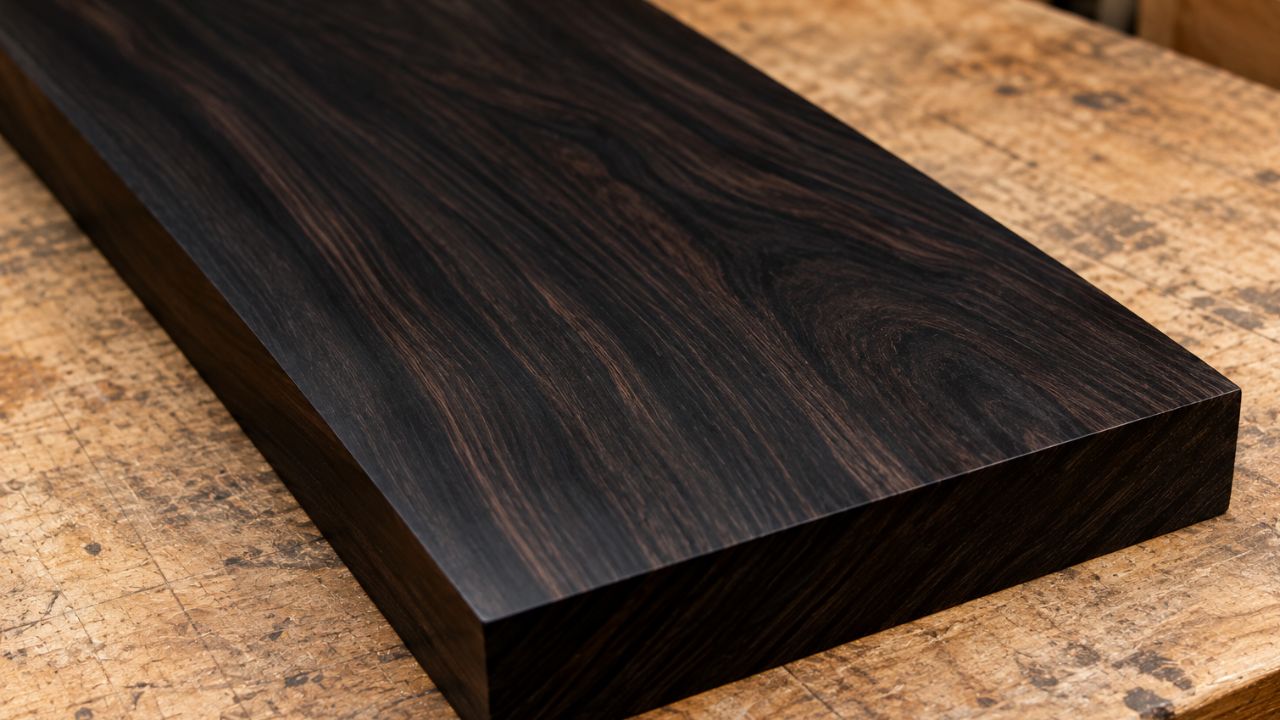
African blackwood, scientifically known as Dalbergia melanoxylon, is prized for its deep dark color, remarkable density, fine texture, and ability to take a very smooth polish. It is especially valued in the manufacture of clarinets, oboes, bagpipes, flute components, high-end knife handles, fine pens, and small turned objects.
However, the trees grow slowly and do not usually yield large, clear boards. Much of the usable wood is recovered in small sections, and defects, cracks, sapwood, or irregular grain can greatly reduce the amount of premium heartwood available from a log.
That means buyers are paying for more than the wood itself. They are also paying for careful selection, drying, grading, shipping, and the waste involved in producing a clean blank.
Typical African Blackwood Prices
The best way to estimate African blackwood costs is by product type rather than by one universal price.
| Product Type | Typical Price Range |
|---|---|
| Small pen blank | $5–$12 |
| Small turning or handle blank | $12–$30 |
| Premium spindle blank | $30–$75+ |
| Large turning blank or instrument blank | $75–$200+ |
| High-grade lumber | About $80–$150+ per board foot |
These are practical retail estimates, not fixed market rates. Prices change often based on the supplier, the blank’s dimensions, grade, dryness, and the percentage of dark heartwood.
For example, current retail listings show a 7/8-inch by 7/8-inch by 5-inch African blackwood pen blank at around $4, while a clear 1 1/2-inch by 1 1/2-inch by 18-inch turning blank can sell for about $59. A longer premium blank may cost $75 or more. Got Wood?, Bell Forest Products, and Blue Spruce Toolworks are useful examples of how much size and grade affect the final price.
What Affects the Price of African Blackwood?
Size and dimensions
A small pen blank requires far less defect-free material than a long, thick blank for a musical instrument or a turning project. Larger pieces are harder to source, so their price rises quickly.
A 1-inch-square blank may be affordable, but a 3-inch-square block or a long, straight instrument blank can be dramatically more expensive.
Heartwood percentage
The dark heartwood is the prized part of African blackwood. Pieces with rich black-to-purple coloring, little pale sapwood, and an even appearance generally command the highest prices.
A blank with streaking, sapwood, checks, or small flaws may still be useful—and much less expensive—but it may not suit a high-end finished project.
Grade and defects
Clear, kiln-dried, crack-free stock costs more because it reduces waste and risk for the buyer. Lower-grade blanks can be a smart value for practice, small handles, segmented work, or projects where minor flaws can be cut away.
For a clarinet, knife scale set, or premium pen, paying for better material may be worthwhile. For a first turning project, a lower-grade blank can make more sense.
Supplier and sourcing
African blackwood is an imported specialty wood, and it is not stocked by every lumberyard. Shipping, documentation, processing, and limited supply all contribute to the retail cost.
Two pieces with similar dimensions may have very different prices because one seller is offering ordinary turning stock while another is offering carefully selected instrument-grade material.
Is African Blackwood Worth the Cost?
For the right project, absolutely. African blackwood is exceptionally dense, stable when properly dried, and capable of a beautiful natural sheen. Its dark color and fine grain give small projects a luxurious, almost ebony-like appearance.
It is also demanding to work with. The wood is extremely hard and can dull cutting tools, while its density can make machining slower than with more common hardwoods. Beginners may prefer to buy a small blank first before committing to a costly larger piece.
African blackwood is often a better choice for smaller, special projects than for large furniture. Its price and limited availability make it ideal for accents, handles, pens, small turned objects, instrument parts, and heirloom details.
How to Buy African Blackwood Smartly
Before buying, check the exact dimensions rather than relying on a product photo. A blank that appears inexpensive may be very small, while a larger blank may actually offer better value for the project you have in mind.
Look for these details:
- Exact width, thickness, and length
- Whether the wood is kiln dried
- Whether defects, checks, or sapwood are present
- Whether the listing identifies the amount of heartwood
- Whether the piece is intended for turning, carving, knife scales, or instrument work
- Shipping cost, especially for international orders
If appearance matters, buy from a seller that photographs the actual piece or clearly states its grade. African blackwood varies naturally, and the darkest, cleanest pieces are rarely the cheapest.
Final Thoughts
African blackwood is expensive because it is rare in useful sizes, difficult to process, and highly valued for fine craftsmanship. A small piece may cost only a few dollars, but premium blanks and instrument-grade stock can quickly reach $100 or more.
For most buyers, the best approach is to choose the smallest high-quality piece that comfortably fits the project. You will get the beauty and performance African blackwood is known for without paying for more material than you can use.