
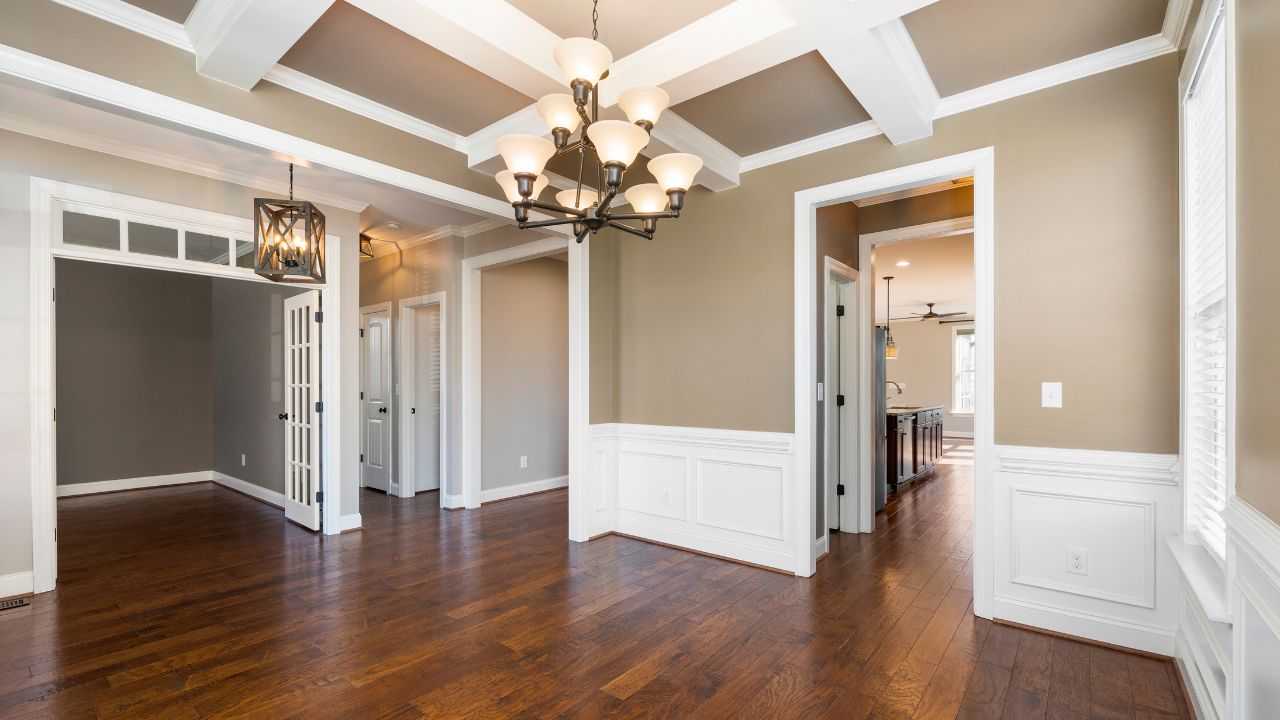
Massaranduba wood flooring is a popular choice for homeowners who want a hard, durable, and naturally attractive hardwood floor. Its rich reddish-brown color, high density, and resistance to wear make it suitable for areas that receive regular foot traffic.
Massaranduba comes from trees in the Manilkara genus and is commonly associated with Manilkara bidentata. It is also known by names such as Brazilian Redwood and Bulletwood.
The main reason to consider Massaranduba for flooring is its exceptional hardness and durability. However, this same hardness can make the wood more difficult to cut, nail, and install than softer flooring species.
Massaranduba Wood Flooring Properties
| Property | Massaranduba Flooring |
|---|---|
| Wood type | Tropical hardwood |
| Color | Reddish-brown to dark red-brown |
| Grain | Straight to slightly interlocked |
| Texture | Fine and uniform |
| Janka hardness | About 3,190 lbf |
| Density | Around 1,000 kg/m³ |
| Durability | Very high |
| Wear resistance | Excellent |
| Workability | Difficult |
| Typical finish | Oil, stain, or clear finish |
The exact values can vary depending on the species, source, moisture content, and lumber grade.
Why Choose Massaranduba for Flooring?
Flooring needs to withstand repeated foot traffic, furniture movement, impacts, dirt, and everyday wear.
Massaranduba’s high hardness makes it well suited to these conditions. With a Janka hardness of around 3,190 lbf, it is significantly harder than many commonly used domestic flooring woods.
This means it can resist dents and surface wear well when properly installed and maintained.
Advantages of Massaranduba Wood Flooring
1. Extremely Hard
Hardness is one of Massaranduba’s biggest advantages as a flooring material.
Its high Janka hardness helps the floor resist dents caused by furniture, foot traffic, and everyday impacts.
2. Excellent Durability
Massaranduba is naturally durable and has strong resistance to decay.
Although indoor flooring is normally protected from severe moisture exposure, its natural durability provides an additional advantage in areas where occasional moisture may occur.
3. Attractive Reddish-Brown Color
Massaranduba has a naturally rich color ranging from reddish to dark reddish-brown.
The wood can provide a warm appearance without requiring a heavy stain.
Over time, exposure to light can cause the color to become darker or change depending on the finish and environment.
4. Good Wear Resistance
Because Massaranduba is very hard and dense, it is suitable for floors that receive heavy daily use.
It can be a good choice for:
- Living rooms
- Hallways
- Dining rooms
- Offices
- Commercial interiors
- Other high-traffic areas
5. Long Service Potential
A properly installed and maintained Massaranduba floor can provide a long service life.
The actual lifespan depends on the flooring grade, installation method, indoor humidity, finish, cleaning routine, and level of traffic.
6. Fine, Attractive Texture
Massaranduba generally has a fine texture and attractive natural grain.
A clear finish can highlight the wood’s natural color and grain.
Disadvantages of Massaranduba Wood Flooring
1. Difficult to Install
Massaranduba is extremely hard, which can make installation more difficult than installing softer flooring species.
Cutting, drilling, and fastening may require sharp, high-quality tools.
2. Pre-Drilling May Be Required
When using nails or screws, pre-drilling can be necessary because of the wood’s high density.
This can increase installation time.
3. Heavy
Massaranduba is a dense hardwood and is significantly heavier than many common flooring woods.
This can make transportation and handling more difficult.
4. Higher Cost
Massaranduba is generally more expensive than common domestic softwood flooring.
The final cost depends on:
- Grade
- Board width
- Board thickness
- Finish
- Supplier
- Location
- Installation method
5. Color Changes Over Time
The reddish-brown color of new Massaranduba can change with exposure to light.
If maintaining the original appearance is important, choose a suitable finish and follow the manufacturer’s maintenance recommendations.
6. Moisture Movement
Like all wood flooring, Massaranduba responds to changes in moisture and humidity.
Proper acclimation and installation are therefore important to reduce the risk of excessive movement, gaps, or other flooring problems.
Is Massaranduba Good for Indoor Flooring?
Yes. Massaranduba can be an excellent choice for indoor flooring.
Its high hardness makes it particularly suitable for areas where the floor receives heavy traffic.
However, the floor should be installed in an environment where indoor humidity is reasonably controlled. Sudden or extreme changes in moisture can cause wood flooring to expand or contract.
Is Massaranduba Good for High-Traffic Areas?
Yes.
Its high Janka hardness provides good resistance to dents and wear, making it suitable for areas with frequent foot traffic.
It can be considered for:
- Hallways
- Living rooms
- Entryways
- Commercial spaces
- Offices
- Retail interiors
However, no hardwood floor is completely scratch-proof. Dirt, sand, furniture movement, and sharp objects can still damage the finish and surface.
Massaranduba Flooring vs Ipe Flooring
Ipe and Massaranduba are both extremely hard tropical hardwoods.
| Feature | Massaranduba | Ipe |
|---|---|---|
| Janka hardness | ~3,190 lbf | ~3,680 lbf |
| Density | ~1,000 kg/m³ | ~1,050 kg/m³ |
| Durability | Very high | Very high |
| Color | Reddish-brown | Brown to dark brown |
| Workability | Difficult | Very difficult |
| Wear resistance | Excellent | Excellent |
| Indoor flooring | Excellent | Excellent |
Ipe is generally harder, but Massaranduba still provides excellent hardness and durability.
For indoor flooring, appearance, price, availability, and installation requirements may be more important than the relatively small difference in hardness.
Massaranduba Flooring vs Cumaru Flooring
Cumaru is another popular tropical hardwood used for flooring.
Both Massaranduba and Cumaru are very hard and durable.
| Feature | Massaranduba | Cumaru |
|---|---|---|
| Hardness | Very high | Very high |
| Durability | Very high | Very high |
| Color | Reddish-brown | Golden-brown to reddish-brown |
| Density | Very high | Very high |
| Workability | Difficult | Difficult |
| Flooring use | Excellent | Excellent |
The choice often comes down to the desired color, board availability, price, and supplier quality.
Is Massaranduba Flooring Scratch Resistant?
Massaranduba is highly resistant to dents and wear, but it is not completely scratch-proof.
Its hardness protects the wood against many everyday impacts, but sharp objects, abrasive dirt, pet claws, and moving furniture can still scratch the finish or surface.
Using furniture pads and keeping abrasive dirt off the floor can help reduce scratches.
How to Maintain Massaranduba Wood Flooring
Massaranduba does not require complicated maintenance, but regular care helps preserve its appearance.
Regular Cleaning
Sweep or vacuum regularly to remove dust, sand, and other abrasive particles.
Use a wood-floor cleaning product recommended for the particular finish.
Avoid Excess Water
Do not leave standing water on the floor.
Clean spills promptly to reduce the possibility of moisture entering joints or affecting the finish.
Protect the Surface
Use protective pads underneath furniture legs.
Avoid dragging heavy furniture directly across the floor.
Refinish When Necessary
Over time, the finish can become worn, especially in high-traffic areas.
Depending on the flooring construction and finish, sanding and refinishing may restore the appearance.
Always follow the flooring manufacturer’s recommendations before sanding or refinishing.
Does Massaranduba Flooring Need a Finish?
A suitable finish is generally recommended for indoor hardwood flooring.
A finish can:
- Protect the surface
- Improve stain resistance
- Enhance the natural color
- Make cleaning easier
- Reduce surface wear
The best finish depends on the desired appearance, flooring construction, and manufacturer’s recommendations.
Is Massaranduba Flooring Waterproof?
No.
Massaranduba is naturally durable and resistant to decay, but it is still wood and can absorb moisture.
For indoor flooring, controlling humidity and cleaning spills quickly are more important than treating the wood as waterproof.
Massaranduba should not be selected simply because it is highly durable and then exposed to standing water.
How Much Does Massaranduba Flooring Cost?
The price of Massaranduba flooring varies by market and product.
Important factors include:
- Lumber grade
- Thickness
- Width
- Board length
- Finished or unfinished boards
- Supplier
- Shipping
- Installation labor
Instead of relying on a fixed price per square foot, compare current prices for flooring with the same dimensions, grade, finish, and installation requirements.
Remember that the total flooring cost includes more than the wood itself.
Is Massaranduba Flooring Worth It?
Massaranduba flooring can be worth the investment if you want a very hard, durable, and distinctive hardwood floor.
It is particularly attractive for homeowners who want:
- High wear resistance
- Long service potential
- Natural reddish-brown color
- A premium tropical hardwood
- A floor suitable for heavy traffic
However, it may not be ideal if you want the easiest installation or the lowest initial cost.
Frequently Asked Questions
Is Massaranduba good for flooring?
Yes. Massaranduba is extremely hard and durable, making it suitable for indoor flooring, including areas with heavy foot traffic.
Is Massaranduba harder than oak?
Yes. Massaranduba is considerably harder than most commonly used oak flooring. Massaranduba is around 3,190 lbf on the Janka hardness scale, while Red Oak is commonly around 1,290 lbf.
Does Massaranduba flooring scratch?
It is highly resistant to dents and wear, but it can still scratch. Dirt, sand, furniture, and sharp objects can damage the surface or finish.
Does Massaranduba flooring change color?
Yes. Its reddish-brown color can change with exposure to light and the environment. The exact change depends on the wood, finish, and exposure conditions.
Is Massaranduba flooring expensive?
It is generally more expensive than common softwood flooring and some domestic hardwoods. Actual prices vary by grade, dimensions, location, supplier, and installation.
Is Massaranduba flooring easy to install?
No. Its high density and hardness can make cutting and fastening more difficult than with softer flooring species.
Does Massaranduba need to be sealed?
A suitable finish is generally recommended for indoor flooring to protect the surface and improve stain and wear resistance.
Is Massaranduba better than Ipe for flooring?
Neither is automatically better. Ipe is generally harder, while Massaranduba can offer excellent durability and a distinctive reddish-brown appearance. Price and availability can also influence the choice.
Final Thoughts
Massaranduba wood flooring is an excellent option for people who want a hard, durable, and attractive tropical hardwood floor.
Its exceptional hardness provides excellent resistance to dents and everyday wear, while its natural reddish-brown color gives interiors a warm and distinctive appearance.
The main disadvantages are its high density, weight, difficult installation, and relatively high cost. Proper acclimation, installation, humidity control, and regular maintenance are important for achieving the best long-term performance.
If durability and wear resistance are your priorities, Massaranduba is a hardwood flooring option worth considering.