
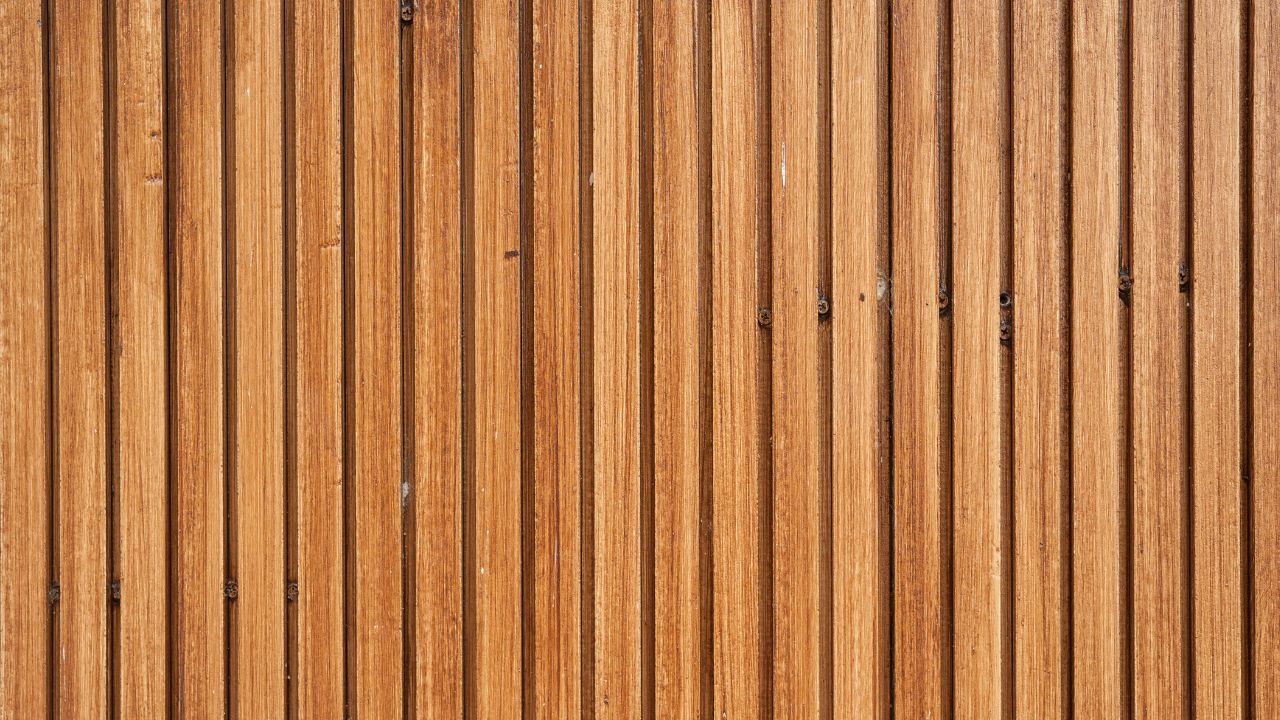
Wood paneling is usually more expensive than drywall when both are professionally installed. However, inexpensive sheet paneling can sometimes cost less for a small DIY renovation, especially when it covers a sound existing wall and needs no painting.
The answer depends on what you mean by “wood paneling.” Basic decorative sheets, solid pine boards, hardwood veneer, and custom raised panels have very different prices.
To make a fair comparison, include installation, surface preparation, trim, and finishing—not just the price of the panels.
Wood Paneling vs. Drywall: The Main Difference
Drywall is a gypsum panel used to form interior walls and ceilings. For a typical painted wall, its joints and fasteners are finished with tape and joint compound before sanding, priming, and painting.
Wood paneling is a decorative covering supplied as sheets, boards, or assembled panels. Products may contain solid wood, plywood, MDF, hardboard, or a combination of materials.
Some have a real wood veneer; others use a printed wood-look surface. A low-priced “oak panel” is not necessarily solid oak.
Paneling is also frequently installed over drywall, so the two materials are not always alternatives.
How Much Do Wood Paneling and Drywall Cost?
For initial U.S. budgeting, published cost guides give the following broad installation ranges:
| Wall treatment | Approximate cost per square foot |
|---|---|
| Standard drywall installation | $1.50–$3 |
| Decorative beadboard, wood or MDF | $6–$15 |
| Shiplap, wood or MDF | $7–$16 |
| Tongue-and-groove paneling, wood or MDF | $8–$18 |
| Raised paneling, wood or composite | $15–$25 |
The drywall range comes from Angi’s drywall installation guide, while the decorative paneling figures come from its wall paneling cost guide.
These are broad planning figures, not equivalent finished-room quotes. Confirm the drywall finish level and whether painting, panel finishing, backing, trim, demolition, and repairs are included. Basic DIY sheet paneling can fall below the decorative installation ranges.
Measure wall surface area, not floor area. A 12-foot-wide wall with an 8-foot ceiling has 96 square feet before deducting openings. A room with 120 square feet of floor space may have several hundred square feet of wall surface.
Why Drywall Is Usually Cheaper
Lower Material Cost
Standard gypsum board is generally economical for covering large areas. Solid wood boards and decorative assemblies usually cost more for the same coverage.
Premium hardwoods, selected grain, and factory finishes increase the difference further.
Efficient Installation Across Large Areas
A drywall crew can cover straightforward rooms efficiently. Although joint finishing involves several stages, the process suits large projects with repeated wall layouts.
Decorative paneling can require more individual cuts, careful alignment, and detailed work around corners and openings.
A Simple Finished Appearance
A plain painted wall needs fewer decorative components than a raised-panel design with rails, stiles, caps, and moldings.
The more elaborate the paneling, the less useful a material-only comparison becomes.
When Can Wood Paneling Be Cheaper?
You Are Installing Basic Sheets Yourself
Large decorative sheets cover substantial areas with relatively few pieces. If you already have the tools and installation skills, you can avoid hired labor.
That may make DIY paneling cheaper than professionally finished drywall. However, comparing DIY paneling with DIY drywall may produce a different result.
The Existing Wall Is Sound but Unattractive
Paneling may cover cosmetic imperfections without requiring a completely smooth painted surface underneath.
This can be useful when the alternative involves extensive surface refinishing. However, the backing still needs to meet the panel manufacturer’s requirements.
Do not cover dampness, loose material, or unresolved damage simply to avoid repairs.
The Panels Are Prefinished
Factory-finished sheets or boards may eliminate on-site staining or painting.
Compare their complete installed price with drywall that includes the finish you actually want. A quote for unfinished drywall is not equivalent to a ready-to-use decorative wall.
You Are Covering a Small Accent Wall
Minimum labor charges and repeated finishing visits can make small drywall jobs relatively expensive per square foot.
A straightforward paneling project may be competitive in this situation, particularly if you complete it yourself.
Different Types of Paneling Have Different Costs
Decorative Sheet Paneling
These products commonly use plywood, MDF, or hardboard. They may have grooves, a real wood veneer, or a printed decorative face.
They are worth considering for budget projects, but check thickness, backing requirements, and edge details before buying.
Solid Wood Boards
Pine and other softwood boards can provide a natural appearance at a lower cost than many premium hardwood options.
Nevertheless, individual boards require layout, cutting, fastening, and allowances for movement. Unfinished boards also need whatever finish the project requires.
Hardwood Veneer Panels
Veneer provides a real wood face over a manufactured core. It can be more economical than solid hardwood, but species, veneer quality, matching, and panel construction affect the price.
Custom Raised Panels and Detailed Wainscoting
These installations involve more components and skilled labor. They are normally chosen for their appearance rather than as a low-cost replacement for drywall.
Wainscoting also covers only part of the wall, so include the cost of finishing the area above it.
Do You Need Drywall Behind Wood Paneling?
Sometimes, yes. Check before treating paneling as a direct replacement.
Certain products are designed for attachment to studs or battens. Others require a continuous, sound backing such as drywall or plywood.
There may also be requirements for the complete wall assembly, particularly where fire resistance is involved. Decorative wood paneling should not be assumed to replace a required gypsum layer.
Ask the installer to confirm:
- The panel manufacturer’s approved backing and fastening method.
- Whether existing drywall must remain.
- Whether additional backing or battens are needed.
- Any applicable requirements for the wall assembly.
If drywall is required underneath, the project cost becomes drywall plus paneling, even if the concealed drywall does not need the same cosmetic finish as an exposed painted wall.
Hidden Costs That Can Change the Comparison
Trim and Edge Finishing
Panel edges, corners, doorways, and window openings may need moldings or finishing strips. These small components can add up across a room.
Changes to Wall Thickness
Installing paneling over an existing wall moves the finished surface outward. Baseboards, window trim, door jambs, and electrical boxes may need adjustments.
Include those changes in the quote rather than discovering them during installation.
Surface Preparation
Uneven walls may require leveling or a supporting framework. Paneling does not automatically conceal every wall problem, particularly when its joints must line up precisely.
Waste and Layout
Board lengths, panel widths, grain matching, and repeated patterns affect how much material you need.
Use the product’s actual coverage dimensions. Tongue-and-groove boards, for example, may cover less width than their overall measured width.
Finishing
Unfinished paneling may require sanding, filling fastener holes, staining, painting, or clear coating.
Drywall also needs an agreed finishing standard. A highly smooth wall under strong side lighting can require more preparation than a basic textured surface.
Which Is Cheaper to Maintain and Repair?
Drywall is usually straightforward to patch and repaint after minor damage. Matching an existing texture or paint finish can still require work beyond the damaged area.
Paneling repairs depend on the material. Solid wood may allow localized refinishing, while thin veneer and printed finishes offer less room for sanding. Replacing a panel can be difficult if the original product is discontinued.
Neither option is automatically suitable for a damp room. Select products approved for the conditions and resolve moisture problems before installation.
How to Compare Quotes Fairly
Ask for both options to cover the same wall area and reach a clearly defined finished condition.
Your quote should specify:
- Materials: Exact drywall type or panel product.
- Backing: Existing surfaces retained and any new support required.
- Installation: Fasteners, adhesive, joint treatment, and labor.
- Finishing: Paint, stain, clear coating, and trim.
- Additional work: Removal, disposal, repairs, and fixture adjustments.
For an economical whole-room finish, drywall is usually the stronger starting point. If you want wood’s appearance without paneling every surface, combine painted drywall with one accent wall or a limited section of wainscoting.
Frequently Asked Questions
Is Plywood Paneling Cheaper Than Drywall?
It can be competitive in some DIY projects, but decorative plywood often costs more than basic gypsum board. Compare backing, finishing, and installation costs as well as sheet prices.
Is Shiplap Cheaper Than Drywall?
Professionally installed shiplap usually costs more than standard drywall. The difference depends on the board material, finishing, layout, and whether drywall remains underneath.
Can You Install Paneling Directly Over Drywall?
Often, yes, if the drywall is sound and the panel manufacturer permits it. Follow the specified preparation and attachment method.
Is Painting Existing Paneling Cheaper Than Replacing It With Drywall?
Often, provided the paneling is sound and suitable for painting. Cleaning, adhesion preparation, priming, and finish coats still matter, but retaining the existing material can avoid demolition and replacement costs.
What Is the Cheapest Option for an Accent Wall?
Painting the existing wall is often the least expensive approach. If you specifically want paneling, compare basic decorative sheets and simple designs before considering solid hardwood or custom carpentry.