
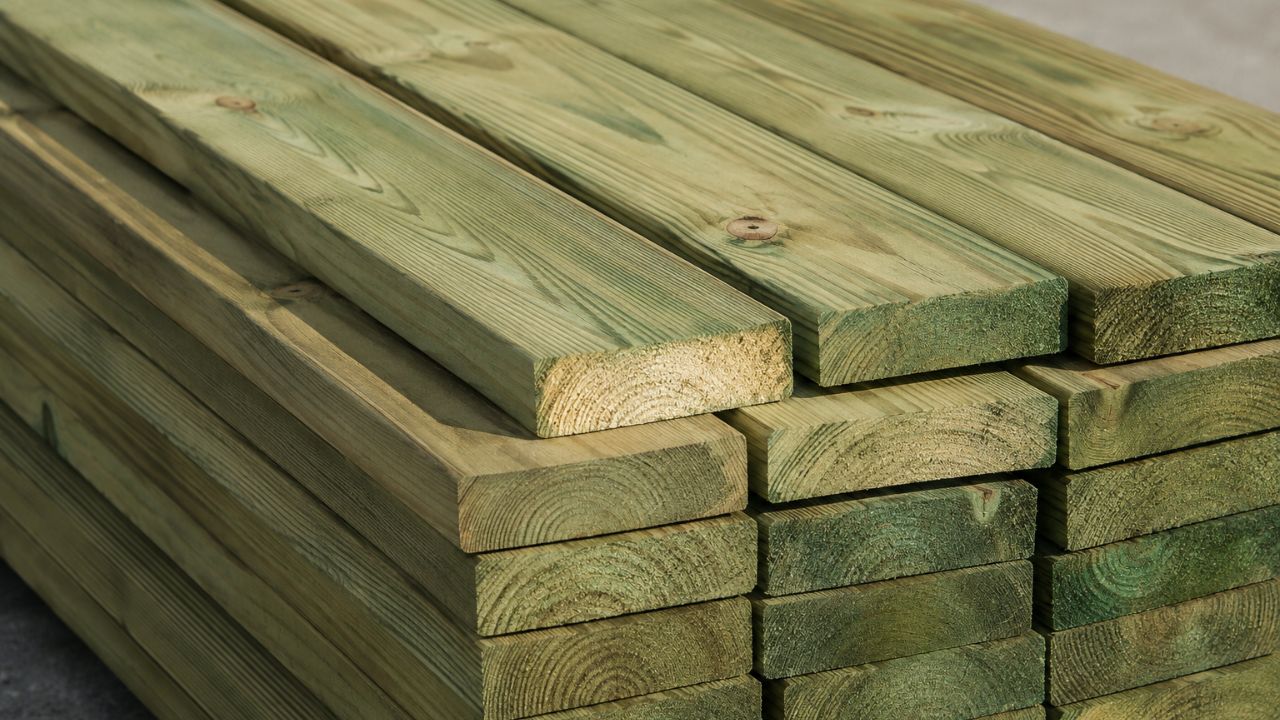
Pressure-treated wood is one of the most popular choices for outdoor construction because it is treated with preservatives that help protect the wood against decay, fungi, and insects. It is commonly used for decks, fences, posts, stairs, garden structures, and outdoor framing.
But how much is pressure treated wood?
Pressure-treated lumber typically costs around $2 to $5 per square foot for decking boards, while individual boards can cost anywhere from a few dollars to more than $25 depending on their size, grade, treatment level, and intended use. Current retail examples include 2×4 pressure-treated boards for around $4–$5 and larger 2×6 or 2×8 boards for roughly $10–$27, depending on length and grade.
The total cost can be much higher when pressure-treated wood is used for a complete project because you also need to account for framing, posts, fasteners, labor, site preparation, and other materials.
How Much Does Pressure-Treated Wood Cost?
The price of pressure-treated wood depends primarily on the board’s dimensions, grade, treatment level, wood species, and intended application.
As a general guide:
| Pressure-Treated Wood | Approximate Cost |
|---|---|
| Small 2×4 boards | $4–$10 each |
| 2×6 boards | $7–$20+ each |
| 2×8 boards | $12–$27+ each |
| 4×4 posts | $10–$20+ each |
| 5/4×6 decking boards | $8–$20+ each |
| Pressure-treated decking | $2–$5/sq. ft. |
| Pressure-treated deck, installed | $25–$50/sq. ft. |
These are broad estimates. Retail prices vary by location, lumber dimensions, treatment level, grade, and supplier. For example, current Home Depot listings show pressure-treated 2×4 lumber around $4.58–$4.88 for 8-foot boards and 4×4×8-foot ground-contact posts around $10.78, while longer 2×6 and 2×8 boards cost considerably more.
How Much Is Pressure-Treated Wood Per Square Foot?
If you are building a deck, pressure-treated wood is often priced by the square foot.
Pressure-treated decking boards generally cost approximately $2 to $5 per square foot for the boards alone.
This does not include:
- Labor
- Deck framing
- Posts
- Footings
- Fasteners
- Railings
- Stairs
- Permits
- Site preparation
- Demolition
- Finishing or sealing
Once labor and other construction costs are included, a complete pressure-treated deck can cost considerably more.
Current cost estimates put a professionally installed pressure-treated deck at approximately $25–$50 per square foot, depending on size, design, site conditions, and location.
How Much Does Pressure-Treated Wood Cost Per Board?
Pressure-treated lumber is sold in many different dimensions, so there isn’t one fixed price per board.
For example, current retail listings show:
| Board Size | Example Price |
|---|---|
| 2×4×8 ft | About $4.58–$4.88 |
| 2×6×8 ft | About $9.48 |
| 2×6×10 ft | About $12.08 |
| 2×6×12 ft | About $13.98 |
| 2×6×16 ft | About $19.28 |
| 2×8×16 ft | About $26.68 |
| 4×4×8 ft post | About $10.78 |
| 5/4×6×16 ft decking | About $14.88 |
These are examples of current retail prices and can change based on location, availability, quantity, and product specifications.
Longer and thicker boards contain more wood, so they naturally cost more.
How Much Is Pressure-Treated Wood Per Linear Foot?
Some pressure-treated lumber, particularly decking, is easier to compare by linear foot.
For example, a 5/4×6×16-foot pressure-treated decking board listed at $14.88 works out to approximately:
$14.88 ÷ 16 = $0.93 per linear foot
A premium version of the same size listed at $20.28 works out to approximately:
$20.28 ÷ 16 = $1.27 per linear foot
These examples show why the price per linear foot can be useful when comparing boards of the same dimensions.
How Much Does Pressure-Treated Wood Cost for a Deck?
Pressure-treated lumber is one of the more affordable materials for building a wood deck.
The decking boards themselves generally cost about $2–$5 per square foot, while a complete professionally installed pressure-treated deck can cost approximately $25–$50 per square foot.
For example:
| Deck Size | Decking Boards Only | Installed Deck |
|---|---|---|
| 100 sq. ft. | $200–$500 | $2,500–$5,000 |
| 200 sq. ft. | $400–$1,000 | $5,000–$10,000 |
| 300 sq. ft. | $600–$1,500 | $7,500–$15,000 |
| 500 sq. ft. | $1,000–$2,500 | $12,500–$25,000 |
| 1,000 sq. ft. | $2,000–$5,000 | $25,000–$50,000 |
The installed figures include considerably more than the surface boards. They can include framing, posts, labor, fasteners, site preparation, and other components depending on the project.
How Much Does a 12×12 Pressure-Treated Deck Cost?
A 12×12 deck has:
12 × 12 = 144 square feet
At approximately $25–$50 per square foot installed, a 144-square-foot pressure-treated deck could cost roughly:
$3,600–$7,200
This is a general planning range. A simple ground-level deck may cost less than a raised deck with stairs and railings, while complicated designs and difficult site conditions can increase the price.
How Much Does Pressure-Treated Wood Cost for a Fence?
Pressure-treated wood is also widely used for fence posts, rails, and pickets.
The total price of a pressure-treated fence depends on:
- Fence height
- Fence length
- Board dimensions
- Post spacing
- Wood grade
- Ground-contact requirements
- Number of gates
- Site conditions
- Labor
The lumber for a basic fence can be relatively inexpensive, but posts and installation can add substantially to the total cost.
For fence posts, it is especially important to choose lumber that is rated for the intended exposure. Ground-contact lumber is designed for applications where the wood touches or is near soil.
Pressure-Treated Wood for Ground Contact
Not all pressure-treated lumber is designed for the same conditions.
This is one of the most important things to understand before buying pressure-treated wood.
Above-Ground Pressure-Treated Wood
Above-ground treated lumber is intended for applications where the wood remains above the ground and has adequate drainage and exposure conditions.
It is commonly used for:
- Deck boards
- Railings
- Some above-ground framing
- Outdoor structures
Ground-Contact Pressure-Treated Wood
Ground-contact lumber is treated to provide greater protection where the wood is exposed to soil or conditions that can retain moisture.
It is commonly used for:
- Deck posts
- Fence posts
- Ground-level framing
- Landscape timbers
- Structural components close to soil
Current retail products are specifically labeled for ground contact, and product specifications should be checked before installation.
Using the correct treatment category can be more important than simply choosing the cheapest pressure-treated board.
Why Does Ground-Contact Pressure-Treated Wood Cost More?
Ground-contact lumber generally receives a treatment level appropriate for harsher exposure conditions.
Because of the additional treatment requirements, ground-contact products can cost more than comparable above-ground lumber.
For example, current retail listings show ground-contact 2×6 boards and decking products at different prices depending on their grade and treatment specification.
The extra upfront cost can be worthwhile when the lumber will be exposed to soil or persistent moisture.
What Is Pressure-Treated Wood?
Pressure-treated wood is lumber that has been treated with preservative chemicals under pressure.
The process forces preservatives into the wood, improving its resistance to biological deterioration.
Pressure treatment helps protect lumber against:
- Fungal decay
- Rot
- Termites
- Wood-destroying insects
However, pressure treatment does not make wood completely waterproof or maintenance-free. Proper drainage, construction, and maintenance are still important.
Modern pressure-treated lumber is available in different treatment categories and is intended for specific exposure conditions. Lowe’s notes that pressure-treated lumber is treated to resist decay, fungus, and insects and that the appropriate treatment type depends on the intended application.
What Type of Wood Is Used for Pressure Treatment?
Southern Yellow Pine is one of the most common woods used for pressure-treated lumber in the United States.
It is widely available, relatively strong, affordable, and well suited to pressure treatment.
Pressure-treated products can also be made from other wood species depending on the region and manufacturer.
The underlying wood species affects:
- Strength
- Weight
- Appearance
- Cost
- Treatment penetration
- Availability
What Factors Affect Pressure-Treated Wood Prices?
Several factors determine how much pressure-treated wood costs.
1. Board Dimensions
A 2×4×8-foot board contains considerably less wood than a 2×8×16-foot board.
Larger boards therefore cost more.
2. Grade
Higher-grade lumber generally has fewer defects and can cost more than lower-grade material.
3. Treatment Level
Ground-contact and specialty treatment levels can cost more than standard above-ground products.
4. Wood Species
Southern Yellow Pine is commonly used for pressure-treated lumber, but other species and regional products can have different prices.
5. Board Length
Longer boards generally cost more because they contain more material.
6. Availability
Local supply and demand can significantly affect pressure-treated lumber prices.
7. Season
Outdoor construction demand can affect lumber prices during the spring and summer building seasons.
8. Quantity
Some retailers offer bulk discounts when purchasing large quantities.
For example, current Home Depot listings show lower per-unit prices for several pressure-treated products when customers purchase the specified bulk quantities.
Pressure-Treated Wood vs. Cedar Cost
Pressure-treated wood is generally less expensive than cedar for many outdoor applications.
Current decking estimates show pressure-treated decking at approximately $2–$5 per square foot, compared with about $3–$7 per square foot for cedar decking.
| Feature | Pressure-Treated Wood | Cedar |
|---|---|---|
| Material cost | Lower | Higher |
| Rot resistance | Treatment-dependent | Naturally resistant |
| Insect resistance | Treated | Naturally resistant |
| Appearance | Usually green/brown | Natural reddish-brown |
| Maintenance | Requires maintenance | Requires maintenance |
| Availability | Very high | High |
| Common use | Decks, fences, framing | Decks, fences, siding |
If the main priority is affordability, pressure-treated wood is usually the better option.
If appearance and naturally decay-resistant wood are more important, cedar may be worth the additional cost.
Pressure-Treated Wood vs. Composite Decking Cost
Pressure-treated wood is generally much cheaper than composite decking.
Current decking price comparisons put pressure-treated wood around $2–$5 per square foot for boards, while composite decking can cost approximately $12–$22 per square foot for decking boards.
However, composite decking generally requires less routine maintenance than pressure-treated wood.
This means the cheapest material upfront isn’t necessarily the cheapest option over the entire life of the deck.
Does Pressure-Treated Wood Need to Be Sealed?
Pressure-treated wood is resistant to decay and insects, but it can still absorb moisture.
Sealing or staining can help protect the wood from moisture, weathering, and UV exposure.
Current cost guides estimate staining and sealing a pressure-treated deck at approximately $1.50–$4.50 per square foot, including labor and materials.
Before applying a finish, follow the manufacturer’s recommendations and make sure the wood is sufficiently dry for the chosen product.
How Long Does Pressure-Treated Wood Last?
The lifespan of pressure-treated wood depends on its treatment level, exposure, construction quality, climate, and maintenance.
For pressure-treated decking, current estimates commonly place the useful lifespan around 10–25 years, although properly designed and maintained structures can perform for longer.
Ground contact, poor drainage, standing water, and improper installation can significantly shorten the service life.
Is Pressure-Treated Wood Worth the Cost?
Yes, pressure-treated wood can be an excellent value for outdoor construction.
Its biggest advantages are:
- Affordable price
- Wide availability
- Good structural strength
- Resistance to decay
- Resistance to insects
- Suitable for decks and fences
- Easy to cut and install
Its main disadvantages are that it requires maintenance and can develop checking, cracking, warping, and surface weathering over time.
For homeowners who want an affordable outdoor building material, pressure-treated lumber remains one of the most practical choices.
How to Save Money on Pressure-Treated Wood
Compare Local Prices
Check several lumberyards and home improvement stores before purchasing.
Buy Standard Sizes
Standard dimensions are usually easier to find and compare.
Buy in Bulk
If your project requires a large amount of lumber, ask about bulk pricing.
Choose the Correct Grade
Don’t pay for a premium grade if your project doesn’t require it.
Buy the Correct Treatment Level
Don’t use more expensive ground-contact lumber where above-ground lumber is appropriate. However, never use below-spec lumber simply to save money.
Plan Your Cuts
Careful planning can reduce waste.
Create a cutting list before purchasing the lumber.
Final Answer: How Much Is Pressure Treated Wood?
So, how much is pressure treated wood?
Pressure-treated decking boards generally cost about $2–$5 per square foot, while individual pressure-treated boards can range from roughly $4 to $27 or more, depending on their dimensions, grade, treatment level, and length. Current retail examples include 2×4×8-foot boards around $4.58–$4.88 and larger 2×8×16-foot boards around $26.68.
If you’re building a complete pressure-treated deck, the cost is considerably higher. A professionally installed pressure-treated deck can cost approximately $25–$50 per square foot, including materials and labor.
The biggest factors affecting pressure-treated wood prices are board size, wood grade, treatment level, wood species, local availability, and quantity purchased.
For the most accurate estimate, calculate the amount of lumber required for your project and compare current prices from several local suppliers.
FAQs
1. How much does pressure-treated wood cost per square foot?
Pressure-treated decking boards typically cost around $2–$5 per square foot for the boards alone. A complete installed deck costs substantially more because it includes framing, labor, posts, fasteners, and other expenses.
2. How much does a 2×4 pressure-treated board cost?
An 8-foot 2×4 pressure-treated board can cost around $4–$5 based on current retail examples, although prices vary by location, grade, and treatment specification.
3. How much does a 4×4 pressure-treated post cost?
An 8-foot 4×4 ground-contact pressure-treated post can cost approximately $10–$20 or more, depending on the grade, treatment level, retailer, and location. Current Home Depot pricing shows an example at $10.78.
4. Is pressure-treated wood cheaper than cedar?
Generally, yes. Pressure-treated decking boards commonly cost less than cedar decking. Current estimates put pressure-treated decking around $2–$5 per square foot and cedar around $3–$7 per square foot.
5. Is pressure-treated wood good for decks?
Yes. Pressure-treated lumber is one of the most common materials for residential decks because it is relatively affordable and treated to resist decay and insects.
6. Does pressure-treated wood rot?
Pressure treatment significantly improves resistance to decay and insects, but it does not make the wood immune to rot. Poor drainage, constant moisture, soil contact with improperly rated lumber, and lack of maintenance can eventually cause deterioration.
7. How long does pressure-treated wood last?
Pressure-treated decking commonly lasts around 10–25 years, depending on climate, treatment level, construction quality, and maintenance.
8. Does pressure-treated wood need to be sealed?
Yes, sealing or staining can help protect pressure-treated wood from moisture and weathering. The appropriate timing depends on the product and the moisture content of the lumber. Regular maintenance can extend the useful life of an outdoor structure.
9. What is the cheapest pressure-treated wood?
Standard pressure-treated dimensional lumber is generally among the least expensive options. Smaller boards and common grades cost less than large, premium, or specialty-treated lumber.
10. What is the difference between above-ground and ground-contact pressure-treated wood?
Above-ground lumber is intended for applications where the wood remains above the ground, while ground-contact lumber is designed for exposure to soil or conditions where moisture can remain around the wood. Always check the treatment designation on the product before using it.