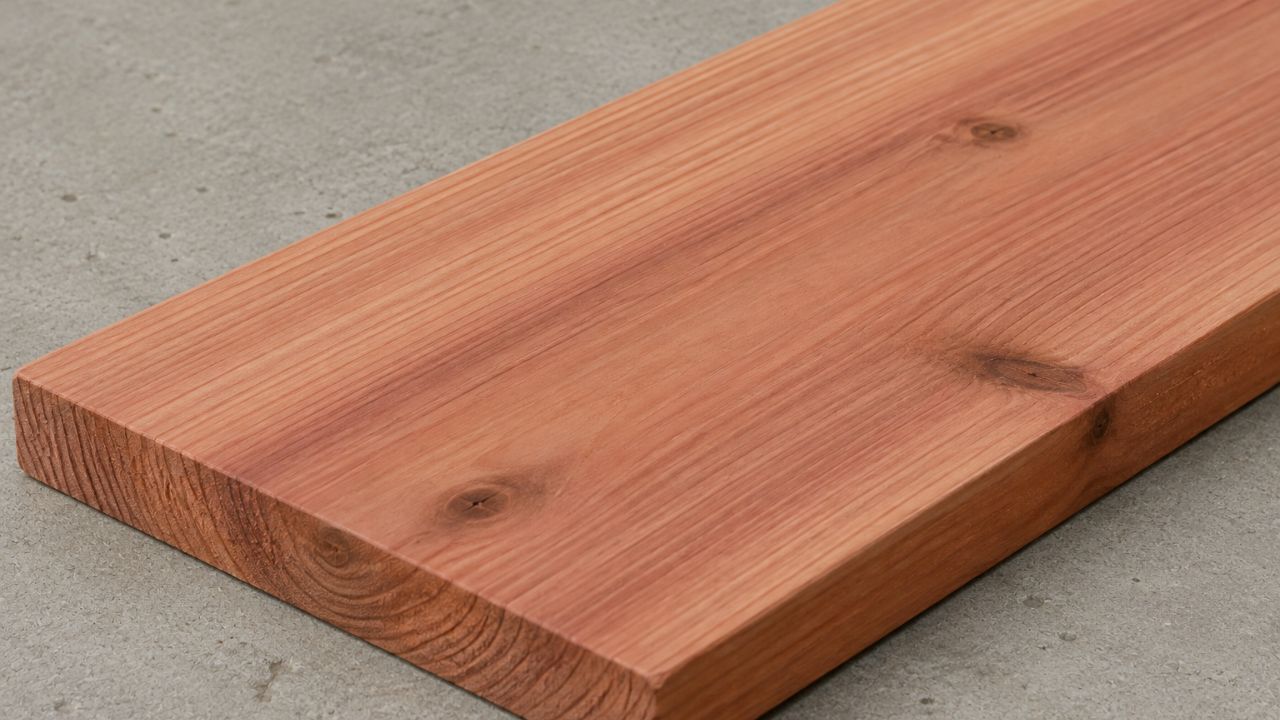
Cedar wood is popular for fencing, decking, siding, furniture, outdoor structures, closets, and other woodworking projects because it is lightweight, attractive, naturally resistant to decay, and easy to work with. But how much is cedar wood?
Cedar lumber typically costs around $4 to $10 per board foot for many common grades and species, although actual prices can range from less than $4 to well over $15 per board foot depending on the species, grade, thickness, width, finish, and supplier. Current lumberyard prices show significant differences between knotty and clear cedar and between common and premium species.
For project-based pricing, cedar decking materials commonly cost around $4 to $10 per square foot, while a complete cedar deck with installation can cost approximately $14 to $35 per square foot.
Cedar is therefore more expensive than some basic softwoods, but its natural durability, appearance, and resistance to insects and decay can make the additional cost worthwhile.
How Much Does Cedar Wood Cost?
The price of cedar depends heavily on what type of cedar you are buying.
As a general guide:
| Cedar Wood | Approximate Cost |
|---|---|
| Common/knotty cedar | $4–$6 per board foot |
| Standard cedar | $5–$10 per board foot |
| Clear cedar | $8–$15+ per board foot |
| Premium cedar | $15+ per board foot |
| Cedar decking | $4–$10 per sq. ft. |
| Cedar siding | Around $2.50–$30 per sq. ft., depending on type and style |
| Installed cedar decking | $14–$35 per sq. ft. |
These are broad price ranges rather than fixed retail prices. Cedar prices vary significantly by species, grade, dimensions, region, and supplier. For example, a current lumberyard price list shows Western Red Cedar boards ranging from about $4 to $10+ per board foot for several common sizes, while clear or premium products can cost considerably more.
How Much Is Cedar Wood Per Board Foot?
If you are buying rough or surfaced lumber for woodworking, cedar is often priced by the board foot.
A board foot is a unit of wood volume equal to:
1 foot long × 1 foot wide × 1 inch thick
The basic formula is:
Board feet = Thickness (in.) × Width (in.) × Length (ft.) ÷ 12
For example, a 2 × 8 × 10-foot board contains approximately:
2 × 8 × 10 ÷ 12 = 13.33 board feet
If cedar costs $7 per board foot, that board would cost approximately:
13.33 × $7 = $93.31
Actual retail prices can differ because lumberyards may sell dimensional cedar by the linear foot rather than the board foot.
Current Cedar Lumber Price Examples
Actual lumberyard pricing helps show how much cedar can cost.
One current price list shows Western Red Cedar products such as:
| Cedar Size | Approximate Listed Price |
|---|---|
| 1 × 4 | $4.15 per board foot |
| 1 × 6 | $5.20 per board foot |
| 1 × 8 | $5.95 per board foot |
| 1 × 10 | $8.50 per board foot |
| 1 × 12 | $9.95 per board foot |
| 2 × 6 | $6.00 per board foot |
| 2 × 8 | $6.10 per board foot |
| 2 × 10 | $6.75 per board foot |
These prices are examples from a current lumber supplier and are subject to change.
Another lumberyard lists Western Cedar products by linear foot, with prices varying considerably according to grade and size. For example, knotty Western Red Cedar is substantially cheaper than clear vertical-grain material.
This illustrates why it is difficult to give one exact price for cedar wood.
How Much Does Cedar Cost Per Square Foot?
Cedar can also be priced by the square foot when it is used for applications such as decking or siding.
For cedar decking, material costs commonly range from approximately $4 to $10 per square foot, depending on the cedar species and quality. When professional installation is included, the total cost can rise to around $14 to $35 per square foot.
For cedar siding, prices vary even more because siding comes in different profiles, grades, and installation styles. Current estimates show cedar siding materials and installation can range widely depending on the product selected.
Cedar Wood Cost by Species
One of the biggest factors affecting cedar’s price is the species.
The word “cedar” is used for several different woods, and they are not all botanically related. Some commonly sold North American cedar products come from the cypress family rather than the true Cedrus genus.
Western Red Cedar
Western Red Cedar is one of the most popular cedar species for outdoor construction.
It is valued for its:
- Natural resistance to decay
- Resistance to insects
- Lightweight construction
- Attractive reddish-brown color
- Straight grain
- Ease of cutting and machining
Western Red Cedar is commonly used for decks, siding, fences, outdoor furniture, shingles, and other exterior projects.
Depending on grade and dimensions, Western Red Cedar can range from approximately $4 to $10 or more per board foot. Clear and premium grades can cost substantially more.
Eastern Red Cedar
Eastern Red Cedar is actually a type of juniper rather than a true cedar.
It is particularly well known for its strong aroma and reddish-purple color.
It is commonly used for:
- Closet lining
- Chests
- Furniture
- Small woodworking projects
- Decorative items
Prices vary by grade, but common Eastern Red Cedar can often be found around $5 to $10 per board foot, with premium and live-edge material costing more. A current supplier lists aromatic red cedar at approximately $7.25 per board foot for #1 common rough material and up to $12 per board foot for some live-edge products.
Northern White Cedar
Northern White Cedar is lighter in color and relatively lightweight.
It is commonly used for:
- Fencing
- Shingles
- Outdoor furniture
- Garden structures
- Small exterior projects
Knotty Northern White Cedar can be relatively affordable, while clear grades are significantly more expensive. One current supplier lists knotty material around $3.75–$4.50 per board foot and clear material around $8.50–$10 per board foot.
Spanish Cedar
Spanish Cedar is commonly used for humid environments and applications such as cigar humidors, cabinetry, and specialty woodworking.
It is not a true cedar botanically, but it is sold under the cedar name.
Current supplier pricing for Spanish Cedar can be around $9–$11 per board foot for several common grades and thicknesses.
Alaska Yellow Cedar
Alaska Yellow Cedar, also known as Nootka Cypress, is a premium softwood known for durability and resistance to moisture.
It can be considerably more expensive than common cedar. One current supplier lists Alaska Yellow Cedar at about $24.35 per board foot for certain grades and thicknesses.
Cedar Wood Price by Grade
The grade of cedar can make a huge difference in price.
Knotty Cedar
Knotty cedar contains visible knots and natural character.
It is generally less expensive than clear cedar and is a popular choice for rustic fences, siding, outdoor furniture, and other projects where a natural appearance is desirable.
Clear Cedar
Clear cedar has fewer knots and defects.
Because clear boards require higher-quality sections of the tree, they are more expensive.
Clear cedar is often selected for:
- High-end siding
- Fine furniture
- Interior paneling
- Premium decks
- Architectural applications
Premium or Vertical-Grain Cedar
Premium vertical-grain cedar is carefully selected for consistent grain and appearance.
It can cost substantially more than standard knotty cedar.
For example, current supplier listings show major price differences between standard/knotty Western Red Cedar and clear vertical-grain products of the same nominal size.
Why Is Cedar Wood Expensive?
Cedar is generally more expensive than basic construction softwoods such as pine because it offers characteristics that make it particularly useful for outdoor applications.
Natural Decay Resistance
Cedar contains natural extractives and oils that help it resist decay.
This makes it useful for outdoor projects where untreated wood is exposed to moisture.
Insect Resistance
Some cedar species contain aromatic compounds that can help discourage certain insects.
Eastern Red Cedar, for example, is particularly well known for its strong aroma and traditional use in closets and storage chests.
Lightweight
Cedar is relatively lightweight compared with many other construction woods.
This makes it easier to transport, cut, install, and work with.
Attractive Appearance
Cedar has a naturally attractive grain and color.
Western Red Cedar, for example, can range from light brown and pinkish tones to deeper reddish-brown shades.
Limited Availability of Certain Grades
Common knotty cedar can be relatively affordable, but clear and premium grades require more selective logs.
As a result, high-quality cedar can become expensive.
How Much Does Cedar Decking Cost?
Cedar is a popular material for outdoor decks because of its appearance and natural resistance to decay.
Cedar decking materials typically cost around $4 to $10 per square foot, depending on the species and quality. With professional installation, the total can reach approximately $14 to $35 per square foot.
For example:
| Deck Size | Materials at $4–$10/sq. ft. | Installed at $14–$35/sq. ft. |
|---|---|---|
| 100 sq. ft. | $400–$1,000 | $1,400–$3,500 |
| 200 sq. ft. | $800–$2,000 | $2,800–$7,000 |
| 500 sq. ft. | $2,000–$5,000 | $7,000–$17,500 |
| 1,000 sq. ft. | $4,000–$10,000 | $14,000–$35,000 |
These figures are general planning estimates and do not necessarily include every expense, such as demolition, structural repairs, railings, stairs, permits, or unusual site conditions.
How Much Does a Cedar Fence Cost?
Cedar is also widely used for privacy fences.
The cost depends on the height, board style, wood grade, post spacing, gate requirements, and labor.
Material-only cedar fence costs can be substantially lower than a complete installed fence. Current 2026 estimates for cedar privacy fencing put installed costs around $25 to $55 per linear foot nationally, although local prices can vary.
For example, a 200-linear-foot cedar privacy fence could potentially cost:
$5,000–$11,000 installed
before considering unusual site conditions or additional features.
How Much Does Cedar Siding Cost?
Cedar siding can be significantly more expensive than basic cedar boards because the final cost includes the siding profile, grade, installation method, and labor.
Current estimates put cedar siding at approximately $11.70 per square foot on average installed, although the actual range can be much broader. One current cost guide gives total project estimates ranging from approximately $1,170 to more than $64,000 depending on the size of the project.
The type of siding also matters.
Cedar siding can be available as:
- Clapboard
- Shiplap
- Board and batten
- Bevel siding
- Tongue and groove
- Cedar shingles
- Cedar shakes
- Channel rustic siding
More complicated profiles and installation methods generally increase labor costs.
Cedar vs. Pine: Which Is More Expensive?
Cedar is generally more expensive than ordinary untreated pine.
Pine is widely available and commonly used for construction, furniture, shelving, and other projects.
Cedar commands a premium because of its natural decay resistance, appearance, lightweight characteristics, and suitability for outdoor applications.
However, pressure-treated pine can be a competitive alternative for certain outdoor projects because treatment improves its resistance to decay and insects.
If your main goal is the lowest initial material cost, pine may be the better option. If you want natural decay resistance and the appearance of cedar, the additional cost may be worthwhile.
Cedar vs. Redwood: Which Is More Expensive?
Cedar and redwood are both popular choices for exterior projects.
Redwood can be more expensive than common cedar, especially when comparing high-quality grades.
However, the price difference depends heavily on species, grade, location, and availability.
Cedar is often chosen because it is lightweight, easy to work with, and widely available, while redwood is valued for its appearance, durability, and distinctive deep reddish color.
Is Cedar Wood Worth the Price?
For many applications, cedar can be worth the additional cost.
Cedar is especially attractive when you need a wood that is:
- Lightweight
- Naturally resistant to decay
- Attractive
- Easy to work with
- Suitable for outdoor applications
- Available in different grades and colors
However, cedar is not automatically the best choice for every project.
If you’re building a temporary structure or are primarily concerned with minimizing upfront cost, a less expensive wood may make more sense.
For a long-lasting deck, fence, siding project, or outdoor furniture, cedar’s natural properties can justify its higher price.
What Affects the Price of Cedar Wood?
Several factors can change the price you pay.
1. Species
Different cedar species have different levels of availability and demand.
2. Grade
Clear cedar costs more than knotty or common grades.
3. Thickness
Thicker boards contain more wood and generally cost more.
4. Width
Wide cedar boards can be more expensive because large, clear boards are harder to produce.
5. Length
Long, straight boards can command a premium.
6. Grain
Vertical-grain and highly consistent grain patterns generally cost more than ordinary stock.
7. Finish
Surfaced, tongue-and-groove, prefinished, and other specialty products can cost more than rough lumber.
8. Location
Transportation and regional availability can have a major effect on cedar prices.
A Western Red Cedar product may be more competitively priced in regions where it is readily available, while imported or regionally limited cedar species can cost considerably more.
9. Quantity
Buying larger quantities may reduce the per-board-foot price. Some lumberyards offer volume discounts for larger orders.
How to Save Money When Buying Cedar
If cedar is outside your budget, you can reduce the cost without necessarily switching to another species.
Choose Knotty Cedar
Knotty cedar is usually less expensive than clear cedar.
If you like a rustic appearance, this can provide significant savings.
Compare Multiple Lumberyards
Prices can vary substantially between suppliers.
Get quotes from several local lumberyards before purchasing a large quantity.
Buy Standard Sizes
Specialty dimensions and custom milling can increase the price.
Standard sizes are generally easier to find and compare.
Buy in Bulk
Ask your supplier whether volume discounts are available.
Some lumberyards offer discounts when customers purchase larger quantities.
Buy Locally
Local sourcing can reduce transportation costs, especially for large quantities of lumber.
Compare the Grade
Don’t automatically buy the highest grade.
For a rustic fence or garden structure, knotty cedar may perform perfectly well while costing much less than clear cedar.
How to Calculate the Cost of a Cedar Project
Before buying lumber, calculate how much wood your project actually requires.
For board-foot pricing:
Board Feet = Thickness × Width × Length ÷ 12
For example, suppose you need ten 2 × 6 × 8-foot cedar boards.
Each board contains:
2 × 6 × 8 ÷ 12 = 8 board feet
Ten boards require:
8 × 10 = 80 board feet
If cedar costs $7 per board foot:
80 × $7 = $560
So the lumber itself would cost approximately $560 before taxes, delivery, hardware, finishing materials, and waste.
It is also wise to purchase some additional material to account for cutting waste, defects, and mistakes.
Final Answer: How Much Is Cedar Wood?
So, how much is cedar wood?
Cedar wood commonly costs around $4 to $10 per board foot, but the actual price can range considerably depending on the species, grade, dimensions, finish, and supplier. Common knotty cedar is usually more affordable, while clear, premium, vertical-grain, and specialty cedar can cost $15 per board foot or considerably more. Current supplier listings show examples ranging from roughly $3.75 per board foot for knotty Northern White Cedar to more than $24 per board foot for certain premium Alaska Yellow Cedar products.
For projects, cedar decking typically costs around $4–$10 per square foot for materials, while a complete cedar deck with installation can cost approximately $14–$35 per square foot.
The best way to determine your actual cedar wood cost is to compare local lumberyard prices based on the exact species, grade, dimensions, and quantity you need.
FAQs
1. How much does cedar wood cost per board foot?
Cedar commonly costs around $4 to $10 per board foot, although premium species and clear grades can cost significantly more. Prices vary by species, grade, size, and supplier.
2. Is cedar wood expensive?
Cedar is generally more expensive than basic softwoods such as untreated pine, but its natural decay resistance, appearance, lightweight construction, and outdoor durability can make it worth the additional cost.
3. How much does cedar cost per square foot?
Cedar decking materials typically cost around $4 to $10 per square foot. Including professional installation, a cedar deck can cost approximately $14 to $35 per square foot.
4. What is the cheapest type of cedar?
Knotty grades of common cedar are generally among the least expensive options. Northern White Cedar and other common knotty grades can be significantly cheaper than clear or premium cedar.
5. Why is cedar more expensive than pine?
Cedar generally costs more because of its natural decay resistance, insect resistance, attractive appearance, and suitability for outdoor applications. Pine is more widely available and is commonly less expensive.
6. Is cedar good for outdoor use?
Yes. Cedar is widely used outdoors for decks, fences, siding, shingles, and furniture because several commonly used cedar species have natural resistance to decay and moisture. However, proper design, installation, drainage, and maintenance are still important for long-term performance.
7. Which is more expensive, cedar or redwood?
The answer depends on the species and grade, but premium redwood can cost more than common cedar. Both are considered attractive options for outdoor projects, and local availability can significantly affect their prices.
8. Is clear cedar more expensive than knotty cedar?
Yes. Clear cedar generally costs more because it contains fewer knots and defects and requires higher-quality logs. Knotty cedar is a more affordable option when a rustic appearance is acceptable.