
As an Amazon Associate, timberblogger.com earns from qualifying purchases.
Strong, durable wood is a popular choice for furniture, flooring, and outdoor projects. Cumaru offers these qualities, along with an attractive appearance. However, its weight and hardness can make installation and woodworking more demanding.
Cumaru is a tropical hardwood commonly associated with Dipteryx odorata, a tree native to northern South America. It is especially valued for projects that require resistance to wear and decay.
What Is Cumaru Wood?
Cumaru wood, also known as Brazilian teak, is popular for its durability, hardness, and attractive grain. It is commonly used for high-quality decking, flooring, and furniture.
Despite its trade name, cumaru is not true teak. True teak comes from Tectona grandis, an unrelated species. The cumaru tree is also associated with the tonka bean, its aromatic seed.
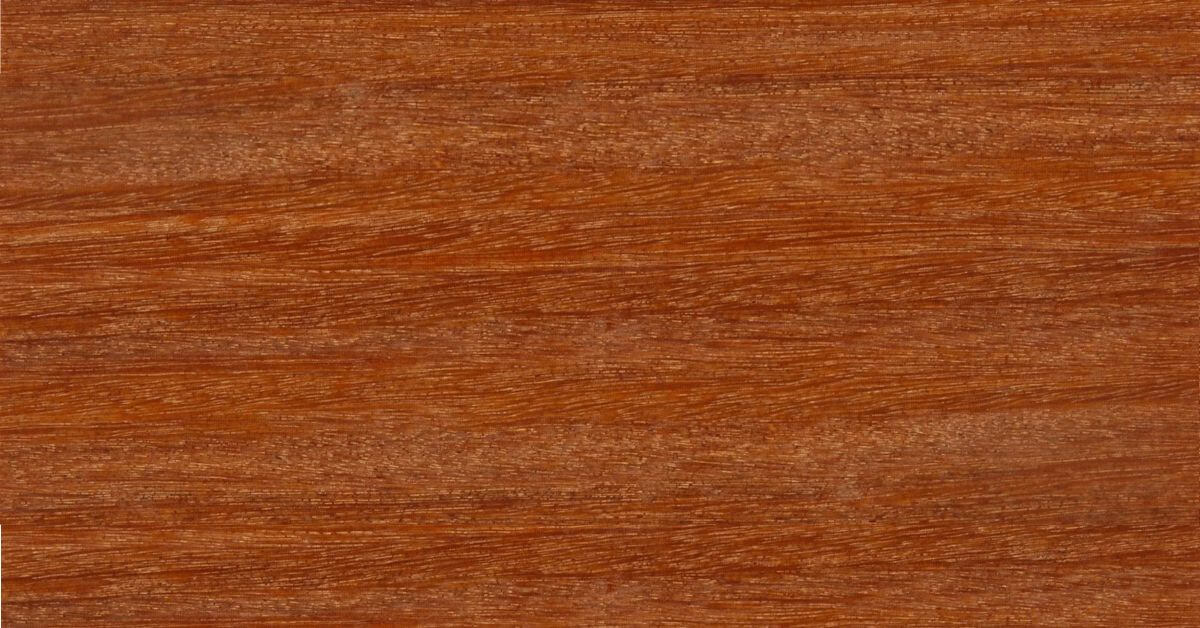
Cumaru heartwood generally ranges from medium to dark brown, sometimes with reddish or purplish tones. Some boards contain yellowish or greenish-brown streaks. The sapwood is lighter.
Color varies naturally between boards and can change with drying, finishing, and exposure to light. Outdoors, unfinished cumaru gradually develops a silver-gray appearance.
Characteristics of Cumaru Wood
| Characteristic | Description |
|---|---|
| Scientific name | Dipteryx odorata; related Dipteryx species may also be traded as cumaru |
| Tree size | Approximately 130–160 ft (40–50 m) tall |
| Trunk diameter | Approximately 3–5 ft (1–1.5 m) |
| Average dried weight | Approximately 68 lb/ft³ (1,085 kg/m³) |
| Janka hardness | Approximately 3,330 lbf (14,800 N) |
| Crushing strength | Approximately 13,850 psi (95.5 MPa) |
| Heartwood color | Medium to dark brown, sometimes with reddish or purplish tones |
| Wood type | Hardwood |
These are reference values rather than guaranteed measurements for every board. Properties vary with the species, growing conditions, and moisture content.
Uses of Cumaru Wood
Cumaru is used for flooring, decking, siding, furniture, cabinetry, railroad ties, tool handles, bearings, and decorative objects. Its strength also makes it suitable for certain heavy-construction applications.
It is particularly useful where hardness and durability are important. However, its density can make it less convenient for lightweight furniture or projects requiring extensive hand-tool work.
Advantage Lumber’s technical guide lists decking, flooring, heavy construction, handles, and turnery among its applications.
Is Cumaru Wood Good for Flooring?
Yes, cumaru is a popular flooring choice because of its hardness, durability, and attractive appearance. It resists dents and everyday wear well, making it suitable for busy rooms, hallways, and stairs.
However, it is not scratch-proof. Grit, sharp objects, and furniture movement can still damage the surface or finish.
Proper installation is important. Flooring should be acclimated according to the supplier’s instructions, and the subfloor should meet the required moisture conditions. Cumaru still expands and contracts as humidity changes.
Is Cumaru Wood Good for Decking?
Yes, cumaru’s naturally durable heartwood makes it suitable for outdoor decking. Good drainage, ventilation, and correct board spacing remain essential.
Its density generally requires predrilling for screws. Use the supplier’s recommended fasteners and installation method, and seal freshly cut ends where instructed to reduce end checking.
Advantage Lumber’s installation guidance explains these requirements.
Grain
Cumaru generally has interlocked grain and a medium texture, sometimes with a waxy feel. Its grain and color variation contribute to its appearance.
Interlocked grain can also make planing more difficult because the fibers change direction. Sharp tools and careful machining help produce a smoother surface.
The Pros and Cons of Cumaru Wood
Like any wood, cumaru has advantages and disadvantages worth considering before starting a project.
Pros
- Durability: Cumaru heartwood has strong natural resistance to fungal decay and good resistance to certain wood-damaging insects. Its service life depends on installation, exposure, and maintenance; a fixed 50-year lifespan should not be assumed.
- Suitable for outdoor use: It performs well in decking and outdoor furniture when properly installed and maintained.
- Hardness: Its high Janka hardness makes it useful for flooring, stairs, and other surfaces exposed to frequent wear.
- Strength: Cumaru is strong and stiff, making it useful where substantial loads or repeated use are expected. Structural applications still require appropriate grading and design.
- Attractive appearance: Its warm brown tones and contrasting grain suit both interior and exterior projects.
- Manageable maintenance: Regular cleaning helps preserve its condition. Outdoor finishes can help retain its brown color, while owners who prefer a weathered appearance may allow it to turn gray.
Cons
- Cost: Material and installation costs can exceed those of budget softwoods. Compare the complete project cost, including cutting, drilling, fasteners, and labor.
- Difficult to work: High density and interlocked grain make cutting and shaping demanding. Tool edges can dull, and gluing requires suitable preparation.
- Weight: Cumaru is heavy, making transportation and installation more labor-intensive than with lighter woods.
- Movement and checking: Cumaru is not immune to shrinking, swelling, warping, or cracking. Correct drying, acclimation, and installation are important.
- Color variation: Boards may differ noticeably in color. Laying them out before installation helps create a balanced appearance.
- Sourcing concerns: Buy from suppliers that can explain the wood’s origin and provide relevant sourcing records.
Updated trade information: Dipteryx species entered CITES Appendix II on November 25, 2024. International trade in covered products is regulated, rather than universally banned. The U.S. Fish and Wildlife Service explains the requirements.
How to Maintain and Care for Cumaru Wood
Proper care helps maintain cumaru’s appearance and reduces avoidable damage.
Regular Cleaning
Dirt, dust, and grit can accumulate on the surface and scratch the finish. Sweep regularly or use a vacuum attachment designed for wood flooring.
For indoor floors, use a cleaner approved for the specific finish and a lightly dampened cleaning pad. Wipe up spills promptly and avoid leaving standing water.
For decking, remove leaves and debris from between boards to support drainage.
Finishing and Sealing
For outdoor cumaru, use a finish specifically recommended for dense tropical hardwoods. Test it on a spare board before treating the entire surface.
A suitable exterior finish can help retain the wood’s brown color, but it does not make the wood waterproof. Reapplication frequency depends on exposure, climate, and the product’s instructions.
Allowing the surface to weather gray is an appearance choice and does not, by itself, mean the wood is rotting.
Avoid Harsh Cleaners
Avoid abrasive cleaners and products incompatible with the floor’s finish. Do not use wax on a floor unless the finish manufacturer recommends it.
Remove the vinegar-and-water cleaning recipe from your routine. The National Wood Flooring Association advises against vinegar because its acidity can degrade floor finishes.
Maintain Relative Humidity
Maintain the indoor humidity range recommended by the flooring manufacturer. Around 30–50% relative humidity is a common guideline, although product and regional requirements may differ.
A hygrometer helps monitor conditions. Consistent humidity reduces excessive seasonal movement.
Prevent Sunlight Damage
Prolonged sunlight can change the color of indoor wood flooring. Blinds, curtains, or suitable window film can help reduce exposure.
Use protective pads under furniture, and avoid dragging heavy items across the surface.
Periodic Refinishing
Refinish according to the floor’s condition rather than a fixed seven-to-ten-year schedule. Light finish wear may need recoating, while deeper damage may require sanding.
A professional should assess the floor before sanding, particularly if it is engineered flooring or has been refinished previously. The remaining wood thickness determines whether further sanding is appropriate.