
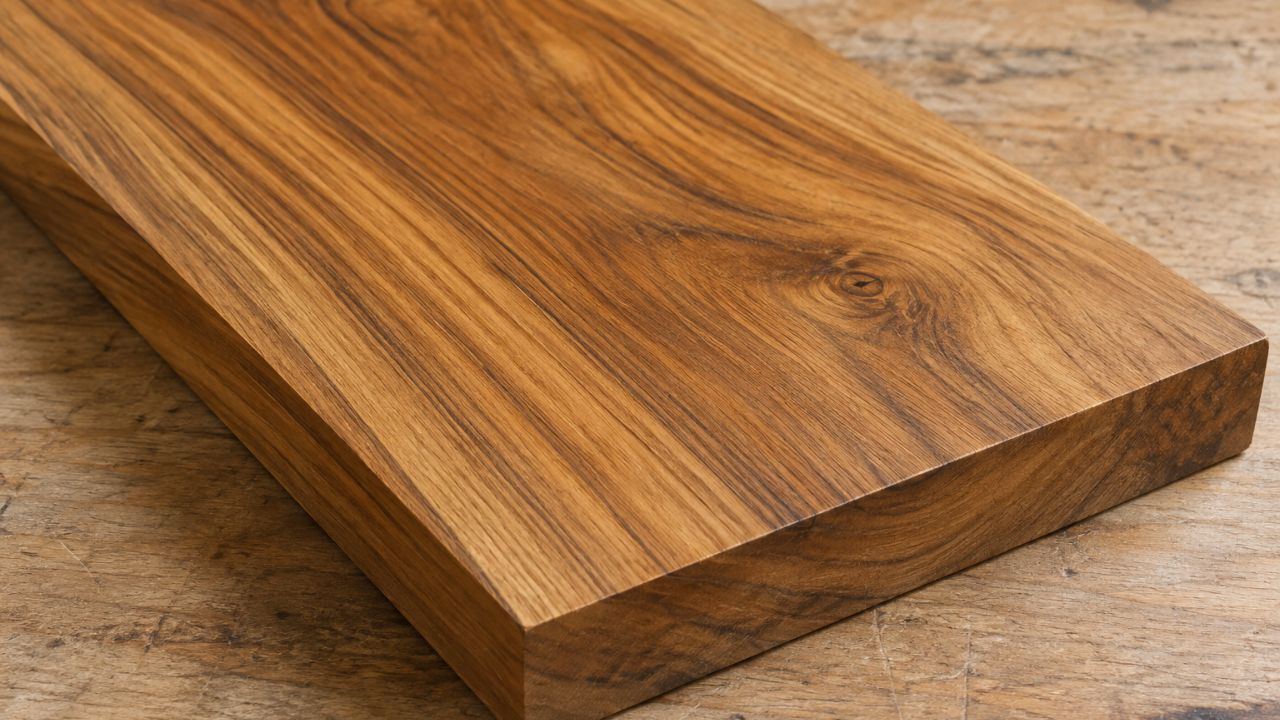
Cedar wood can last for decades outside when suitable lumber is installed above ground, drains well, and receives appropriate maintenance. However, there is no single lifespan that applies to every cedar fence, deck, planter, or outdoor chair.
For a specific reference, the Western Red Cedar Lumber Association’s decking environmental product declaration uses an expected service life of 25 years. That is an industry estimate used for environmental assessment—not a guarantee for every deck.
Cedar that stays wet or touches soil can deteriorate much sooner. The species, heartwood content, construction details, and local conditions all influence how long it remains usable.
This article focuses mainly on western red cedar, a common choice for outdoor projects.
What Is a Realistic Outdoor Lifespan for Cedar?
Start with the application rather than a blanket claim such as “cedar lasts 30 years.”
A vertical fence board, a horizontal deck board, and a buried post face different conditions. Even within one structure, some components may need replacement well before others.
| Cedar application | How to think about its lifespan |
|---|---|
| Above-ground decking | A 25-year service life is used in WRCLA’s environmental assessment; actual performance varies |
| Fence boards and rails | Evaluate drainage, board quality, connections, and clearance from soil |
| Fence posts in soil | Ground-contact performance needs separate consideration |
| Siding | Installation, flashing, moisture control, and maintenance are critical |
| Outdoor furniture | Joint design, exposure, storage, and care influence durability |
| Raised beds and planters | Persistent contact with damp soil creates more demanding conditions |
The WRCLA decking declaration bases its 25-year estimate on expert opinion, anecdotal evidence, and product warranty claims. It should not be treated as a measured average for all cedar products.
When comparing lifespan claims, check whether they refer to the wood, its surface finish, or the entire structure.
Why Does Cedar Last Outdoors?
Cedar’s reputation comes partly from the natural decay resistance of its heartwood. However, “cedar” is a common name covering different species, and their durability is not identical.
Western red cedar, eastern red cedar, and northern white cedar should not automatically be assigned the same lifespan.
The part of the tree also matters. Heartwood is the inner wood, while sapwood is the outer wood beneath the bark. Natural durability claims generally concern heartwood; sapwood should not be assumed to have the same protection.
When buying lumber, ask which species you are getting and whether the material suits the intended exposure.
What Affects How Long Cedar Lasts Outside?
1. How Long the Wood Stays Wet
Occasional rain and persistent dampness are different problems.
An exposed board that dries between showers faces different conditions from one trapped beneath wet leaves or pressed against damp soil.
Look for places where moisture lingers:
- Under planters and outdoor rugs.
- Between closely spaced components.
- Around joints and fasteners.
- Near leaking gutters or irrigation.
- Behind accumulated leaves and debris.
Improving drying conditions can be more useful than repeatedly coating a surface while leaving the moisture problem unresolved.
2. Ground Contact
Direct contact with soil is one of the most important distinctions when estimating cedar’s lifespan.
In a Wisconsin field study, western red cedar performed poorly in small ground-contact stakes, while the cedar species tested above ground showed little deterioration at the reported inspection. Eastern red cedar performed better in the ground-contact test.
The US Forest Service study demonstrates why species and exposure matter. Its small test stakes do not establish an exact lifespan for full-size fence posts.
For buried components, confirm that the specific material is suitable for ground contact. A board being sold as “cedar” is not enough information.
3. Lumber Quality and Dimensions
Board thickness, defects, and heartwood content affect how a component performs.
A thin planter board and a substantial post should not be expected to behave identically. Likewise, the appearance grade alone does not establish outdoor durability.
Select lumber for the job rather than choosing only by color, price, or the absence of knots.
4. Construction and Installation
Good material can still fail prematurely when installation traps water.
For outdoor projects, consider drainage, ventilation, suitable connections, and protection of vulnerable details. Follow the product’s installation requirements, including spacing and clearance.
A deck also contains framing, posts, connections, and foundations. The condition of the visible cedar boards cannot establish the condition of the whole structure.
5. Climate and Location
The same design may perform differently in a dry, open yard and a shaded, humid garden.
Assess the actual location:
- Does the wood dry after rain?
- Is vegetation pressed against it?
- Does irrigation wet it repeatedly?
- Is water collecting around its base?
These observations are more useful than assuming all outdoor exposure is equivalent.
How Long Does Untreated Cedar Last Outside?
Untreated cedar can provide long service in suitable above-ground applications. However, the word “untreated” needs clarification.
It may mean:
- Not pressure-treated: No industrial preservative treatment has been applied.
- Unfinished: No surface stain, paint, or sealer has been applied.
These are different things. Cedar can be unfinished and naturally durable, but that does not make it immune to decay.
The WRCLA decking assessment models an uncoated deck using the same 25-year lifespan assumption as its stained scenario. This does not prove that every unfinished deck will last that long or that coatings have no benefit.
Choose a finish based on the appearance and protection you want, while continuing to manage drainage and moisture.
Does Cedar Turning Gray Mean It Is Rotting?
No. Gray color alone does not mean cedar is rotten.
Outdoor weathering can change cedar’s surface from its original warm tones to gray. Appearance and structural condition need to be assessed separately.
A gray board may still be serviceable. Conversely, an attractively stained board can conceal damage around a joint or underneath the surface.
Look beyond color for signs such as:
- Soft or crumbling areas.
- Material breaking away around fasteners.
- Significant deterioration near the ground.
- Loose connections associated with damaged wood.
Dark marks also need investigation rather than an automatic diagnosis of rot.
How Long Does a Cedar Fence Last?
A cedar fence does not have one uniform lifespan because its parts have different exposures.
Boards above the soil may remain usable while posts deteriorate at ground level. Rails and connections can also need attention before the boards themselves.
When asking a contractor about expected life, request separate details for:
- Fence boards.
- Rails.
- Posts.
- Fasteners and gate hardware.
Keep vegetation and accumulated soil away from the boards, and correct drainage problems near posts. If using treated posts with cedar boards, specify treatment appropriate for the post exposure.
Avoid choosing a fence solely because someone promises a fixed number of years without explaining the materials and installation.
How Long Does Cedar Last in Raised Beds?
Raised beds expose wood to damp soil, repeated watering, and limited drying on the inside face. These conditions are more demanding than those of an above-ground fence board.
There is no dependable universal lifespan for a cedar raised bed. Board thickness, species, soil moisture, and construction all matter.
Before building, decide whether your priority is appearance, repairability, or maximum service life. A design with individually replaceable boards can make future repairs easier.
Do not assume a liner guarantees longer life. Its design must allow appropriate drainage rather than trap water against the wood.
Does Sealing Cedar Make It Last Longer?
A suitable exterior finish can help control surface weathering and preserve the appearance you prefer. However, it cannot compensate for unsuitable material, persistent dampness, or failing construction.
“Sealer” is also a broad term. Products differ in pigmentation, water repellency, application requirements, and maintenance.
Choose a finish intended for both cedar and the application. A product suitable for vertical siding may not be appropriate for a walking surface.
Do not expect one coat to create permanent waterproofing or add a predictable number of years to the wood’s life.
How to Help Cedar Last Longer Outside
Keep It Away From Unnecessary Soil Contact
Maintain the required clearance for the project. Avoid piling mulch, compost, or leaves against cedar boards.
For components that must touch soil, select materials specifically suitable for that exposure.
Keep Drainage Paths Clear
Remove debris that traps moisture. On decks, check the spaces between boards and areas beneath movable objects.
Move planters and accessories periodically so you can inspect and clean underneath them.
Clean Gently
Use a cleaning method suitable for cedar and its finish. Start with the least aggressive method that will do the job.
Avoid aggressive pressure washing, which can damage the surface. Follow cleaner instructions rather than combining products or using unnecessarily strong solutions.
Maintain the Finish When Needed
Inspect coated surfaces and follow the finish manufacturer’s maintenance guidance.
Recoating needs vary with exposure and product type. A fixed schedule for every cedar surface is less useful than checking its actual condition.
Inspect Once a Year
Check boards, joints, fasteners, and damp areas. Also inspect after storms or a new drainage problem.
Promptly repairing a localized issue can prevent it from becoming a larger replacement project.
When Should Outdoor Cedar Be Replaced?
Replacement depends on condition, not age alone.
A board may need replacement when deterioration prevents it from doing its job or holding its connections securely. Significant decay, failing supports, or unstable railings require more than cosmetic refinishing.
For decks and other load-bearing structures, have questionable components assessed by a qualified professional. Applying stain over damage does not restore structural capacity.
Frequently Asked Questions
Can Cedar Stay Outside All Year?
Yes, cedar is used in permanent outdoor applications. Its performance depends on suitable materials, construction, exposure, and maintenance.
Is Cedar Waterproof?
No. Cedar can absorb moisture and change dimensions. Natural decay resistance does not make it waterproof.
Will Cedar Rot if It Touches the Ground?
It can. Ground contact increases exposure to moisture and decay organisms. Performance varies by cedar species and the actual material.
Does Cedar Need to Be Stained Every Year?
Not necessarily. Inspect the finish annually, but recoat according to its condition and the manufacturer’s instructions.
Can Cedar Last 25 Years Outside?
It can in suitable applications, and 25 years is the service-life assumption used in the WRCLA decking assessment. It is not a guarantee for a particular fence, deck, or planter.
What Is the Most Important Way to Extend Cedar’s Life?
Prevent persistent moisture where possible. Choose suitable lumber, provide drainage, keep debris from accumulating, and address wet areas before deterioration spreads.