
Spanish Cedar vs Western Red Cedar | What Are the Differences?
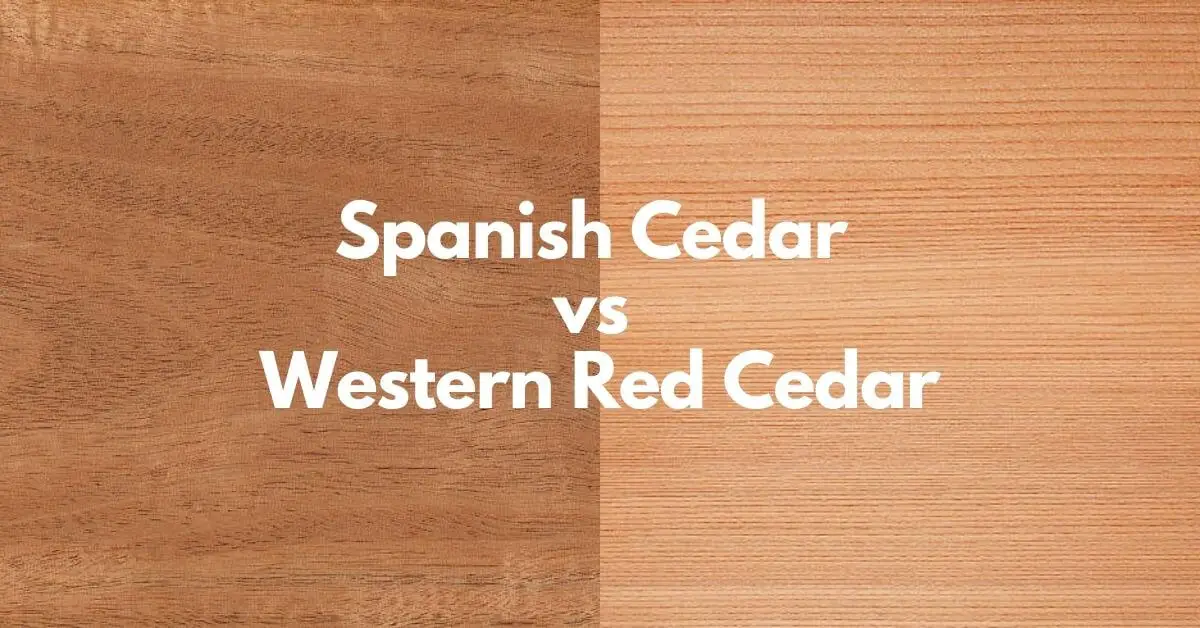
Spanish Cedar vs Western Red Cedar

Cedar is one of the most popular woods for both indoor and outdoor woodworking projects. It is valued for its natural durability, dimensional stability, pleasant aroma, and resistance to decay. Unlike many wood species, cedar has excellent resistance to shrinking, swelling, and warping, making it an excellent choice for exterior applications. Spanish cedar is harder … Read more

Cedar vs Pine Wood: Which Is Better for Your Project?

Cedar Vs Pine

Cedar and pine can both be good choices, but they solve different problems. Western red cedar is worth considering when you want natural decay resistance and an attractive outdoor finish. Pine is a practical option for indoor woodworking, while properly pressure-treated pine is an alternative for outdoor construction. The most useful comparison depends on three … Read more

Port Orford Cedar vs Western Red Cedar: Differences, Uses, and Durability

western red cedar

Port Orford cedar is generally harder, heavier, and stronger than western red cedar. Western red cedar is lighter and widely used for siding, shingles, decking, and outdoor structures. Both woods have naturally decay-resistant heartwood, but their appearance, availability, and suitability differ by project. Choosing between them involves more than comparing strength. For exterior siding, lightweight … Read more

Northern White Cedar: Identification, Properties, Uses, Pros and Cons

Northern White Cedar

Northern white cedar is a lightweight, naturally durable softwood used for fencing, shingles, outdoor furniture, and log construction. Its pale color, fine texture, and easy workability make it useful for projects where low weight and decay resistance matter. However, it is also very soft. It can dent easily and does not hold screws as securely … Read more