Sassafras wood flooring offers warm brown tones, noticeable grain, and a less common alternative to traditional hardwood floors. It can suit a quiet bedroom or a character-filled living space, especially if you appreciate the marks that develop on a natural wood surface.
However, sassafras is a relatively soft hardwood. With a Janka hardness of approximately 630 lbf, it dents more easily than many common flooring woods. Its appearance may make it appealing, but its softness deserves careful consideration before you commit to an entire room.
This guide covers the benefits, limitations, installation considerations, and maintenance needs of sassafras flooring.
What Is Sassafras Wood Flooring?
Sassafras wood flooring is flooring made from sassafras timber. This article focuses on American sassafras, Sassafras albidum.
Always confirm the botanical species with the supplier. Common wood names can refer to different trees, and a flooring product named “Sassafras” may simply be a decorative color in a laminate or vinyl range.
For real wood flooring, also confirm whether you are buying solid boards or an engineered product with a genuine sassafras surface.
Sassafras Flooring Characteristics
| Characteristic | What to expect |
|---|---|
| Wood type | Hardwood |
| Typical color | Light to medium brown, sometimes with olive or orange tones |
| Grain | Usually straight, occasionally wavy |
| Texture | Open and relatively coarse |
| Janka hardness | Approximately 630 lbf |
| Dent resistance | Relatively low compared with many common hardwood flooring species |
| Moisture behavior | Expands and contracts as moisture conditions change |
| Best practical fit | Lower-traffic interiors where appearance matters more than dent resistance |
The USDA Forest Products Laboratory’s hardwood reference reports a dry hardness of 630 lbf for sassafras and describes it as easy to work and finish.
That combination helps explain its appeal to woodworkers, but easy machining does not necessarily make a wood ideal for a busy floor.
What Does Sassafras Flooring Look Like?
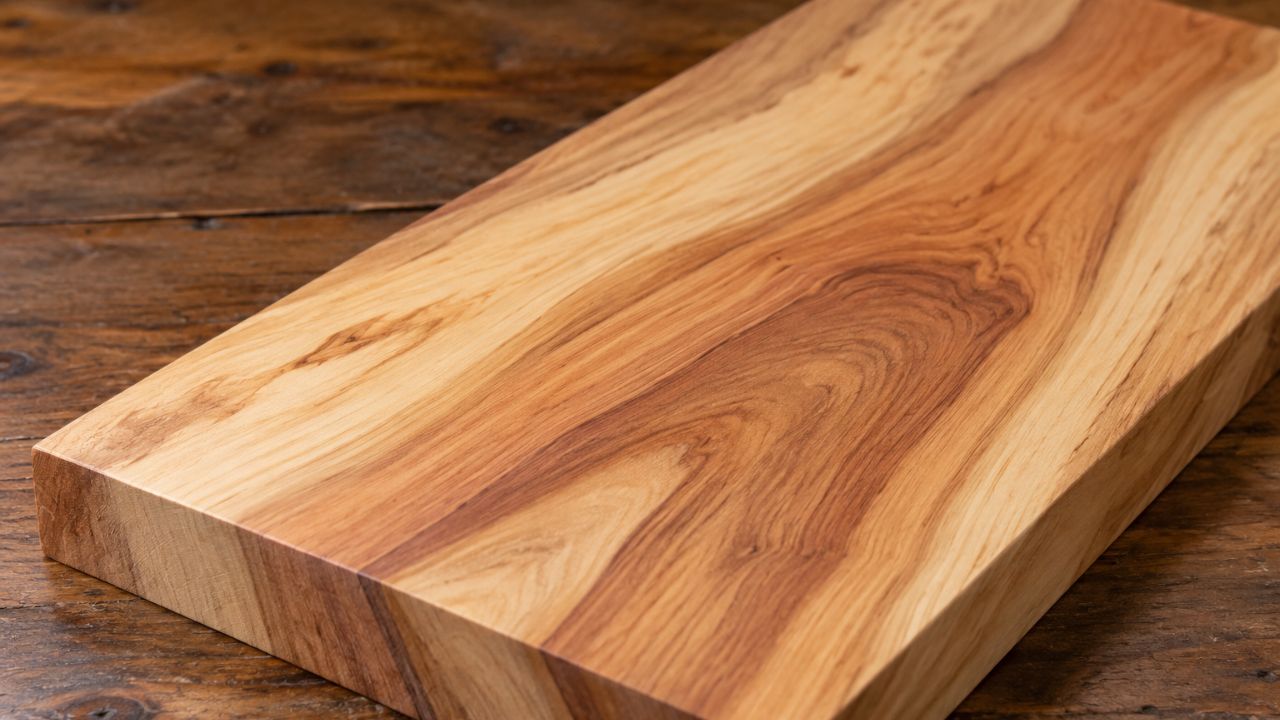
Sassafras generally has a light to medium brown appearance with visible grain. Some boards have warmer orange tones or a subtle olive cast.
The contrast between lighter sapwood and darker heartwood can produce variation across the floor. This can work well in rustic or informal interiors, while a more uniform design may require careful board selection.
Before ordering, ask for several representative samples. One small piece cannot show the full range of color, knots, and grain in a batch.
View finished samples in the room where the flooring will be installed. Daylight, artificial lighting, and the chosen coating can all change how the color appears.
Is Sassafras Wood Hard Enough for Flooring?
Sassafras can be used for flooring, but it is better suited to homeowners who accept dents and wear as part of the floor’s appearance.
Its relatively low hardness makes it vulnerable to concentrated pressure from furniture feet, dropped objects, and high heels. A room with rolling chairs or frequent furniture movement presents additional challenges.
It is also important to distinguish between two types of damage:
- Scratches affect the finish or wood surface.
- Dents compress the wood beneath the finish.
A durable floor coating can improve surface protection, but it cannot turn sassafras into a much harder wood.
Advantages of Sassafras Wood Flooring
1. Warm, Natural Appearance
Sassafras can create a welcoming interior without needing a dark stain. Its grain and color variation give the floor visual interest.
For a room built around natural materials, this may be its strongest advantage.
2. An Uncommon Flooring Choice
It offers a different look from the species found in most flooring showrooms. If you want a floor with an individual character, properly prepared sassafras boards may be worth exploring.
However, choose it because you like the actual material, rather than simply because it is unusual.
3. Good Workability
Sassafras is generally cooperative when cutting, shaping, and finishing. This can be useful when a specialist mill produces flooring to a particular specification.
Accurate milling still matters. Easy-to-work lumber is not automatically ready to install as flooring.
4. Refinishing Potential
Solid sassafras flooring may be sanded and refinished if enough usable wood remains above the tongue or fasteners.
The number of possible refinishing cycles depends on the board profile, previous sanding, and the depth of damage. Do not assume that every solid floor can be repeatedly sanded without limits.
5. Character That Develops with Use
For some homeowners, small dents and signs of use suit the room. In that setting, sassafras’s softness may be an acceptable tradeoff.
It is less suitable if your priority is keeping the surface looking uniformly new.
Disadvantages of Sassafras Wood Flooring
1. It Dents Relatively Easily
This is the main limitation. Heavy furniture, active pets, and dropped items can leave marks.
If visible wear would bother you, a harder flooring species is likely to be a better fit.
2. Sourcing May Require Extra Work
Confirm that a supplier can provide enough flooring-grade material for the entire project. Finding rough sassafras lumber does not guarantee access to properly dried and consistently milled floorboards.
Order suitable spare boards from the same batch for future repairs.
3. Moisture Still Causes Movement
Sassafras flooring is not waterproof. Seasonal changes can cause gaps, while excessive moisture can contribute to distortion.
Its heartwood’s natural decay resistance should not be treated as protection against flooring damage from leaks or wet cleaning.
4. Soft Wood Needs Careful Sanding
Aggressive sanding can remove material quickly or leave an uneven surface. Choose an installer or refinisher who understands how to work with a relatively soft species.
5. Repairs May Be Difficult to Match
A replacement board may differ from the existing floor in color, grain, and aging. Limited local stock can make a close match harder to find.
Keeping leftover flooring is useful even if you do not expect to need it immediately.
Where Does Sassafras Flooring Work Best?
Based on its softness, the most sensible locations are rooms with relatively light use.
| Room or application | Practical assessment |
|---|---|
| Bedroom | Worth considering where traffic and furniture movement are limited |
| Guest room | A reasonable option if you like its appearance |
| Quiet living room | Possible, with acceptance of wear |
| Dining room | Chair movement requires particular care |
| Busy entrance or hallway | A harder surface is usually more practical |
| Kitchen | Spills, dropped utensils, and concentrated traffic increase maintenance demands |
| Bathroom or laundry room | Generally a poor choice where frequent wetting is expected |
These are practical recommendations, not a substitute for the flooring supplier’s installation and use requirements.
How Much Does Sassafras Flooring Cost?
There is no reliable standard price that applies to every sassafras flooring project.
Ask for a quotation covering finished flooring rather than comparing raw lumber prices alone. The total may include:
- Drying and moisture verification.
- Milling the flooring profile.
- Sorting and defect removal.
- Delivery and installation.
- Sanding and finishing.
- Additional material for cutting and future repairs.
If a supplier quotes lumber by the board foot, do not compare that directly with installed flooring priced by the square foot.
A locally available timber can still become an expensive floor after preparation and installation.
Installing Sassafras Wood Flooring
Confirm That the Boards Are Suitable
Specify flooring-grade boards with consistent dimensions and a profile appropriate for the installation.
Ask the supplier to confirm the drying condition, permitted defects, and installation method. Ordinary rough boards need further preparation before they become a dependable flooring product.
Check Moisture Before Installation
Acclimation is about bringing the wood into suitable moisture balance with the space. Leaving it in the room for a fixed number of days does not prove that it is ready.
The installer should assess the flooring, subfloor, and expected indoor conditions before proceeding.
Prepare the Subfloor
The subfloor needs to meet the requirements for the chosen flooring system, including flatness, dryness, and structural suitability.
Nail-down, glue-down, and other methods are not interchangeable. Use the method approved for the specific product and subfloor.
Allow for Wood Movement
Provide the required expansion space and follow the installation specification. Wider boards need particular attention because movement across each board can be more noticeable.
What Is the Best Finish for Sassafras Flooring?
Choose a product specifically intended for wood floors.
A suitable polyurethane system can provide a protective film, while a floor-rated oil system may appeal to homeowners who prefer its appearance and maintenance approach.
Compare finished samples before deciding. Consider sheen, color change, repair options, curing time, and the maintenance instructions.
A matte or satin finish may make everyday marks less conspicuous than a high-gloss surface, but it will not prevent dents.
How to Maintain Sassafras Flooring
Remove grit regularly with a soft broom or a vacuum suitable for wood flooring. Use a cleaner approved for the finish, and wipe up spills promptly.
Fit protective pads beneath furniture, check them regularly, and lift heavy items instead of dragging them. Use suitable mats near entrances to reduce tracked-in grit.
The National Wood Flooring Association’s care guidance emphasizes furniture protection and consistent indoor temperature and humidity to help prevent common flooring problems.
Avoid soaking the floor or using steam cleaning unless the flooring manufacturer explicitly approves it.
Frequently Asked Questions
Is Sassafras Flooring Good for Homes with Dogs?
It can show marks under active dogs, especially around doorways and turning points. If you want strong resistance to visible wear, consider a harder flooring option.
Can You Stain Sassafras Flooring?
Yes, sassafras can accept stain. Test the complete stain-and-finish system on representative boards before applying it to the floor.
Is Sassafras Flooring Waterproof?
No. The wood can absorb moisture and change dimensions. Natural resistance to heartwood decay does not make a finished floor waterproof.
Is Sassafras Flooring Worth It?
It can be worth considering for a lower-traffic room when you like its grain and accept a softer surface.
Before buying, obtain finished samples, confirm the supply of properly prepared boards, and discuss the project with an experienced installer. For a busy household where dent resistance is the priority, a harder species is usually the more practical choice.