
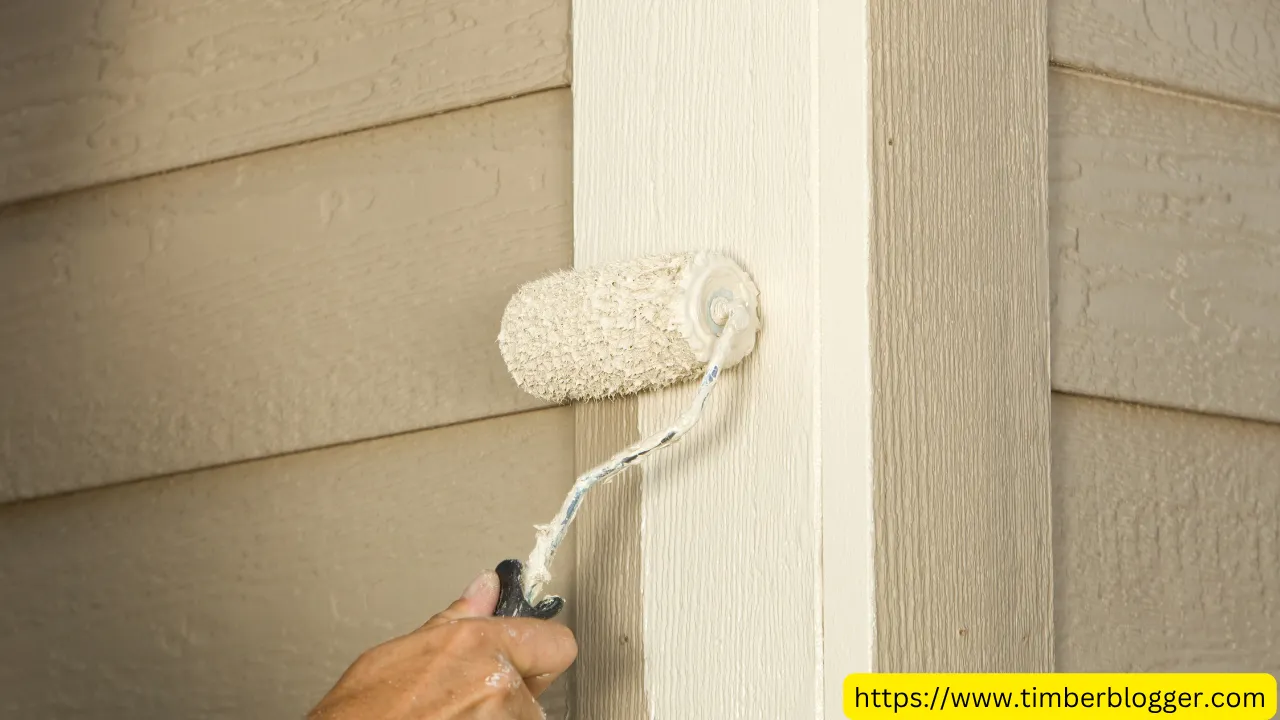
Yes, you can paint vinyl siding if it is in good condition and you use an exterior paint and color approved for vinyl. Painting can refresh faded siding or give your home a new look without replacing it.
However, preparation and paint selection matter. Vinyl expands and contracts with temperature changes, and certain dark colors can absorb enough heat to cause warping. Before you begin, check your siding manufacturer’s instructions and warranty, then choose a paint system designed for vinyl.
In this guide, we’ll cover how to paint vinyl siding, what paint to use, and when replacement may be a better choice.
Should You Paint Vinyl Siding?
Painting is worth considering when your siding is structurally sound but looks faded, stained, or outdated. A fresh coat can improve curb appeal and allow you to change the color of your home.
Painting may be a good option if:
- The siding is securely attached and in good condition.
- Most of the problem is fading or discoloration.
- You want to update the color.
- Your siding manufacturer permits painting.
- You are comfortable maintaining the painted finish in the future.
However, paint cannot repair cracked panels, fix a moisture problem behind the siding, or correct poor installation. If your siding has extensive damage, have it inspected before deciding whether to paint or replace it.
What Kind of Paint Should You Use on Vinyl Siding?
Use a high-quality exterior paint specifically approved for vinyl siding. Many suitable products are water-based acrylic or acrylic latex paints designed to adhere to vinyl and move with the siding as temperatures change.
Before purchasing, check the paint label or technical data sheet for:
- Compatibility with vinyl siding.
- Approved colors and tint formulas.
- Primer requirements.
- Recommended application temperatures.
- Coverage and drying times.
For example, Sherwin-Williams offers a VinylSafe color palette for use with selected paint products. Benjamin Moore also provides guidance on painting vinyl siding and recommends checking both the siding manufacturer’s instructions and the paint’s technical data sheet. Sherwin-Williams
Tip: Don’t assume that every exterior paint is suitable for vinyl. Ask the paint supplier to confirm that both the product and the color formula are approved for your siding.
Can You Paint Vinyl Siding a Darker Color?
You may be able to paint vinyl siding a darker color, but only if the siding manufacturer and the paint system allow it.
Conventional darker colors can absorb more solar heat than the original siding color. This can cause the vinyl to become hot enough to warp or buckle. Some manufacturers offer specially formulated darker colors designed to reduce that risk, but compatibility depends on the specific paint, tint, and siding.
If you cannot verify that a darker color is acceptable, choose a color the same shade or lighter than the original siding and follow the manufacturers’ instructions. Also check whether painting or changing the color affects your siding warranty. Sherwin-Williams
How to Paint Vinyl Siding
Painting vinyl siding is a manageable DIY project for some homeowners, but it requires careful cleaning and preparation. For a multistory home or hard-to-reach areas, hiring a professional may be safer and more practical.
Materials You’ll Need
- Exterior paint approved for vinyl siding
- Vinyl-compatible primer, if required
- Mild siding cleaner
- Soft-bristle brush or soft cloth
- Garden hose
- Paintbrush, roller, or paint sprayer
- Painter’s tape and drop cloths
- Ladder and appropriate safety equipment
1. Inspect the Siding
Walk around the house and look for cracked, loose, warped, or damaged panels. Replace damaged sections and address any moisture or installation problems before painting.
Also check the siding manufacturer’s warranty. Painting may affect coverage, so review its terms before you buy supplies.
2. Clean the Surface Thoroughly
Dirt, mildew, chalky residue, and loose paint can prevent a new coating from adhering properly.
Wash the siding with a cleaner recommended by the siding or paint manufacturer. Use a soft brush or cloth to remove dirt, rinse thoroughly, and allow the surface to dry completely.
If you use a pressure washer, follow the siding manufacturer’s instructions. Excessive pressure or spraying upward can force water behind the panels. Avoid mixing cleaning chemicals, and follow the cleaner’s label.
3. Choose the Right Weather
Paint when the temperature, humidity, and drying conditions meet the paint manufacturer’s recommendations.
Avoid painting in rain, strong wind, or intense direct sunlight. A very hot surface can cause paint to dry too quickly, while moisture can interfere with proper drying and adhesion.
4. Protect Windows, Trim, and Plants
Cover nearby plants and surfaces you don’t want to paint. Use painter’s tape around windows, doors, light fixtures, and trim as needed.
If you’re using a sprayer, take extra care to protect nearby vehicles and other surfaces from overspray.
5. Apply Primer If Required
Primer is not always necessary for vinyl siding. Whether you need it depends on the paint system and the condition of the surface.
A manufacturer may recommend a compatible primer for certain problem areas or surfaces. If the siding remains heavily chalky after cleaning, follow the product instructions for dealing with the residue before applying any coating.
6. Apply the Paint
Apply the paint with a brush, roller, or sprayer according to the product directions. Work in manageable sections and aim for an even coat.
Keep the siding’s drainage openings clear, and avoid applying so much paint around joints or overlaps that the panels cannot move as intended.
Let the first coat dry for the time specified on the label, then apply a second coat if the manufacturer recommends it. Two coats are often used for more consistent coverage and color.
7. Allow the Paint to Cure
Paint may feel dry before it has fully cured. Follow the manufacturer’s instructions for drying and curing, and protect the finish from rain or contact as directed.
Do You Need to Sand Vinyl Siding Before Painting?
Usually, vinyl siding does not need to be sanded like wood. The main priority is to create a clean, dry, sound surface that meets the paint manufacturer’s preparation requirements.
If the siding was previously painted and the old coating is peeling, remove loose paint as directed by the coating manufacturer. Avoid aggressive sanding that could damage the vinyl.
How Long Does Paint Last on Vinyl Siding?
There is no guaranteed lifespan for painted vinyl siding. A properly prepared and painted surface can last for several years, but results depend on:
- The condition of the siding before painting
- How thoroughly the surface was cleaned
- The paint and color selected
- Sun exposure and local weather
- The quality of application
- Ongoing maintenance
South-facing walls or areas exposed to intense sun may weather faster than shaded areas. Inspect the finish periodically for fading, peeling, or other damage.
Is It Cheaper to Paint or Replace Vinyl Siding?
Painting is generally less expensive upfront than replacing siding, especially when the existing panels are in good condition. The actual difference depends on your home’s size, local labor costs, accessibility, and the amount of preparation or repair needed.
When comparing quotes, consider more than the initial price. Painted siding may need touch-ups or repainting later, while replacement gives you new panels and an opportunity to inspect and address problems underneath.
| Consideration | Painting | Replacement |
|---|---|---|
| Initial cost | Generally lower | Generally higher |
| Best for | Sound siding with fading or an outdated color | Siding with widespread damage or other problems |
| Time | Usually less disruptive | Often takes longer |
| Maintenance | Painted finish may need future touch-ups or repainting | Depends on the siding product and conditions |
| Underlying problems | Does not fix problems behind the siding | Allows access for inspection and repairs |
For an accurate comparison, ask local contractors for written estimates based on your home.
When Should You Replace Vinyl Siding Instead?
Painting is primarily a cosmetic improvement. Replacement may be the better option when you notice:
- Widespread cracking or broken panels
- Severe warping or buckling
- Loose siding throughout the exterior
- Signs of moisture damage behind the siding
- Repeated problems caused by improper installation
- Extensive damage that would be costly to repair before painting
If you suspect trapped moisture or damage behind the siding, have a qualified contractor inspect it before covering the problem with paint or new panels.
Pros and Cons of Painting Vinyl Siding
Pros
- Refreshes faded or outdated siding.
- Lets you change your home’s exterior color.
- Generally costs less upfront than replacement.
- Can improve curb appeal when done correctly.
Cons
- Requires thorough preparation.
- The finish may need maintenance or repainting.
- Color choices can be limited by heat concerns.
- Painting may affect the siding warranty.
- Paint will not repair damaged siding or underlying moisture problems.
Frequently Asked Questions
Can you paint vinyl siding yourself?
Yes. If the siding is accessible and in good condition, many homeowners can paint it themselves. Follow the siding and paint manufacturers’ instructions, prepare the surface carefully, and use suitable safety equipment.
Will paint peel off vinyl siding?
It can peel if the siding is dirty, chalky, wet, or coated with an incompatible paint. Proper cleaning, preparation, and product selection improve adhesion, although no paint job is permanent.
Can you paint vinyl siding black?
Some paint systems offer vinyl-approved black or very dark colors. However, dark colors can increase heat absorption and the risk of warping. Use black only when the specific siding and paint manufacturers approve the product and color combination.
Does painting vinyl siding void the warranty?
It can affect warranty coverage, but the terms vary by manufacturer and product. Review your warranty or contact the siding manufacturer before painting.
Can you paint old vinyl siding?
Yes, as long as it is clean, sound, and suitable for coating. Repair damaged areas first, and follow the paint manufacturer’s instructions for chalky or previously painted surfaces.
Can you paint vinyl siding that looks like wood?
Yes. Vinyl siding with a wood-grain texture can usually be painted if the siding and paint manufacturers permit it. The texture will remain visible under the paint, although paint cannot turn vinyl into real wood.
Final Thoughts
Painting vinyl siding can be a practical way to refresh your home when the panels are still in good condition. The most important steps are to check the warranty, clean the surface thoroughly, and choose a vinyl-approved paint and color.
If your siding is cracked, severely warped, or showing signs of moisture damage, address those problems first. A fresh coat of paint can improve appearance, but a sound exterior starts with siding that is properly installed and maintained.