
Red maple and silver maple are two of the most common maple trees in North America. They may look similar at first, but they have some clear differences in appearance, wood properties, and uses.
In this guide, you’ll learn how to easily identify them and understand which one is better for your needs.
What is Red Maple?
Acer rubrum is commonly known as red maple, soft maple, swamp maple, or water maple. It is native to eastern and central North America.
This tree is popular for its bright red features, including its flowers, fruits, and twigs. Because of its attractive look, it is often planted in parks and gardens as a shade tree.
What is Silver Maple?
Acer saccharinum is commonly known as silver maple, creek maple, or white maple. It is native to the eastern United States and parts of Canada.
Silver maple is also widely used as a shade tree. It grows quickly and is easy to maintain, making it a good option for large outdoor spaces.
Key Differences
Red maple and silver maple differ in size, strength, and wood quality.
Red maple typically grows between 65 and 100 feet tall, while silver maple can reach up to 115 feet. Red maple wood is harder and heavier, which makes it more durable compared to silver maple.
In terms of hardness, red maple is stronger, while silver maple is softer and easier to shape.
Both woods have a similar light golden to reddish-brown color and are not naturally resistant to rot.
Best Uses
Red maple is commonly used for boxes, crates, pallets, and flooring. It is a good choice for flooring because it resists scratches and dents better than silver maple.
Silver maple is often used for furniture, cabinets, and veneer. It is easier to work with, which makes it a popular option for detailed woodworking. It is also an important food source for squirrels during spring.
Workability
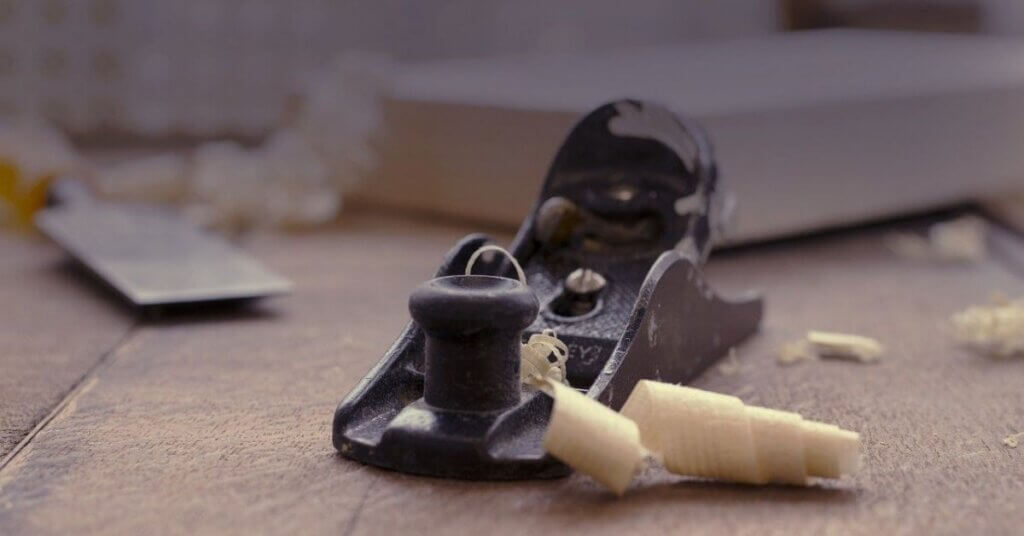
Both types of maple are easy to work with using hand tools and machines.
They cut, shape, glue, and finish well. However, you may face minor issues when using high-speed tools like routers.
Overall, both woods are considered beginner-friendly for woodworking.
Rot Resistance
Neither red maple nor silver maple is rot-resistant. Both types of wood can decay quickly if exposed to moisture or ground contact.
If you plan to use maple wood outdoors, sealing is very important. Proper sealing helps protect the wood and improves its appearance.
Allergies and Safety
Some people may experience skin irritation, runny nose, or asthma-like symptoms when working with maple wood.
It’s a good idea to wear gloves, protective glasses, and a mask while working with it, especially if you are sensitive to wood dust.
Growth Rate
Both red maple and silver maple grow at a medium to fast rate.
On average, they grow about 12 to 24 inches per year. Growth speed can vary depending on climate, soil, and water availability.
They grow best in moist soil with good drainage.
How to Identify Red Maple vs Silver Maple
The easiest way to tell them apart is by looking at their leaves, bark, flowers, and fruits.
Red maple leaves usually have 3 to 5 lobes and are slightly smaller. In fall, they turn bright red or purple. Its young bark is smooth and light brown, but it becomes darker and rough with age. Red maple flowers appear in early spring, usually between March and April.
Silver maple leaves have 5 deep lobes, with the middle lobes being more prominent. The leaves are larger and have a silvery underside. Its bark starts smooth but becomes deeply ridged as the tree ages. Silver maple flowers bloom earlier, typically between February and March.
Both trees produce winged fruits called samaras, but they differ slightly in size and color.
Pros and Cons of Red Maple
Red maple is a fast-growing and attractive tree that works well as an ornamental plant. It can grow in different soil types and does not require much maintenance.
However, it has shallow roots, which can make it difficult for grass or other plants to grow nearby. It is also prone to fungal diseases and is not resistant to rot. Some people may also experience allergic reactions.
Pros and Cons of Silver Maple
Silver maple spreads widely and provides excellent shade, making it a great choice for large yards.
It has no noticeable odor and is considered a sustainable wood.
On the downside, its branches are weak and can break easily during strong winds. Like red maple, it is not rot-resistant and may cause allergic reactions in some people.
Sustainability
Both red maple and silver maple are considered sustainable wood options. They are not listed in endangered species lists and are widely available.