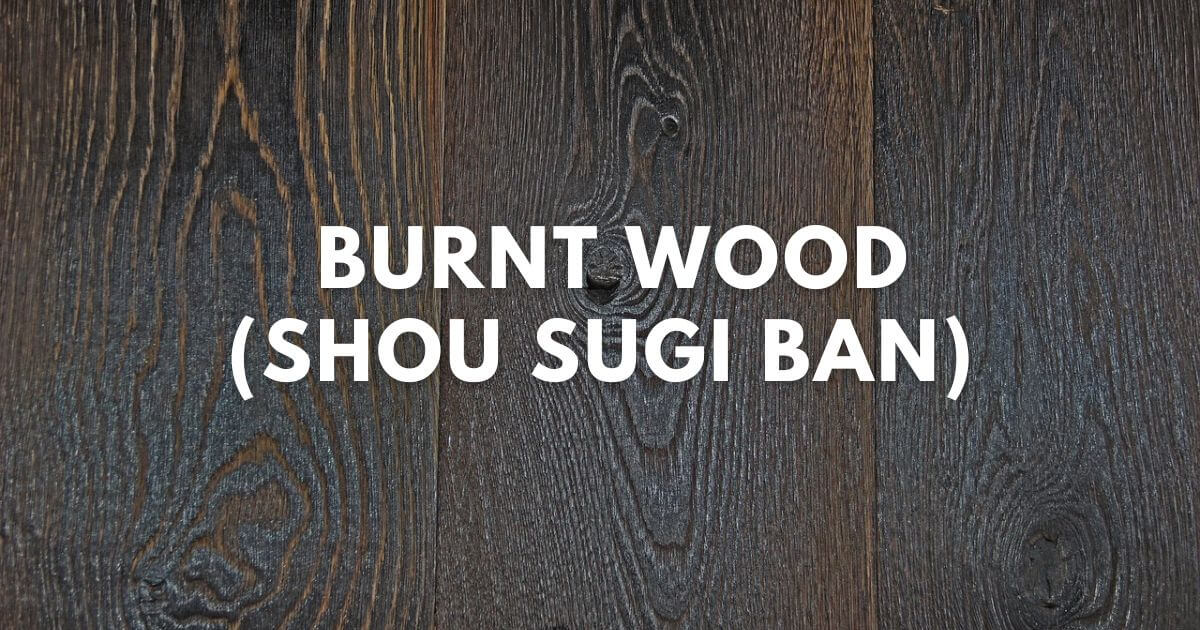
What is Burnt Wood (Shou Sugi Ban)?

Burnt Wood (Shou Sugi Ban)

Burnt wood, also called charred wood, is wood that has been intentionally exposed to high heat to create a carbonized surface. This traditional technique can improve the wood’s resistance to decay, weathering, and insects while also creating a distinctive dark appearance. One of the best-known traditional forms of wood charring is Shou Sugi Ban, more … Read more
What Is Rubberwood? Uses, Pros, Cons & Properties

What Is Rubberwood And What Is It Used For?

Rubberwood is a light-colored tropical hardwood from the rubber tree, Hevea brasiliensis. The tree is best known for producing natural latex, but once latex production declines, plantation trees can also be harvested for lumber. This makes rubberwood an important material for furniture, cabinets, panels, flooring, and many indoor wood products. It is also called parawood, … Read more

Parquet Flooring: Types, Patterns, Cost, Installation and Care

What is Parquet Flooring

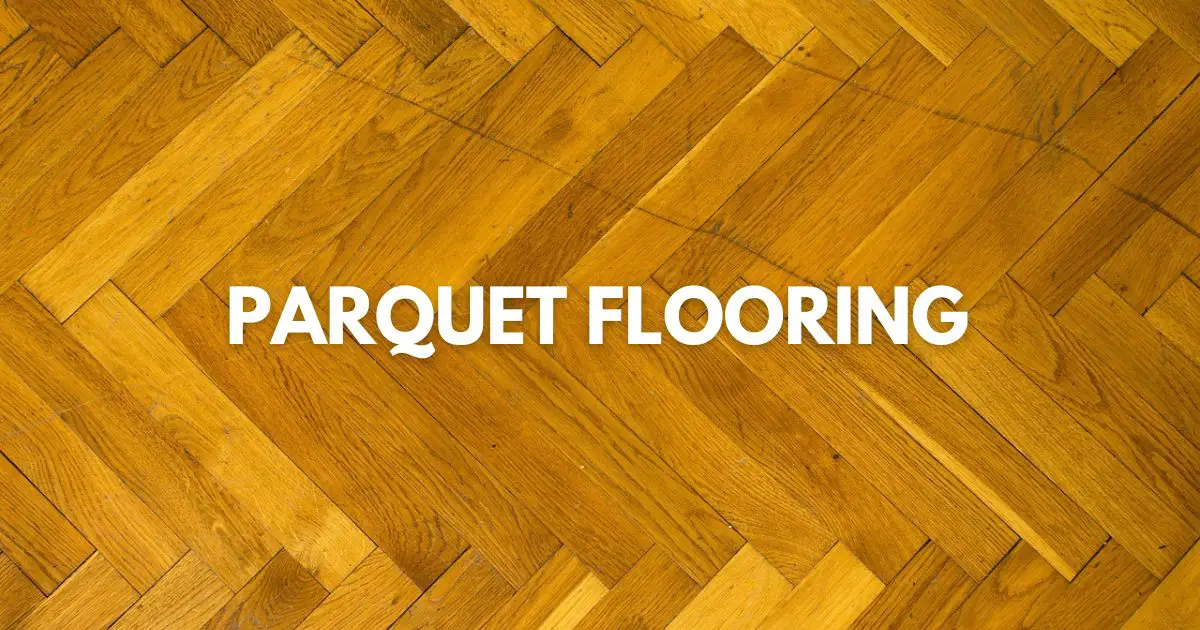
Parquet flooring is a type of wood flooring made from small pieces or blocks of wood arranged in decorative geometric patterns. Unlike traditional wood flooring, where long planks are usually installed in parallel rows, parquet flooring creates patterns such as herringbone, chevron, basketweave, brick bond, and Versailles. Parquet flooring can be made from solid hardwood … Read more

Rubberwood vs Solid Wood

Rubberwood vs Solid Wood

The main difference between rubberwood and solid wood is that rubberwood is one specific type of solid hardwood, while solid wood is a broad category that includes many different wood species. Rubberwood is commonly used for furniture, cabinets, flooring, and interior applications, while some solid wood species are suitable for both interior and exterior applications. … Read more

Tulipwood Properties | Uses, Pros and Cons

Tulipwood Properties Uses, Pros and Cons

Tulipwood is a hard, durable, and insect-resistant hardwood. It is a light-colored hardwood used for woodworking and other construction applications. Tulipwood is also known as “Tulip Lancewood” and “Brazilian Tulipwood.” It comes from a small to medium-sized rainforest tree native to northeastern Brazil. Brazilian tulipwood is considered a true rosewood in the Dalbergia genus. The … Read more

Aspen wood Properties, Uses, Pros, and Cons

Aspen wood Properties, Uses, Pros, and Cons

Aspen wood is known for its light color, which ranges from almost white to pale yellow. It has a straight grain and a relatively fine texture. The wood is soft, lightweight, and easy to work with, making it suitable for various lightweight applications. Aspen wood comes from the medium-sized deciduous tree, which is widely distributed … Read more