
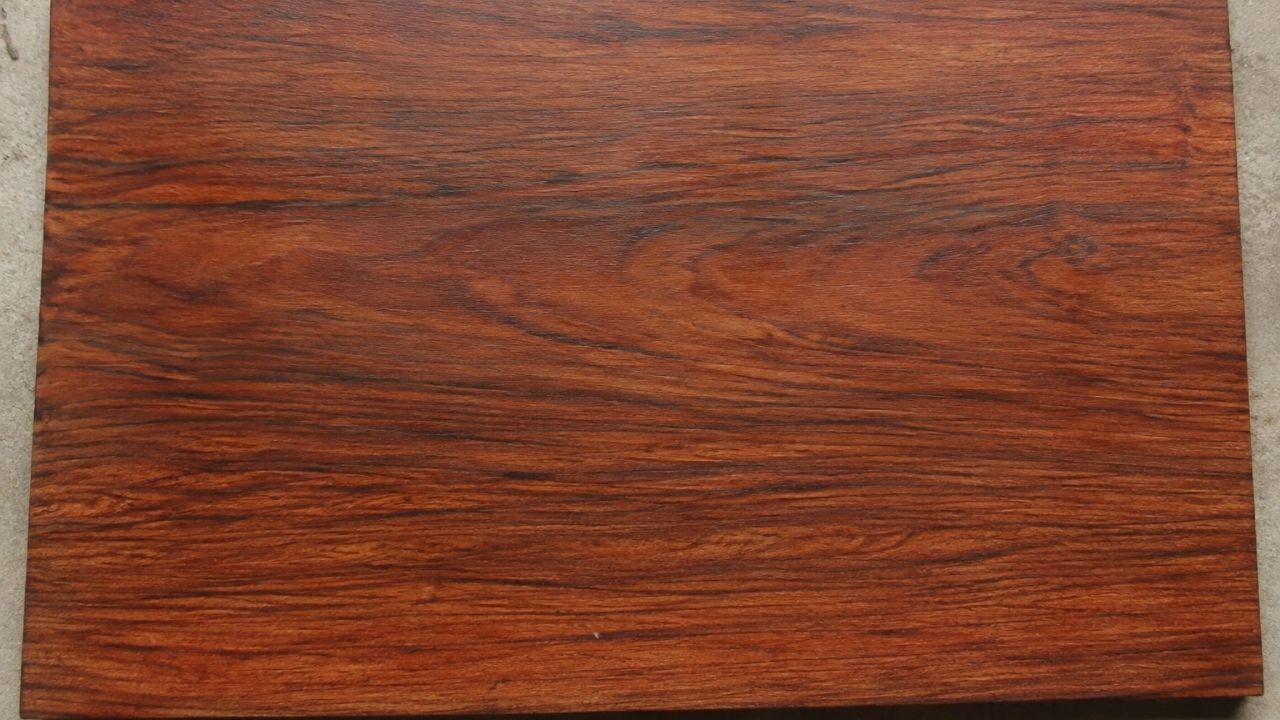
Jatoba wood can be a sustainable choice when it is legally and responsibly sourced, but its sustainability depends heavily on how and where the wood is harvested. Jatoba (Hymenaea courbaril) is native to tropical regions of Central and South America and is valued for its strength, durability, and long service life.
Because Jatoba is a long-lasting hardwood, products made from it can remain useful for many years. However, responsible forest management and legal sourcing are important because tropical hardwoods can face pressure from logging and habitat loss.
Table of Contents
What Is Jatoba Wood?
Jatoba wood comes primarily from Hymenaea courbaril, a large tropical tree found across parts of Central and South America and the Caribbean. It is commonly known as Brazilian cherry and is valued for its reddish-brown color, high density, hardness, and durability.
Jatoba is commonly used for flooring, furniture, cabinetry, decking, tool handles, musical instruments, and other woodworking applications.
Is Jatoba Wood Sustainable?
Yes, Jatoba wood can be sustainable if it comes from responsibly managed and legally harvested forests. However, it should not automatically be considered sustainable simply because it is a natural or renewable material.
The sustainability of Jatoba depends on several factors, including:
- Where the wood comes from
- How it was harvested
- Whether the forest is responsibly managed
- Whether the wood was legally sourced
- Whether harvesting allows forests to regenerate
- Whether the supplier can provide reliable sourcing information
- How long the finished product is expected to last
Jatoba’s durability is one of its advantages from a sustainability perspective. A long-lasting product does not need to be replaced as frequently, which can reduce the demand for additional materials over its useful life.
Why Is Jatoba Considered Sustainable?
There are several characteristics that can make Jatoba a sustainable wood choice when it is responsibly sourced.
1. It Is a Renewable Resource
Like other trees, Jatoba can regenerate through natural growth and forest management. When forests are properly managed and trees are harvested at sustainable rates, timber can be produced without permanently removing the forest resource.
However, being renewable does not automatically mean that every source of Jatoba is sustainable. Unsustainable harvesting can still damage forests and reduce natural populations.
2. Jatoba Is Very Durable
Jatoba is a dense and hard hardwood with excellent resistance to wear and tear. It is particularly popular for flooring because it can withstand heavy use.
Its long service life can contribute to sustainability because durable products generally need to be replaced less frequently.
For example, a well-maintained Jatoba floor can remain useful for many years, reducing the need for frequent replacement.
3. It Can Be Used for Long-Term Applications
Jatoba is suitable for products such as flooring, furniture, cabinetry, and specialty woodworking projects.
When a wood product remains in use for decades, the carbon stored in the wood also remains contained for that period. This can be an advantage compared with materials that have much shorter service lives.
4. It Requires Relatively Little Maintenance
Jatoba’s natural durability means that it can perform well without excessive maintenance when used in appropriate applications.
Proper finishing and maintenance can further extend the useful life of Jatoba products.
Is Jatoba Wood Environmentally Friendly?
Jatoba can be an environmentally friendly material when it comes from a well-managed and legal source.
However, the environmental impact of Jatoba depends more on its source and harvesting practices than simply on the species itself.
Responsible forestry can help maintain forest ecosystems while providing timber for commercial use. In contrast, illegal logging and poorly managed harvesting can contribute to habitat destruction, biodiversity loss, and forest degradation.
Therefore, it is important to consider the entire supply chain when purchasing Jatoba.
Is Jatoba an Endangered Wood?
Jatoba should not simply be described as an endangered wood. The conservation status of a species can vary according to the specific species, geographic region, and assessment being considered.
The most important consideration for buyers is to determine whether the particular Jatoba product has been legally and responsibly harvested.
Buying wood from a reputable supplier and looking for recognized forest-certification documentation can help reduce the risk of purchasing timber from questionable sources.
Is Jatoba FSC Certified?
Jatoba itself is not automatically FSC certified. FSC certification applies to forests, forest-management operations, and supply chains rather than making an entire wood species automatically certified.
Therefore, some Jatoba lumber may come from FSC-certified sources, while other Jatoba products may not.
If sustainability is important to you, look for FSC-certified or otherwise responsibly sourced Jatoba and ask the supplier for documentation showing where the wood came from.
How to Buy Sustainable Jatoba Wood
If you want to purchase Jatoba while reducing its environmental impact, consider the following steps:
Buy From a Reputable Supplier
Choose a supplier that can clearly explain the origin of its Jatoba lumber. Avoid sellers who cannot provide basic information about where their wood comes from.
Look for Certification
Forest certification can provide additional assurance that timber comes from a managed and traceable source. Depending on the product and market, certifications such as FSC can be useful indicators of responsible sourcing.
Ask About Legal Sourcing
Ask whether the Jatoba was legally harvested and whether the supplier can provide documentation of its origin.
Consider Reclaimed Jatoba
Reclaimed wood can be an excellent option because it gives existing timber another use without requiring the harvesting of a new tree.
Reclaimed Jatoba can also have an attractive aged appearance, making it suitable for furniture, flooring, and decorative projects.
Buy Only What You Need
Using the correct amount of lumber and minimizing waste is another simple way to make a woodworking project more sustainable.
Small offcuts can sometimes be reused for smaller projects, handles, decorative items, or other woodworking applications.
Is Jatoba Better Than Other Woods for Sustainability?
There is no single wood species that is always the most sustainable choice.
Jatoba may be a good option when it is responsibly sourced and used for a long-lasting application. However, locally available certified wood can sometimes have advantages because transportation distances may be shorter and local forestry practices may be easier to verify.
The best choice depends on the source, certification, transportation, durability, and intended use of the wood.
Jatoba Wood and Carbon Storage
Trees absorb carbon dioxide while growing and store carbon in their wood. When Jatoba is turned into a long-lasting product such as flooring or furniture, some of that stored carbon remains in the product for as long as it stays in use.
However, the overall climate impact of timber also depends on harvesting, transportation, processing, forest management, and what happens to the product at the end of its life.
For this reason, responsible forest management is an important part of the sustainability equation.
Is Jatoba Wood a Good Sustainable Choice for Flooring?
Jatoba can be a good sustainable flooring choice when it is responsibly sourced.
Its high hardness and durability make it suitable for areas with heavy foot traffic. Because it can remain functional for many years and can potentially be refinished, a Jatoba floor may have a long useful life.
However, buyers should verify the source of the lumber and consider certified or reclaimed Jatoba when possible.
Pros and Cons of Jatoba Sustainability
Pros
- Highly durable and long-lasting
- Suitable for demanding applications
- Can be sourced from responsibly managed forests
- Can store carbon throughout its service life
- Suitable for long-term flooring and furniture
- Reclaimed Jatoba can be reused
Cons
- Tropical hardwood sourcing can raise environmental concerns
- Illegal logging can threaten forest ecosystems
- Transportation can add environmental impacts
- Not all Jatoba lumber is certified
- Responsible sourcing can be more expensive
FAQ
Is Jatoba Wood Eco-Friendly?
Jatoba wood can be eco-friendly when it is legally and responsibly harvested from well-managed forests. Its durability and long service life are additional advantages, but the environmental impact depends heavily on its source and supply chain.
Is Jatoba Wood a Renewable Resource?
Yes, Jatoba is a renewable natural resource because trees can be replanted and forests can regenerate. However, harvesting must be properly managed to prevent forest degradation and ensure long-term regeneration.
Is Jatoba Wood FSC Certified?
Some Jatoba products may come from FSC-certified forests or supply chains, but Jatoba as a species is not automatically FSC certified. Check the product and supplier documentation to verify certification.
Is Jatoba Wood Sustainable for Flooring?
Yes, Jatoba can be a sustainable flooring option when responsibly sourced. Its high hardness and durability allow it to withstand heavy use and remain functional for many years.
Is Reclaimed Jatoba Sustainable?
Yes, reclaimed Jatoba can be a particularly sustainable option because it reuses existing wood rather than requiring newly harvested timber. It can also extend the useful life of wood that might otherwise be discarded.
How Can I Buy Sustainable Jatoba Wood?
Buy Jatoba from a reputable supplier that can provide information about its origin and harvesting practices. Look for recognized certification, such as FSC, and consider reclaimed Jatoba when it is suitable for your project.
Final Thoughts
Jatoba wood can be a sustainable choice, but responsible sourcing is essential. Its durability, strength, and long service life make it attractive from a sustainability perspective, but these benefits do not eliminate the environmental concerns associated with poorly managed or illegal harvesting.
If you want sustainable Jatoba, look for legally sourced, responsibly managed, certified, or reclaimed wood. Choosing a trustworthy supplier and buying only the amount you need can also help reduce the environmental impact of your project.