
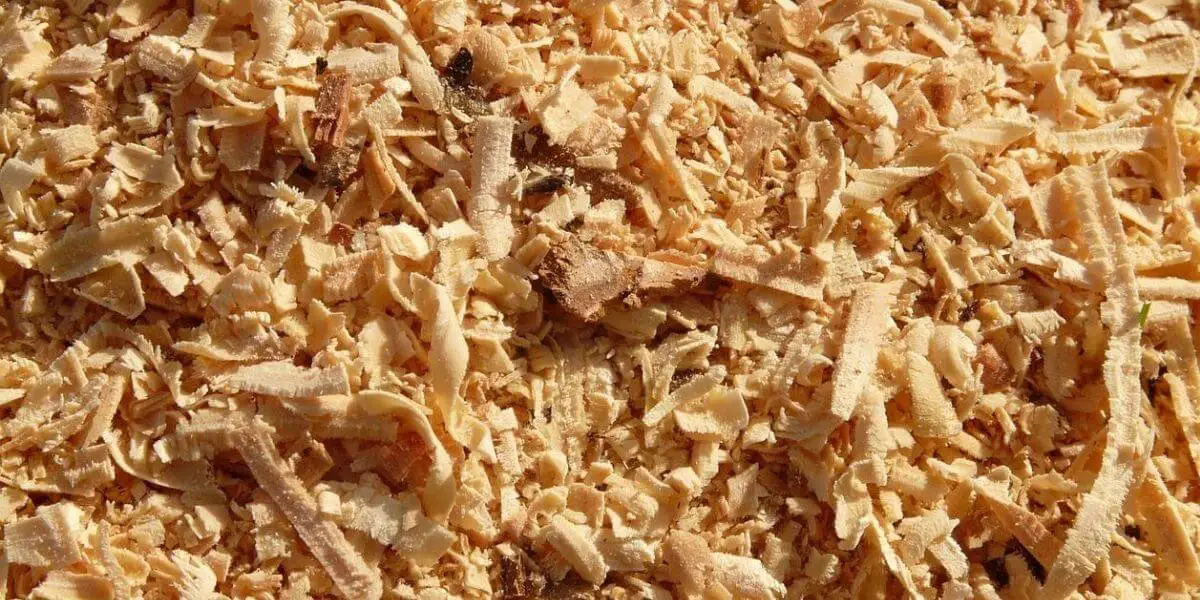
Wood filler is used to fill small cracks, holes, gaps, and imperfections in wood surfaces. While ready-made wood fillers are widely available, you can make a simple wood filler at home using fine sawdust and PVA wood glue.
Making your own filler is inexpensive and can be useful for small woodworking repairs. For a better color match, use sawdust from the same or a very similar type of wood you are repairing.
However, homemade sawdust-and-glue filler is best suited to small, non-structural repairs. It is not a replacement for epoxy or specialized exterior wood filler when the repair needs high strength, flexibility, or significant water resistance.
What You Need to Make Wood Filler
You only need a few materials and tools:
- Fine sawdust
- PVA wood glue
- Mixing container
- Putty knife
- Fine-grit sandpaper or an electric sander
Water is optional and usually not necessary. Adding too much water can weaken the mixture and increase drying time.
How to Make Wood Filler
Step 1: Make Fine Sawdust
Collect fine sawdust from the same type of wood, if possible. This can help the repaired area blend better with the surrounding wood.
You can make fine sawdust by sanding a piece of the same wood with fine-grit sandpaper. Avoid using large wood chips because they will make the filler difficult to spread and finish.
Step 2: Add PVA Wood Glue
Place a small amount of fine sawdust in a clean container and add PVA wood glue.
There is no universal mixing ratio because the amount of glue required depends on the fineness and dryness of the sawdust. Instead of following a strict 1:1 ratio, add glue gradually until you get a thick, workable paste.
The mixture should be thick enough to stay in the crack or hole but soft enough to spread with a putty knife.
Step 3: Mix the Filler
Mix the sawdust and glue thoroughly until the sawdust is evenly coated.
If the mixture is too dry, add a little more glue. If it is too runny, add more fine sawdust.
Make only the amount you need because PVA-based filler can begin to dry relatively quickly.
How to Use Sawdust as Wood Filler
Once your homemade filler is ready, follow these steps to repair the wood.
1. Clean the Surface
Remove dust, dirt, loose wood fibers, and debris from the crack, hole, or damaged area.
The surface should be clean and reasonably dry before applying the filler.
2. Apply the Filler
Use a putty knife to press the filler into the crack, hole, or gap.
Slightly overfill the damaged area because the filler can be sanded flush after it dries.
For deeper holes, applying the filler in more than one layer can give better results than filling a deep cavity all at once.
3. Let the Filler Dry
Allow the filler to dry completely before sanding.
Drying time depends on the size and depth of the repair, the amount of glue used, temperature, humidity, and ventilation.
Do not sand the filler while it is still soft or tacky.
4. Sand the Surface
After the filler has completely dried, sand it until it is level with the surrounding wood.
Start with an appropriate medium-grit sandpaper if necessary and finish with a finer grit for a smoother surface.
Remove the sanding dust before applying paint, stain, or another finish.
5. Apply the Finish
Once the repaired area is smooth and clean, you can paint, stain, or finish the wood.
Keep in mind that homemade sawdust filler may not absorb stain in exactly the same way as the surrounding wood. Test the finish on a scrap piece first if appearance is important.
Advantages of Homemade Wood Filler
Making wood filler from sawdust and PVA glue has several benefits:
- Low cost: It requires only a small amount of glue and sawdust.
- Easy to make: No complicated equipment is required.
- Convenient: You can make a small amount when needed.
- Potentially better color match: Using sawdust from the same wood can help the filler blend with the surrounding material.
- Useful for small repairs: It works well for minor holes, cracks, and imperfections.
Limitations of Homemade Wood Filler
Sawdust and PVA glue filler also has some limitations.
Not Ideal for Large Repairs
It is better suited to small holes, cracks, and gaps. Large or deep repairs may require a specialized wood filler or epoxy product.
Not Completely Waterproof
A homemade PVA-based filler should not be treated as a waterproof repair material. PVA glue products vary, and many are not designed for continuous water exposure.
For outdoor or constantly wet applications, use a filler specifically designed for those conditions.
Can Be Difficult to Stain
The repaired area may absorb stain differently from the surrounding wood. This can make the repair visible even when the filler color initially looks similar.
Can Be Harder Than the Surrounding Wood
Once the glue dries, the filler can have a different hardness and texture from the original wood. This can affect sanding and finishing.
Is Sawdust and Wood Glue a Good Wood Filler?
Yes, sawdust mixed with PVA wood glue can be a useful homemade filler for small woodworking repairs.
It works particularly well when you want to fill small nail holes, minor cracks, gaps, and surface imperfections using inexpensive materials already available in a workshop.
However, it is not the best solution for every repair. For structural repairs, large gaps, outdoor applications, or areas exposed to continuous water, choose a filler specifically designed for the intended environment.
Common Questions About Wood Filler
Is Homemade Wood Filler Waterproof?
No. A homemade mixture of sawdust and ordinary PVA wood glue should not be considered waterproof.
For outdoor or wet applications, use a product specifically designed to resist the expected moisture exposure.
Can Sawdust and Glue Be Used as Wood Filler?
Yes. Fine sawdust mixed with PVA wood glue can be used to fill small holes, cracks, and gaps in wood.
For the best appearance, use sawdust from the same type of wood whenever possible.
Is Homemade Wood Filler Stainable?
It can be stained, but the repaired area may not absorb the stain at the same rate as the surrounding wood. This can result in a visible difference in color.
Always test the stain on scrap wood or an inconspicuous area before applying it to the repair.
Can I Use Any Sawdust?
Fine sawdust from the same or similar wood is usually the best choice when appearance matters. Sawdust from a different species can produce a noticeable color difference after finishing.
Can I Add Water to Wood Filler?
It is generally better not to add water unless the specific glue manufacturer’s instructions allow it. If the mixture is too thick, adjust the consistency primarily by adding a small amount of glue or sawdust.
How Long Does Homemade Wood Filler Take to Dry?
There is no fixed drying time. Small repairs may dry relatively quickly, while deeper repairs can take several hours or longer. Temperature, humidity, ventilation, and repair size all affect drying.
Final Thoughts
Making wood filler from fine sawdust and PVA wood glue is a simple and inexpensive solution for small woodworking repairs. Using sawdust from the same wood can also help the repair blend with the surrounding surface.
For the best results, make a thick paste rather than following a fixed mixing ratio, allow the filler to dry completely, and sand it smooth before finishing.
For large, structural, outdoor, or continuously wet repairs, a specialized wood filler or epoxy product may be a better choice.
Comments are closed.