Teak is one of the most popular hardwood species used in woodworking. It has always been in high demand due to its natural rot resistance and water-resistant properties. That is why all teak species are relatively expensive.
African teak is more durable, stable, and stronger than Indian teak. Indian teak is commonly used for making furniture, cabinets, and plywood, while African teak is an excellent choice for boat building.
African Teak
African teak, also known as Afrormosia or Afromosia, is native to West Africa. It is known for its high density and excellent rot-resistant properties.
African teak is durable, stable, rot-resistant, and termite-resistant. Its grain is usually straight, with a fine, uniform texture and a good natural luster.
Indian Teak
Indian teak, also known as Teak, Burmese Teak, or Genuine Teak, is one of the most popular teak species and is native to India.
Indian teak is widely used for making furniture, durable flooring, and cabinetry. Due to its outstanding natural properties, it has always been in high demand.
| Property | African Teak | Indian Teak |
|---|---|---|
| Scientific Name | Pericopsis elata | Tectona grandis |
| Tree Size | 100–150 ft (30–46 m) tall, 3–5 ft (1–1.5 m) trunk diameter | 100–130 ft (30–40 m) tall, 3–5 ft (1–1.5 m) trunk diameter |
| Average Dried Weight | 45 lbs/ft³ (725 kg/m³) | 41 lbs/ft³ (655 kg/m³) |
| Janka Hardness | 1,570 lbf (6,980 N) | 1,070 lbf (4,740 N) |
| Wood Color | Yellowish-brown to pale yellow | Golden to medium brown |
| Workability | Easy to work with both hand and power tools | Generally easy to work |
| Rot Resistance | Good | Very rot-resistant |
| Uses | Boat building, veneer, flooring, and furniture | Ship and boat building, veneer, furniture, exterior construction, carving, turnings, and other small wooden objects |
African Teak vs Indian Teak Uses
African Teak Uses
African teak is well suited for outdoor and high-moisture applications. Due to its high density, it does not absorb moisture easily.
It is highly durable and resists decay even when exposed to moisture. That is why it is commonly used for building boats and boat components.
African teak is a very hard hardwood with a Janka hardness of 1,570 lbf (6,980 N). It is also an excellent choice for durable flooring because it is highly resistant to dents and scratches.
Indian Teak Wood Uses
Indian teak is widely used for all types of exterior construction because it contains natural oils and silica that help protect the wood from moisture, insects, and weather.
If you are looking for durable wood for high-quality indoor or outdoor furniture, Indian teak is an excellent choice.
Because of its medium density and generally straight grain, it is also widely used for carving.
Common Uses of African and Indian Teak Wood
Since teak is an expensive hardwood, using solid teak for every project is often not economical. Therefore, many teak species are also used to manufacture durable plywood and veneer sheets.
Teak plywood offers the attractive appearance of solid teak while costing considerably less.
African Teak vs Indian Teak Color
African Teak Wood Color
The heartwood of African teak ranges from yellowish-brown to olive-brown with reddish hues, while the sapwood is pale yellow.
The grain is usually straight with a fine, uniform texture and a good natural luster.
Indian Teak Wood Color
The heartwood of Indian teak ranges from golden to medium brown and gradually darkens with age. The sapwood is pale yellow.
The grain is generally straight but may occasionally be wavy or interlocked. Indian teak contains natural oils that give the wood a slightly oily or greasy feel.
African Teak vs Indian Teak Workability
Working with African Teak Wood
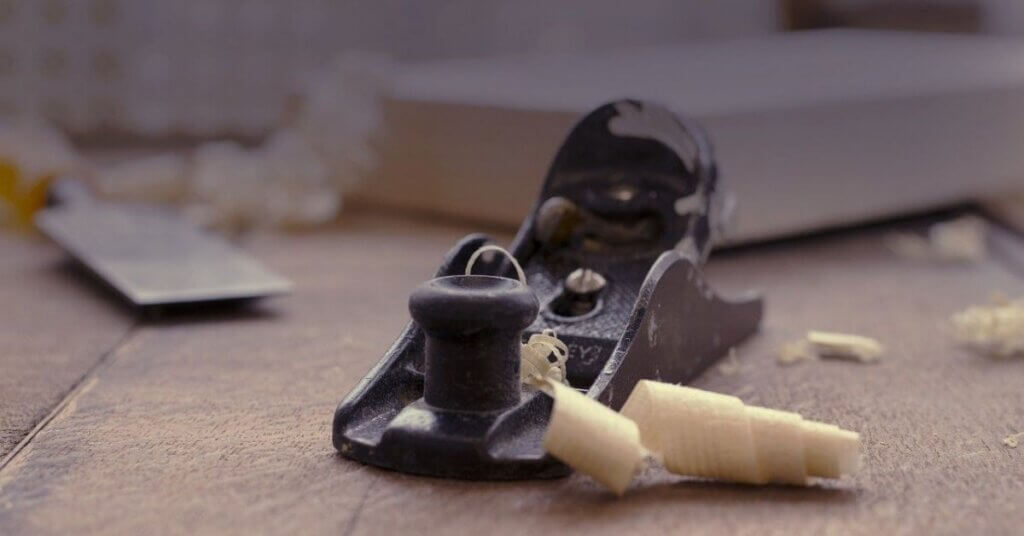
African teak is easy to work with both hand and power tools. However, interlocked or irregular grain may occasionally make machining more difficult.
Because of its high density, it has a slight blunting effect on cutting edges and may produce dark burn marks caused by friction between the blade and the wood. These marks can usually be removed by sanding.
African teak glues, stains, and finishes well. It also holds nails and screws securely.
Working with Indian Teak Wood
Indian teak is also easy to machine and work with. However, it contains a relatively high amount of silica (up to 1.4%), which can noticeably dull cutting tools over time.
Its natural oils help protect the wood from moisture and weather while giving the surface a slightly oily appearance.
Indian teak glues and finishes well and is easy to carve. Like most teak species, it produces excellent results after finishing.
Is African Teak Waterproof?
African teak has excellent natural resistance to water and can withstand harsh weather conditions and prolonged exposure to moisture.
However, it is not completely waterproof. Like all wood species, it can eventually absorb moisture under certain conditions.
With proper finishing and maintenance, African teak can last 15–20 years or more in outdoor environments, depending on the climate and level of exposure.
Conclusion
Both African teak and Indian teak are premium hardwoods known worldwide for their durability, stability, and natural resistance to decay.
Furniture made from either species requires relatively little maintenance and can last for many decades with proper care.
If you need a harder wood for flooring or boat building, African teak is an excellent choice. If you prefer a classic hardwood for furniture, cabinetry, and exterior applications, Indian teak remains one of the best options available.