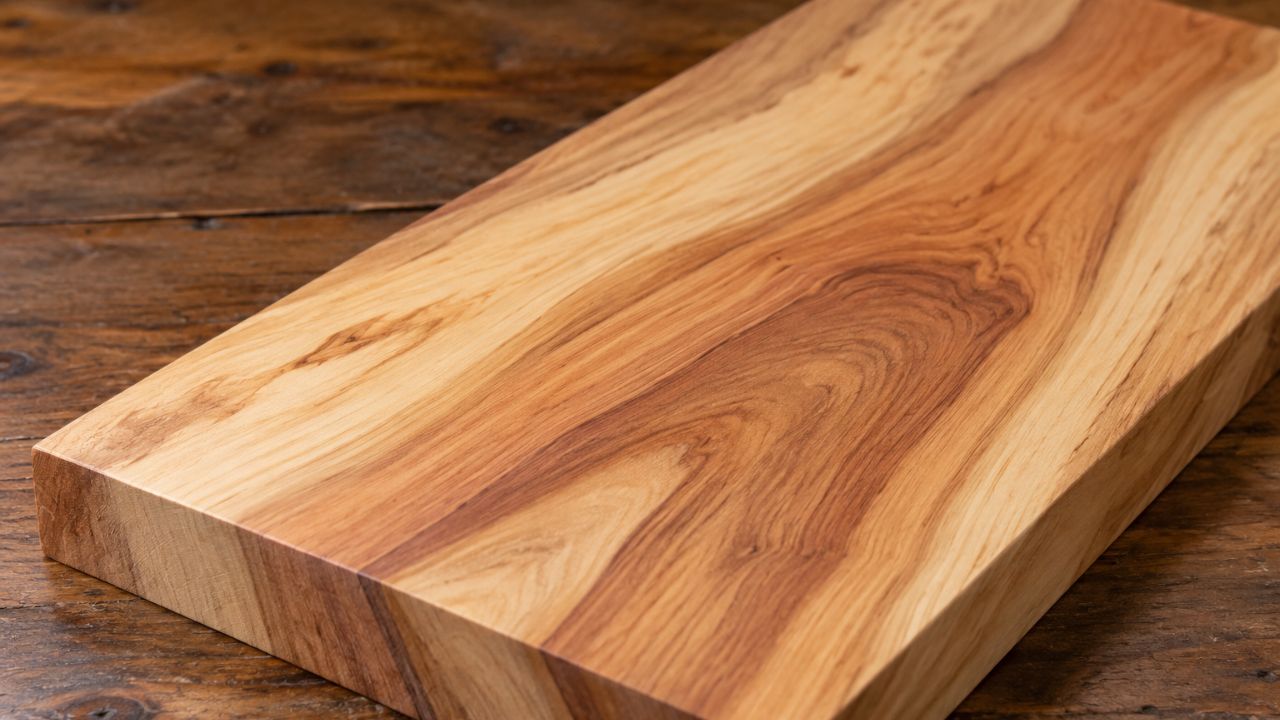
Yes, sassafras is a hardwood. American sassafras (Sassafras albidum) comes from a deciduous flowering tree, which places it in the hardwood category. However, the wood itself is relatively soft compared with many other hardwoods.
This distinction matters when choosing sassafras for furniture, flooring, or outdoor projects.
Why Is Sassafras Classified as a Hardwood?
The terms hardwood and softwood describe botanical groups rather than how difficult the wood is to dent or cut.
Hardwoods come from flowering trees, while softwoods come from conifers such as pine and spruce. Sassafras belongs to the hardwood group even though its timber is lightweight and easy to work.
A wood can therefore be a hardwood without being particularly hard.
How Hard Is Sassafras Wood?
Sassafras has a Janka hardness of approximately 630 lbf (2,800 N). The Janka test measures resistance to indentation, making it useful when comparing woods for surfaces exposed to wear.
At this hardness, sassafras can dent relatively easily. It works well for projects where easy shaping and an attractive appearance matter more than high dent resistance.
A protective finish can help reduce surface wear, but it does not significantly increase the hardness of the wood underneath.
Main Characteristics of Sassafras Wood
| Property | Description |
|---|---|
| Wood classification | Hardwood |
| Scientific name | Sassafras albidum |
| Janka hardness | Approximately 630 lbf |
| Average dried weight | Approximately 31 lb/ft³ (495 kg/m³) |
| Color | Light to medium brown |
| Grain | Usually straight, sometimes wavy |
| Workability | Generally easy to cut, shape, and finish |
These are typical values; individual boards vary.
What Is Sassafras Wood Used For?
Sassafras is used for furniture, cabinetry, millwork, boxes, and some small boatbuilding applications. Its naturally decay-resistant heartwood has also been used for fence posts.
For indoor furniture, its relatively low weight and good workability are useful advantages. However, tabletops and other heavily used surfaces need care to prevent dents.
Sassafras can also be used for flooring, but a harder species is generally more practical where heavy traffic or strong dent resistance is expected.
Is Sassafras Durable Despite Being Soft?
Yes—hardness and decay resistance are different properties.
Sassafras heartwood can resist decay while still denting easily. Its outdoor performance also depends on the board, exposure, construction, and maintenance. Natural decay resistance does not make it waterproof.
Sassafras is a good example of why the hardwood label alone should not determine your choice. Consider its actual hardness, weight, and durability alongside the needs of your project.