
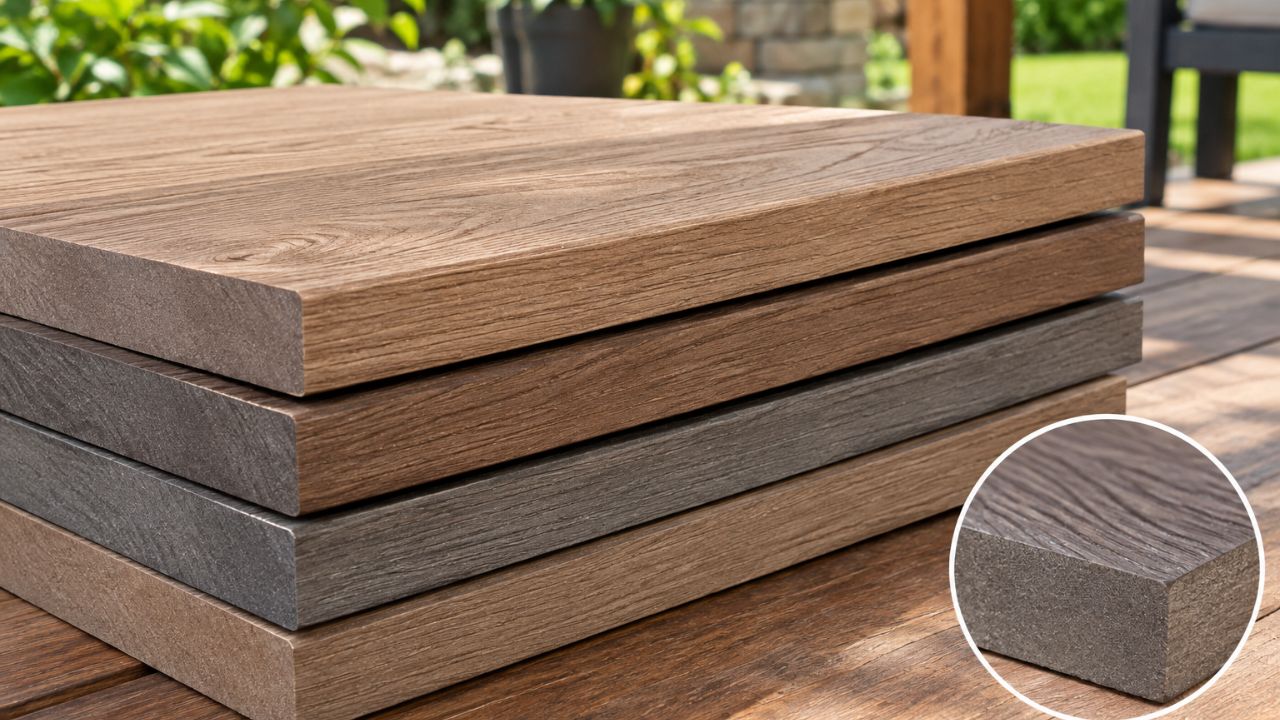
HDPE wood is a lumber-like material made from high-density polyethylene (HDPE), a type of plastic. Despite the name, it is not natural wood: most HDPE lumber contains no wood fibers. Manufacturers shape the plastic into boards that can be used for outdoor furniture, benches, decking, fencing, and other products.
Some HDPE lumber is made with recycled plastic, but materials and performance vary by manufacturer. Before buying it, check what the product contains and whether it is rated for your intended use.
Table of Contents
What Does HDPE Stand For?
HDPE stands for high-density polyethylene. It is a plastic used in many everyday products, including some milk and detergent bottles. In the United States, it is often identified by recycling code #2. U.S. Environmental Protection Agency
When HDPE is made into lumber, it may be sold as plastic lumber, recycled plastic lumber, or HDPE lumber. “HDPE wood” is a common shorthand, but it can be misleading because the material is plastic rather than wood.
How Is HDPE Lumber Made?
The manufacturing process depends on the product. A common process includes:
- Collecting and sorting plastic: Recyclable HDPE is separated from other materials.
- Cleaning and processing: The plastic is cleaned, shredded, or ground into small pieces or pellets.
- Blending ingredients: Manufacturers may add colorants, UV stabilizers, or other additives. Some products may also use virgin plastic.
- Forming the boards: The material is heated and extruded or molded into lumber-like shapes.
- Cooling and finishing: The boards are cooled, cut to size, and prepared for sale.
Not every board has the same recycled content or formula. Check the product label or ask the manufacturer for details.
HDPE Wood Properties
HDPE lumber is non-absorbent and does not behave like natural wood when exposed to water. It does not rot or splinter in the same way untreated wood can. Its color and texture depend on the manufacturer’s pigments and molding process.
Plastic also responds to temperature differently than wood. HDPE boards can expand and contract as temperatures change, so installation instructions may specify gaps, fasteners, or support spacing. The USDA Forest Service cautions that recycled plastic lumber has different thermal movement and load-bearing properties from wood, and should not replace structural wood members without appropriate specifications. USDA Forest Service guide to recycled plastic lumber
Common Uses of HDPE Wood
HDPE lumber is commonly used for:
- Outdoor chairs, tables, and benches
- Park and picnic furniture
- Boardwalks and walkways
- Fencing and selected decking products
- Planters and landscaping features
- Marine, waterfront, and agricultural products
The intended use matters. A board designed for a bench may not be suitable for a deck, structural beam, or load-bearing component. Always confirm the product’s rating and installation requirements.
Benefits of HDPE Wood
Resists moisture and rot
HDPE does not absorb water like natural lumber. This makes it useful for outdoor products exposed to rain, humidity, or splashes.
Low routine maintenance
Many HDPE products do not require sanding, painting, staining, or sealing. Routine cleaning with mild soap and water is often sufficient, though care instructions vary by product.
Does not splinter like wood
Because the material is plastic, it does not develop wood splinters in the same way natural lumber can. This can be useful for public seating and outdoor furniture.
Can use recycled plastic
Some HDPE lumber is made partly or primarily from recycled plastic. This gives certain plastic waste another use, although recycled content varies across brands and products.
Available in different colors and textures
Pigments can be blended into the material, and some products are molded with a wood-like grain. The appearance is more uniform than natural wood, but there are many color and finish options.
Limitations of HDPE Wood
It is not structural wood
HDPE lumber has different stiffness and load capacity from wood. It may bend or deflect differently under weight, so product-specific span and support instructions are important. Do not use it as a structural replacement for lumber unless the manufacturer provides the required ratings.
It can move with temperature
Plastic lumber expands and contracts with heat and cold. Follow instructions for spacing, fastening, and support to reduce problems during installation.
It may cost more upfront
Some HDPE furniture and lumber products have a higher purchase price than basic wood options. Compare the full cost, including maintenance, installation, and the product’s warranty.
It does not look exactly like wood
A grain pattern may be molded into the surface, but HDPE does not have natural grain variation. It also cannot be sanded and refinished like solid wood; some manufacturers advise against sanding because it can damage the surface.
Recycling at end of life may depend on local facilities
HDPE can be recycled, but local programs may not accept large or bulky items. The product’s additives, size, and local recycling options affect what can be done with it at the end of its service life.
HDPE Lumber vs. Wood-Plastic Composite
Although they may look similar, HDPE lumber and wood-plastic composite are not always the same. HDPE lumber is primarily plastic, though the exact formula varies. Wood-plastic composite generally combines plastic with wood fibers or wood flour. Both are manufactured materials, and both may be used outdoors, but their maintenance, appearance, installation, and performance depend on the specific product.
Read the material description instead of relying only on labels such as “composite,” “plastic wood,” or “HDPE wood.”
How to Clean HDPE Lumber
For routine cleaning:
- Brush away loose dirt.
- Wash with mild soap and water using a soft cloth or sponge.
- Rinse with clean water.
- Let the surface dry.
Use a pressure washer or stronger cleaner only if the manufacturer permits it. Avoid abrasive tools that could scratch or change the surface.
Frequently Asked Questions
Is HDPE wood real wood?
No. HDPE wood is plastic lumber made from high-density polyethylene. It may look like wood, but it does not have natural wood fibers or grain unless another material has been added.
Is HDPE lumber waterproof?
HDPE itself does not absorb water like wood, so it resists moisture well. However, the full product—including fasteners, frames, joints, and installation—still matters when it is used outdoors.
Can HDPE wood be used for decking?
Some HDPE products are designed for decking or walkways, but not all plastic lumber is suitable. Check the manufacturer’s ratings, span limits, support requirements, and installation instructions.
Does HDPE lumber need to be painted or sealed?
Many HDPE products do not need paint, stain, or sealant. Follow the manufacturer’s care guide, since coatings may not adhere well and could affect the warranty.
Is HDPE lumber environmentally friendly?
It depends on the product’s recycled content, manufacturing, transportation, service life, and end-of-life options. Look for specific information from the manufacturer rather than assuming every HDPE product is made entirely from recycled plastic.
Conclusion
HDPE wood, more accurately called HDPE lumber or plastic lumber, is a manufactured plastic material used for outdoor furniture, benches, and selected exterior applications. It resists moisture and rot and typically needs little maintenance. Its main limitations are temperature-related movement, different load-bearing properties from wood, and a more uniform plastic appearance. Check product specifications and use the boards only for applications they are rated for.