

Composite siding is exterior wall cladding made by combining two or more materials to improve performance, appearance, or durability. Depending on the product, it may contain wood fibers, plastic, resins, cement, or other ingredients.
It protects the wall assembly from direct exposure to weather and gives the building a finished appearance. Many products imitate wood grain, while others have smooth surfaces or contemporary profiles.
However, composite siding is a broad category. Engineered wood, wood-plastic composite, and fiber cement are different materials with different installation and maintenance requirements.
Understanding those differences is more useful than assuming that every composite product is waterproof, maintenance-free, or suitable for the same application.
What Is Composite Siding Made Of?
A composite combines materials with different characteristics. The ingredients and manufacturing process determine how the finished siding performs.
Not all composite siding contains recycled plastic, and not every product uses resin as its primary binder.
1. Engineered Wood Siding
Engineered wood siding typically combines wood strands or fibers with resins and protective additives. Depending on the product, these may include waxes, preservatives, and a protective surface overlay.
It is available in forms such as lap boards, panels, and shakes. Some products arrive primed for painting, while others have a factory-applied finish.
Although engineered for exterior use, it still requires correct installation, protected cut edges where specified, and maintenance of its coating.
2. Wood-Plastic Composite Siding
Wood-plastic composite, often abbreviated as WPC, combines wood fibers or flour with plastic and additives.
Some products use recycled wood and plastic. Others have a protective outer cap designed to improve resistance to staining and weathering.
WPC cladding often requires specific expansion gaps, fasteners, and support spacing. Some systems are installed over a ventilated drainage cavity.
3. Fiber Cement Siding
Fiber cement combines cement, sand, cellulose fibers, water, and other ingredients. It is technically a composite, although retailers often list it as a separate siding category.
For example, James Hardie describes its fiber cement siding as being made from sand, water, cellulose fibers, and Portland cement.
Fiber cement differs substantially from wood-plastic products in weight, cutting methods, fastening, and fire performance.
Before buying “composite siding,” confirm exactly which material the supplier means.
What Does Composite Siding Do?
Siding forms the visible outer covering of an exterior wall. It helps shed rain and protects underlying materials from direct sunlight and weather exposure.
However, siding is only one part of the wall’s moisture-management system. Flashing, a suitable water-resistive barrier, drainage details, and proper installation help manage water that gets behind it.
There is no reliable rule that composite siding doubles or quadruples a wall’s lifespan.
Also, wall siding is not roofing. Composite roofing products exist, but they are designed and tested separately. Do not install siding on a roof unless the manufacturer specifically approves that application.
Composite Siding Pros
1. Wood-Like Appearance
Many composite products reproduce the grain, texture, and profiles of traditional wood siding.
This makes them useful for homeowners who like the appearance of cedar or other wood species but want a different maintenance routine.
The result varies by product. Viewing a full-size sample outdoors is more helpful than judging a small photograph.
2. Variety of Styles and Colors
Composite siding is available in lap boards, vertical panels, shakes, shingles, and other profiles.
Factory-finished options can provide consistent color, while paintable products offer flexibility when matching an existing building.
Availability depends on the brand and region, so check delivery times and access to matching trim.
3. Potentially Lower Maintenance
Some composite products need less frequent finishing than traditional painted or stained wood.
Capped WPC products may not require routine painting, while painted engineered wood and fiber cement need coating maintenance over time.
Low maintenance still includes cleaning, inspection, and timely repairs.
4. Product-Specific Resistance to Decay and Pests
Protective treatments, plastic content, or mineral ingredients can improve resistance to particular forms of deterioration.
However, the level of protection differs between products. Wood-containing siding can still suffer when moisture enters vulnerable areas or installation requirements are ignored.
Surface mold or mildew can also develop on dirt and organic material, even when the siding itself resists decay.
5. Consistent Manufactured Dimensions
Factory-made boards and panels can simplify layout and create a consistent appearance.
Some systems include matching corners, trim, and fastening accessories. These features can help installation, although they do not remove the need for careful detailing.
6. Weathering and Color-Retention Options
Certain products include coatings or cap layers designed to improve resistance to sunlight and weather.
Compare the manufacturer’s color-retention information and warranty conditions. “UV-resistant” does not mean the color will remain completely unchanged forever.
7. Potential Value Over Time
Composite siding may provide good value when its purchase price, installation, maintenance, and expected repairs are considered together.
It is not always cheaper than wood. Premium WPC systems and complex installations can cost more than some traditional alternatives.
Composite Siding Cons
1. Higher Upfront Cost Than Some Alternatives
Many composite products cost more than basic vinyl siding.
The complete project also includes removal, wall repairs, flashing, trim, fasteners, finishing, and labor. Comparing board prices alone can be misleading.
2. Fading and Surface Changes
Color can change with sunlight, weather, dirt, and aging. Different wall elevations may weather differently because they receive different amounts of sun and rain.
Replacement boards may not perfectly match older siding.
3. Cracking, Chipping, or Swelling
Damage depends on the material.
Fiber cement can crack or chip if handled or fastened incorrectly. Wood-based products can swell where moisture protection fails. Plastic-containing products may move noticeably with temperature changes.
These problems are not caused by one universal weakness shared by all composites.
4. Less Natural Variation Than Solid Wood
Manufactured grain can repeat, and some surfaces look less convincing at close range.
For homeowners who value the unique grain and aging of real timber, solid wood may remain the preferred choice.
5. Installation Sensitivity
Incorrect clearances, fasteners, joints, or flashing can lead to problems even with a high-quality product.
Some products require specific backing or support systems. Installation errors can also affect warranty coverage.
6. Limited Repair or Refinishing Options
A damaged board or panel may need replacement.
Some products can be repainted, while others should only receive coatings specifically approved by the manufacturer. Sanding or refinishing a capped surface may damage its protective layer.
Composite Siding Styles
Material type and installation style are separate choices. For example, both engineered wood and fiber cement can be available as lap siding.
Lap Siding
Lap siding uses horizontal boards that overlap to shed water. It creates a traditional appearance and is available in different widths and textures.
Proper overlaps, clearances, and flashing are essential. Horizontal installation does not inherently make siding more prone to leaks.
Cleaning usually does not require special equipment, but avoid spraying water upward beneath the overlaps.
Vertical Siding
Vertical siding runs from top to bottom. Common designs include board-and-batten and vertical panels.
It can suit both traditional and modern buildings. However, it is not automatically more durable than horizontal siding.
Installation may require different backing, flashing, or drainage details, which can affect labor costs.
Shingle and Shake Siding
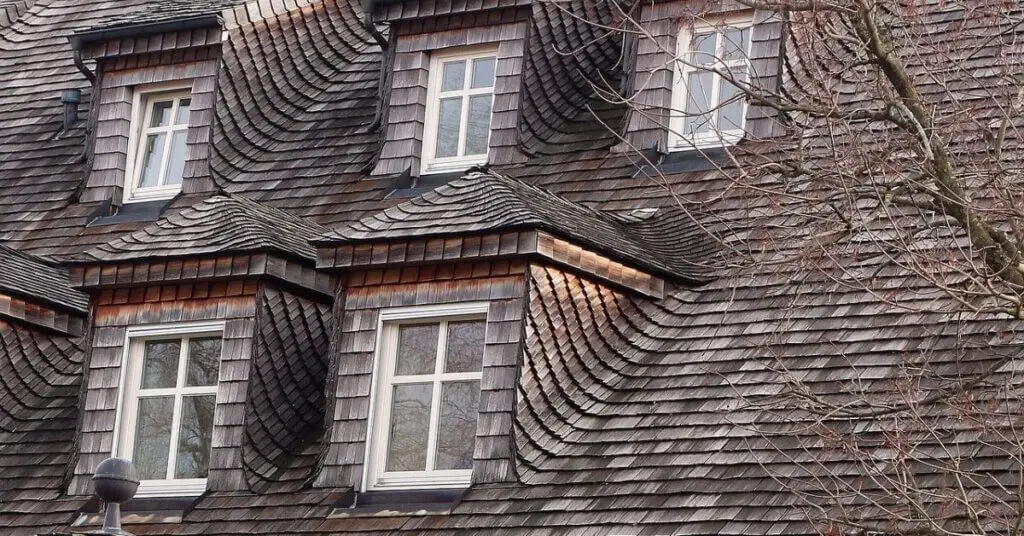
Composite shingles and shakes reproduce the appearance of individual wood pieces. They may be supplied separately or as larger panels.
They are often used on gables, accent walls, and cottage-style homes.
Dimensions and installation speed vary by product. Localized replacement may be possible, but replacing an interlocking panel can require removing adjacent pieces.
Composite Siding vs Vinyl Siding
Vinyl siding is primarily made from polyvinyl chloride, or PVC, with additives. It is generally sold separately from engineered wood and other composite cladding.
| Feature | Composite Siding | Vinyl Siding |
|---|---|---|
| Material | Varies: wood-based, wood-plastic, fiber cement, or other blends | Primarily PVC with additives |
| Initial cost | Often higher, depending on the product | Often economical |
| Appearance | Smooth or textured; some products closely imitate wood | Available in several profiles and textures |
| Painting | Required or optional for some products; unsuitable for others without approval | Usually does not require routine painting |
| Weight | Varies considerably | Generally lightweight |
| Maintenance | Product-specific cleaning, inspection, and coating care | Cleaning and inspection |
| Movement and damage | Depends on composition and installation | Must accommodate thermal movement; impact performance varies |
There is no dependable rule that all composite siding lasts twice as long as vinyl. Both categories include products capable of long service when correctly selected and installed.
How Long Does Composite Siding Last?
Many siding products are designed for service measured in decades, but there is no single lifespan for every composite material.
Performance depends on:
- Product composition and quality.
- Installation and flashing.
- Climate and exposure.
- Coating condition.
- Impact damage and maintenance.
- Moisture conditions behind the siding.
A warranty is not the same as a promised service life. Check whether it covers the substrate, finish, labor, or only certain defects, and whether coverage decreases over time.
What Affects Composite Siding Cost?
The main cost factors include:
- Material: Engineered wood, WPC, and fiber cement have different price structures.
- Wall area: Use the area being clad, not the home’s floor area.
- Building shape: Corners, windows, gables, and decorative details increase labor.
- Existing condition: Damaged sheathing or framing may need repair.
- Installation system: Furring, special clips, trim, and flashing add costs.
- Finishing: Primed products may require painting after installation.
- Access: Multiple stories and restricted working space can increase labor.
Ask contractors to quote the same scope so you can compare prices fairly.
Can You Install Composite Siding Yourself?

Some experienced homeowners can install suitable siding products on small, accessible projects. However, prior DIY experience alone does not establish that a whole-house installation will be straightforward.
Important requirements include:
- A sound, properly prepared wall.
- Correct flashing around openings and intersections.
- Specified clearances above soil, paving, and roofing.
- Suitable fasteners and spacing.
- Required expansion gaps.
- Treatment of cut edges where specified.
- Safe access and product-appropriate cutting methods.
Fiber cement cutting can generate respirable silica dust, so follow the manufacturer’s cutting and dust-control instructions.
For complex walls, significant repairs, or work at height, an experienced siding contractor is usually the more practical choice.
How to Clean Composite Siding
Use the instructions for your specific product. A cleaning method suitable for one siding material can damage another.
For example, LP’s siding maintenance guidance recommends gentle cleaning and rinsing with a garden hose.
A sensible starting routine is:
- Inspect the surface. Look for loose pieces, damaged coatings, failed sealant, or signs of persistent moisture.
- Rinse gently. Use low-pressure water and avoid directing it behind joints or overlaps.
- Apply an approved cleaner. Mild detergent may be suitable, but follow the product instructions.
- Clean with a soft brush or cloth. Avoid abrasive tools that can damage the finish.
- Rinse thoroughly. Work in manageable sections and do not let cleaning solution dry on the surface.
Do not use a universal bleach mixture or assume a pressure washer is safe. Cleaner concentration, contact time, and permitted pressure vary by manufacturer. Never mix bleach with other cleaning chemicals.
If siding is swollen, soft, or deteriorating, investigate the moisture source before replacing it.
Frequently Asked Questions
Is Composite Siding Waterproof?
Not as a general category. Some products resist water absorption very well, while others depend more heavily on protective coatings and detailing.
The installed wall still needs an appropriate system for managing rain and drainage.
Can Composite Siding Be Painted?
Some engineered wood and fiber cement products are designed for painting. Capped WPC and other polymer products may have restrictions.
Follow the manufacturer’s instructions, including approved colors and coatings.
Is Composite Siding Fire-Resistant?
Fire performance depends on the material and the tested product or wall assembly.
Some fiber cement products are classified as noncombustible, while wood-based and plastic-containing products have different characteristics. Do not assume all composite siding has the same fire rating.
Is Composite Siding Environmentally Friendly?
Some products contain recycled materials or responsibly sourced wood, but this does not establish the environmental performance of every composite.
Consider documented material sourcing, service life, maintenance, and disposal options. Mixed-material products may be difficult to recycle locally.
Is Composite Siding Worth It?
Composite siding can be a worthwhile choice when its appearance, maintenance needs, and installed cost suit your home.
Choose a specific material and product first, then compare installation requirements, warranty coverage, and long-term care. Those details matter more than the word “composite” on its own.
Comments are closed.