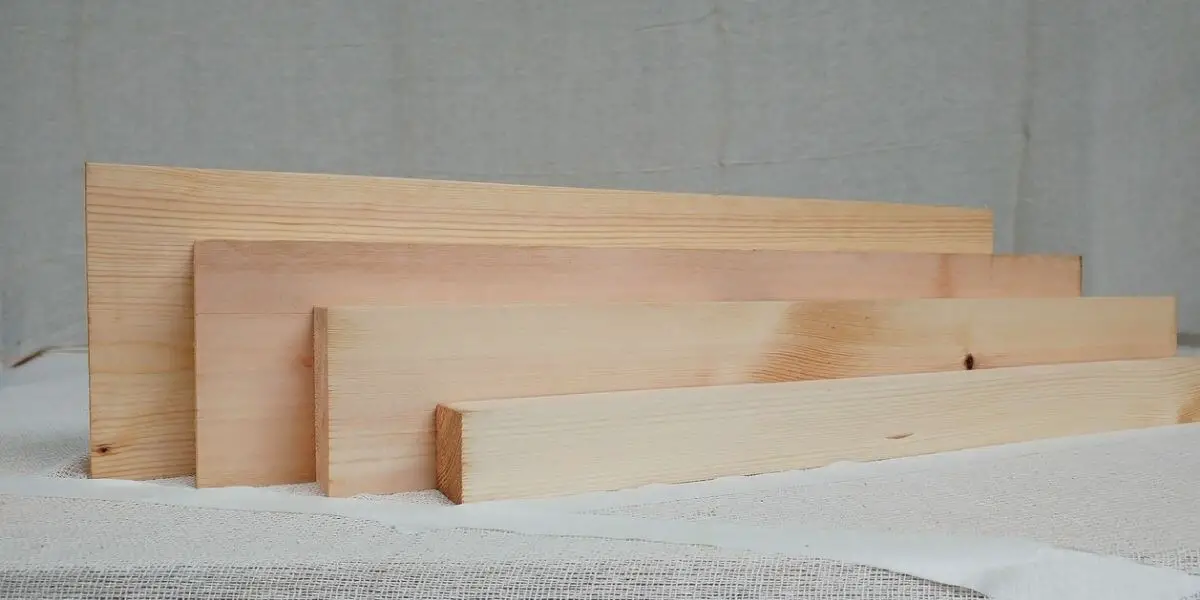
Redwood is a durable, moderately moisture-resistant, and highly decay-resistant softwood. It is an excellent option for both interior and exterior applications.
Redwood is a versatile softwood used for a wide range of woodworking and construction projects. Being a softwood, it is relatively easy to work with using both hand and machine tools.
Redwood is also known for its naturally rich color, which ranges from pinkish-brown to deep reddish-brown.
The world’s tallest tree is Hyperion, a coast redwood (Sequoia sempervirens) located in California. It is approximately 380 feet tall. Coast redwoods can live for more than 2,000 years.

| # | Redwood |
|---|---|
| Scientific name | Sequoioideae |
| Tree size | Up to 350–400 ft tall |
| Janka hardness (Coast Redwood) | 450 lbf (2,000 N) |
| Rot resistance | Moderately to highly resistant, depending on the species and heartwood |
| Wood color | Light brown to reddish-brown |
| Workability | Easy to work |
| Common uses | Furniture, plywood, posts, siding, and decking |
Redwood Uses

Construction Beams
Redwood is a strong softwood, and long lumber is readily available. Therefore, it can be used for beams, supports, and other construction applications.
Plywood
Redwood can be used to produce veneer and plywood products. Redwood veneer can be a more economical option than using solid redwood for certain applications.
Posts and Decking
Posts and decking are exposed to moisture, sunlight, and changing weather conditions. Redwood is a good choice for these applications because it is relatively stable and naturally resistant to decay.
The heartwood has good resistance to insects and weathering. Depending on the application and local conditions, redwood may be used outdoors without preservative treatment, although protective finishing can help extend its service life.
Exterior Furniture and Trim
Redwood is a popular choice for exterior furniture and can also be used for interior applications.
It is easy to work with hand and machine tools, making it suitable for wood carving, trim, molding, and other decorative work.
Redwood is also lightweight and easy to handle, which makes it convenient for furniture and woodworking projects.
Musical Instruments
Redwood can be used as a tonewood and is found in certain musical instruments and acoustic applications.
Appearance and Texture
The heartwood of redwood is usually light brown to dark reddish-brown, while the sapwood is lighter, often appearing pinkish-white or yellowish-white.
Redwood generally has a straight grain, although some boards may have wavy or interlocked grain.
Like most wood species, redwood changes color over time. Exposure to sunlight and weather can cause the natural color to fade or become grayish. A suitable finish and regular maintenance can help preserve its original appearance.
Redwood Advantages
Durable
Redwood is a durable softwood that can perform well for many years when properly selected, installed, and maintained.
Its natural resistance to decay makes it particularly useful for certain exterior applications.
Easy to Work
Redwood is relatively easy to work with using both hand and machine tools.
It can be easily cut, sawn, drilled, and shaped. Its relatively low density also makes it lightweight and easy to transport and handle.
Attractive Grain
Redwood has an attractive natural appearance.
Its reddish-brown color, straight grain, growth rings, and occasional figure can give furniture and other woodworking projects a distinctive appearance.
Versatile Wood
Redwood is a versatile wood that can be used for both interior and exterior applications.
It is suitable for furniture, decking, siding, trim, posts, decorative work, and various construction projects.
Redwood Disadvantages
Softness
Redwood is a relatively soft wood, which makes it more susceptible to dents and scratches than harder hardwood species.
High-traffic surfaces and frequently used furniture may therefore require additional care.
Price
Redwood can be more expensive than many commonly available softwoods.
Price varies depending on the grade, dimensions, quality, location, and availability of the lumber.
Loses Its Vibrant Color
Like many natural woods, redwood can lose some of its original color when exposed to sunlight and weather.
Untreated outdoor redwood gradually develops a weathered gray or silver appearance. A suitable exterior finish can help maintain its original color.
Working with Redwood
Redwood is generally easy to work with both hand and machine tools because of its relatively low density.
It can be easily cut, drilled, shaped, and sanded. However, boards with wavy or irregular grain may be more difficult to plane because the grain can cause tear-out.
Redwood generally glues and finishes well when the surface is properly prepared.
Is Redwood Good for Firewood?
Redwood can be used as firewood, but it is generally better suited as a fire starter than as a long-burning firewood.
Because redwood has relatively low density, it burns relatively quickly and does not produce as much heat over a long period as denser firewood species.
Coast redwood has a heating value of approximately 20.1 million BTUs per cord.
BTU (British thermal unit) is a unit used to measure the amount of heat energy produced by burning fuel.
Is Redwood Lumber Fire Resistant?
Redwood should not be considered fire-resistant simply because it is naturally durable or decay-resistant.
Like other untreated wood, redwood is combustible. Its fire performance depends on factors such as density, moisture content, thickness, treatment, and the specific product and test method.
If a construction project requires a specific fire rating, use a product with documented fire-test results rather than relying only on the wood species.
Is Redwood Wood Good for Furniture?
Yes, redwood can be a good choice for furniture.
It is known for its attractive color, natural grain, relatively low weight, and ease of workability. These characteristics make it suitable for chairs, tables, benches, cabinets, and outdoor furniture.
However, redwood is softer than many hardwoods, so furniture surfaces can be more susceptible to dents and scratches.
For outdoor furniture, proper finishing and regular maintenance can help protect the wood from moisture and weathering.
Is Redwood Wood Rot-Resistant?
Redwood heartwood has good natural resistance to decay and insects, making it suitable for many outdoor applications.
However, its durability varies depending on the species, part of the tree, exposure conditions, and installation. Heartwood is generally more decay-resistant than sapwood.
Proper drainage, sealing, and maintenance can help extend the service life of redwood used outdoors.
There Are Three Types of Redwood
The name “redwood” can refer to several different trees. The three commonly discussed species are:
- Dawn Redwood (Metasequoia glyptostroboides)
- Giant Sequoia (Sequoiadendron giganteum)
- Coast Redwood (Sequoia sempervirens)
Dawn Redwood (Metasequoia glyptostroboides)
Dawn redwood is a deciduous conifer native to central China.
It is commonly planted as an ornamental tree and can grow to around 100–150 feet tall under suitable conditions.
Unlike coast redwood and giant sequoia, dawn redwood loses its needle-like leaves during the winter.
Distribution: Central China
Giant Sequoia (Sequoiadendron giganteum)
Giant sequoia is one of the world’s largest trees by volume and is known for its massive trunk and long lifespan.
It is native to the western slopes of California’s Sierra Nevada Mountains.
Giant sequoias can grow to more than 250 feet tall, although their exceptional size is more notable for trunk volume than height.
Distribution: Sierra Nevada Mountains, Central California
Coast Redwood (Sequoia sempervirens)
Coast redwood is the tallest of the three species and is the redwood species most commonly associated with commercial redwood lumber.
It is naturally resistant to decay and insects, particularly in its heartwood, and is commonly used for outdoor furniture, decking, siding, posts, and other applications.
The tallest known coast redwood, Hyperion, is approximately 380 feet tall.
Distribution: Northern California coast and southern coastal Oregon
Final Thoughts
Redwood is a versatile softwood valued for its attractive appearance, easy workability, relatively low weight, and natural resistance to decay.
It can be used for furniture, decking, siding, posts, trim, construction, and other woodworking applications. However, its relatively soft surface makes it more susceptible to dents and scratches, and its natural color can change significantly when exposed to sunlight and weather.
For outdoor applications, selecting quality heartwood, providing proper installation, and using an appropriate finish can help improve the wood’s appearance and service life.
Read others post
Comments are closed.