
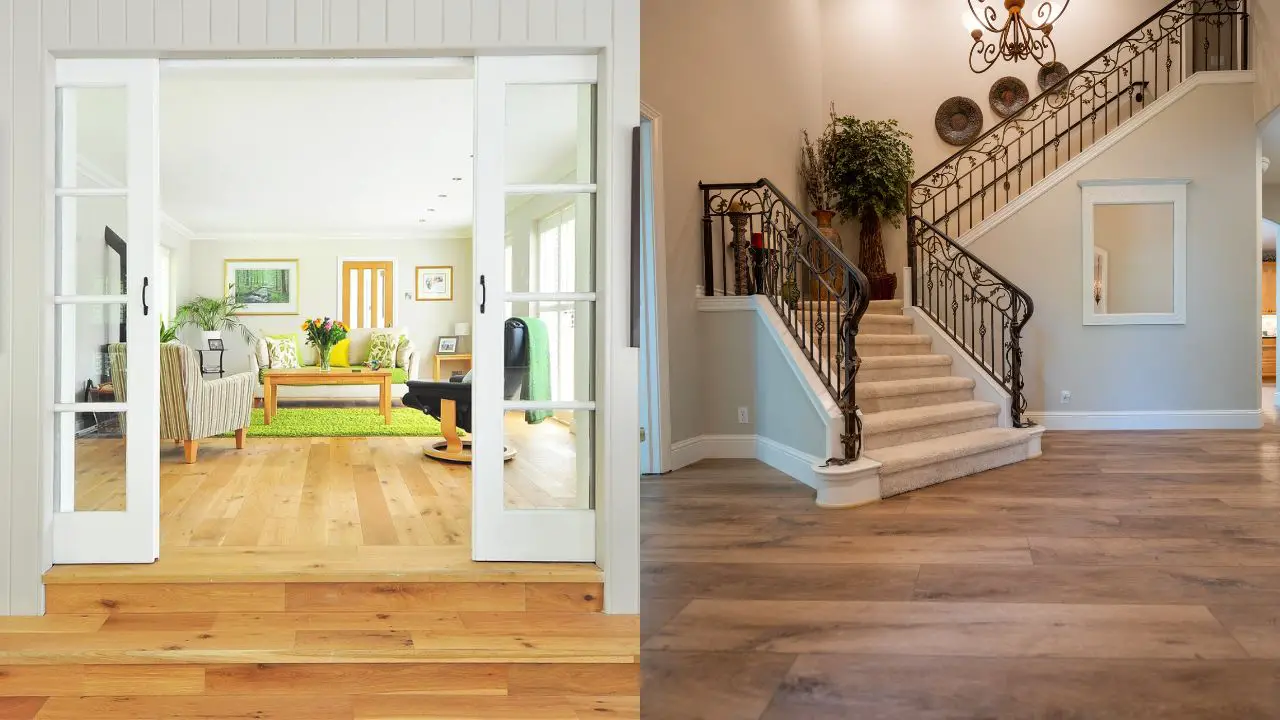
Choosing the right flooring is one of the most important decisions you’ll make for your home. Flooring affects comfort, appearance, maintenance, durability, and even property value.
Two of today’s most popular options are Engineered Hardwood Flooring and Luxury Vinyl Plank (LVP). While both can deliver a beautiful wood-look floor, they perform very differently in everyday life.
So which one is right for your home, lifestyle, and budget?
Let’s compare them side by side.
Quick Comparison
| Feature | Engineered Hardwood | Luxury Vinyl Plank (LVP) |
|---|---|---|
| Material | Real wood veneer over plywood or HDF core | Synthetic PVC/SPC/WPC construction |
| Appearance | Authentic natural wood | Realistic wood-look print |
| Water Resistance | Water-resistant | 100% waterproof |
| Scratch Resistance | Moderate | High |
| Lifespan | 20–50+ years | 10–20 years |
| Refinishing | Yes (depending on wear layer) | No |
| DIY Installation | Moderate difficulty | Easy |
| Comfort Underfoot | Warm and natural | Depends on underlayment |
| Resale Value | High | Moderate |
| Cost | Higher upfront investment | Budget-friendly |
Appearance and Feel: Real Wood vs. Wood Look
Engineered Hardwood: Natural Beauty That Lasts
Engineered hardwood contains a genuine wood surface layer, which means every plank has unique grain patterns, color variations, and character.
Because it’s real wood, it adds warmth, texture, and a premium appearance that many homeowners prefer for living spaces and bedrooms.
Best for:
- Luxury interiors
- Traditional and modern homes
- Homeowners focused on long-term value
Luxury Vinyl Plank (LVP): Practical and Stylish
Modern LVP has improved dramatically over the past decade. High-end products can closely mimic oak, walnut, maple, and other hardwood species.
However, since the design is printed, repeated patterns may become noticeable in larger rooms.
Best for:
- Busy households
- Rental properties
- Budget-conscious renovations
Durability: Which Flooring Handles Daily Life Better?
For Pets and Kids
If your home includes energetic children, large dogs, or frequent spills, LVP has a clear advantage.
LVP Benefits:
- Waterproof construction
- Excellent scratch resistance
- Resistant to dents and stains
- Easy cleaning and maintenance
Engineered Hardwood Considerations
Engineered hardwood is durable, but it is still real wood.
Over time, pet claws, moving furniture, and dropped objects may leave scratches or dents. Many homeowners appreciate this natural aging process, while others prefer the low-maintenance durability of vinyl.
Winner for active households: LVP
Water Resistance: A Critical Difference
This is often the deciding factor.
Engineered Hardwood
While engineered hardwood handles humidity better than solid hardwood, standing water can still cause damage if left unattended.
LVP
Luxury Vinyl Plank is completely waterproof. Spills, pet accidents, and bathroom moisture won’t cause swelling or warping.
Winner: LVP
Comfort and Acoustics
Many buyers focus on appearance and forget about sound.
Engineered Hardwood
- Solid feel underfoot
- Naturally warm surface
- Rich, premium walking experience
LVP
The comfort and sound performance of LVP depend heavily on the underlayment.
High-quality foam or cork backing can reduce noise significantly, while cheaper installations may feel hollow or produce clicking sounds when walked on.
Winner: Engineered Hardwood
Installation and DIY Friendliness
LVP
Most LVP products use a click-lock system that makes installation fast and beginner-friendly.
Many homeowners can complete an entire room using only basic tools.
Engineered Hardwood
Installation is more demanding and may require:
- Specialty saws
- Flooring nailers
- Precise measurements
- Additional subfloor preparation
Winner: LVP
Long-Term Value and Lifespan
Engineered Hardwood
One of the biggest advantages of engineered hardwood is longevity.
Higher-quality products with a thick wear layer can be sanded and refinished, extending their lifespan for decades.
Expected lifespan: 20–50+ years
LVP
LVP cannot be refinished. Once the wear layer is damaged, the affected planks must be replaced.
Expected lifespan: 10–20 years
Winner: Engineered Hardwood
Flooring Waste: Don’t Underestimate It
A common mistake is purchasing only the exact square footage needed.
Always order extra material to account for:
- Cutting around walls
- Doorways
- Corners
- Future repairs
Recommended Waste Allowance
| Installation Pattern | Extra Material Needed |
|---|---|
| Straight Lay | 5–10% |
| Diagonal Layout | 10–15% |
| Herringbone Pattern | 15–20% |
Pro Tip: Save at least one unopened box after installation. Matching flooring years later can be difficult if the product is discontinued.
Where Should Each Flooring Type Be Installed?
Choose LVP For:
✅ Kitchens
✅ Bathrooms
✅ Laundry Rooms
✅ Basements
✅ Rental Properties
✅ Homes with pets and young children
Choose Engineered Hardwood For:
✅ Living Rooms
✅ Dining Rooms
✅ Bedrooms
✅ Home Offices
✅ Luxury Renovations
✅ Homes focused on resale value
Frequently Asked Questions
Can LVP be installed over existing tile?
Yes. In many cases, LVP can be installed directly over tile if the surface is clean, stable, and relatively level.
Can engineered hardwood be refinished?
It depends on the thickness of the wear layer.
- 3–4 mm wear layer: Typically refinished 1–2 times
- Less than 2 mm wear layer: Limited or no refinishing potential
Does sunlight affect flooring?
Yes.
Both flooring types can fade with prolonged UV exposure. However, many modern LVP products include UV-resistant coatings that help minimize color changes.
Which flooring adds more resale value?
Engineered hardwood generally provides stronger resale appeal because buyers view real wood flooring as a premium feature.
Final Verdict
There is no universal winner—only the right choice for your lifestyle.
Choose Engineered Hardwood if:
- You want authentic wood beauty
- Long-term value matters most
- You’re willing to invest more upfront
- The space is relatively dry
Choose LVP if:
- You need waterproof flooring
- Durability and low maintenance are priorities
- You have pets, kids, or rental properties
- You’re working within a tighter budget
For many homeowners, the best solution is actually a combination: LVP in moisture-prone areas and engineered hardwood in primary living spaces, giving you the best of both worlds.