
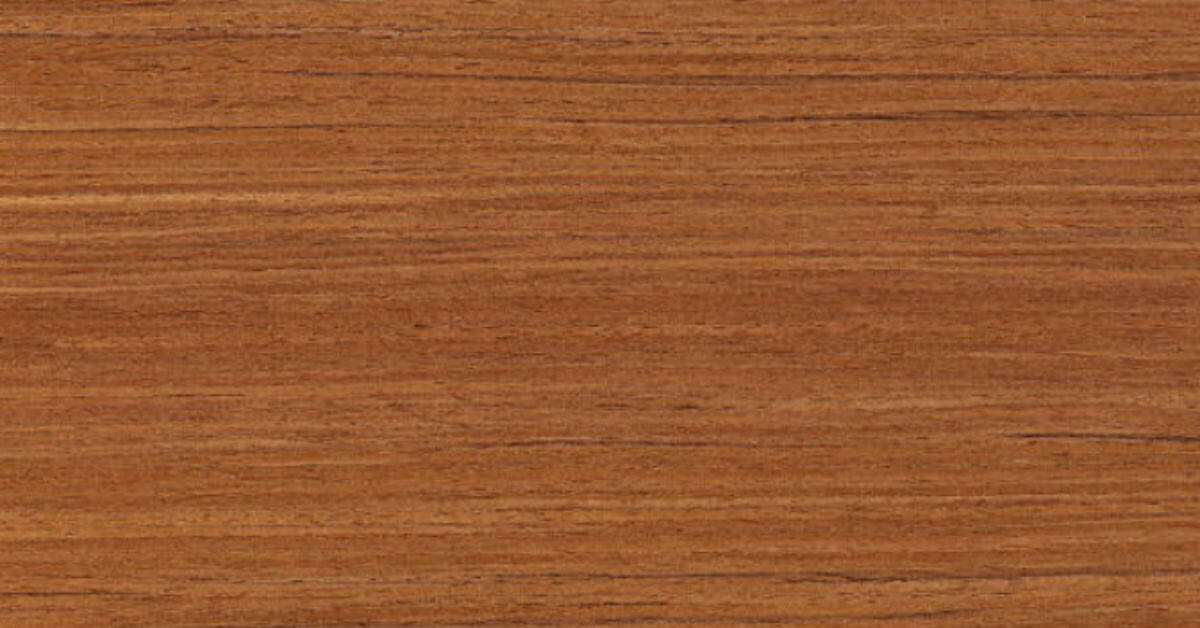
Teak is a popular choice for indoor and outdoor furniture because it is attractive and naturally durable. Like other wood, though, it collects dust, dirt, and spills. Outdoor teak can also develop surface mildew or gradually weather to a silvery gray.
For routine cleaning, brush away loose dirt, gently scrub the teak with a soft brush and mild soapy water, rinse with clean water, and let it dry completely. Avoid harsh scrubbing and high-pressure washing, which can roughen the wood.
Cleaning does not stop teak’s natural color change outdoors. If your furniture has a manufacturer’s care instructions, follow those first, especially if the surface has already been oiled, sealed, or finished.
What You’ll Need
- Soft-bristle brush or non-abrasive sponge
- Mild dish soap
- Lukewarm water
- Two clean cloths
- A bucket
- Optional: a teak cleaner labeled for your furniture’s finish
Use a brush with soft bristles. Stiff brushes and abrasive pads can scratch the surface or raise the grain.
How to Clean Teak Wood
Step 1: Remove Cushions and Loose Debris
Take off cushions and accessories. Brush away leaves, dust, and other debris, including from the joints and underside of the furniture.
This keeps loose grit from scratching the wood while you wash it.
Step 2: Test the Cleaning Solution
Mix a small amount of mild dish soap into a bucket of lukewarm water. Test the solution on a discreet spot first, particularly if the teak has an existing finish or treatment.
Avoid cleaners with bleach, ammonia, or strong solvents unless the furniture manufacturer specifically recommends them. These products can discolor wood or affect a finish.
Step 3: Scrub Gently Along the Grain
Dip the soft brush or sponge into the solution and scrub with light pressure, following the grain where possible. Work in small sections and rinse the brush often so you do not spread dirt around.
For grooves and joints, use the brush carefully. Do not flood the furniture with water or leave soapy water pooled in seams.
Step 4: Rinse Away Soap
Rinse the surface with clean water. For indoor furniture, use a clean damp cloth rather than a hose. For outdoor pieces, a gentle hose rinse is usually easier.
Remove all soap residue. Remaining cleaner can leave marks or attract dirt.
Step 5: Dry the Furniture
Wipe away excess water with a clean cloth, then let the teak air-dry completely in a well-ventilated area before replacing cushions or using the furniture.
Avoid leaving cushions on damp wood or covering the furniture while it is still wet.
How to Clean Outdoor Teak
Outdoor furniture collects pollen, dust, and other debris. Rinse or brush off loose dirt before it builds up, then wash the surface with mild soapy water as needed.
Basic seasonal cleaning may be enough for furniture that is in good condition. How often to clean depends on local weather, shade, nearby trees, and how much the furniture is used. For example, Westminster Teak recommends mild soapy water and a soft brush or cloth.
Allow air to circulate around the furniture between cleanings. If it stays damp or covered with debris for long periods, surface mildew may appear.
How to Remove Mildew or Stubborn Stains
Dark spots can come from mildew growing on dirt or other material on the surface. They may also be stains from food, leaves, metal, or a previous finish.
- Brush off loose debris.
- Clean the area with mild soapy water and a soft brush.
- Rinse thoroughly and let the wood dry.
- If the mark remains, use a teak cleaner labeled for the type of teak and finish you have.
- Test the cleaner on an inconspicuous area and follow its instructions.
Do not immediately use bleach, a pressure washer, or aggressive sanding. These can lighten or damage the surface and may leave uneven patches. If the stain persists, consult the furniture maker’s care guidance before trying a stronger treatment.
Should You Use Teak Oil?
Teak oil is optional; it is not required to clean or preserve teak furniture. Outdoor teak naturally weathers from its golden-brown color to silvery gray when exposed to sunlight and weather. This color change is usually a surface appearance change and does not, by itself, mean the furniture is failing.
Oiling may temporarily deepen the color, but it requires upkeep and can lead to uneven appearance or surface mildew if applied incorrectly. Some outdoor teak furniture manufacturers advise against oiling. For example, Kingsley Bate’s care guide does not recommend teak oil for its furniture.
If you prefer to maintain a golden appearance, use a product specifically intended for teak and follow the furniture manufacturer’s instructions. Apply it only to clean, fully dry wood, and test it first. Do not apply oil just because the wood has turned gray.
Teak Oil, Sealer, and Protector: What’s the Difference?
These products are not interchangeable.
- Teak oil is a finish product marketed for wood; its ingredients and results vary by brand.
- Teak sealer or protector is designed to help maintain appearance or reduce surface staining, depending on the product.
- Teak cleaner removes dirt and some surface discoloration but does not necessarily protect the wood.
Read the product label and furniture care instructions before applying anything. Combining products or applying them over an existing finish can cause adhesion or appearance problems.
Cleaning Indoor Teak Furniture
Indoor teak usually needs routine dusting and prompt cleanup of spills. Use a dry or slightly damp cloth, then dry the surface.
For a finished tabletop, use a cleaner compatible with the existing finish. Avoid soaking joints or leaving water rings. Test any new cleaning product on a hidden area first.
What to Avoid When Cleaning Teak
- High-pressure washing: It can damage the surface fibers and leave the wood rough.
- Wire brushes and abrasive pads: They can scratch the teak.
- Harsh cleaners: Bleach, ammonia, and strong solvents may discolor or damage the finish.
- Excess water: Pooled water can enter joints and prolong drying.
- Unapproved oils or coatings: They may change the appearance or interfere with the existing finish.
- Covering wet furniture: Trapped moisture can encourage surface growth and leave marks.
How Often Should You Clean Teak?
Clean teak when it looks dirty or has debris buildup. Outdoor furniture may need a seasonal wash, while indoor pieces often need only dusting and occasional spot cleaning.
A fixed cleaning schedule is not necessary for every home. Check the surface periodically and clean it gently when needed.
Frequently Asked Questions
Can You Clean Teak with Dish Soap?
Yes. A small amount of mild dish soap diluted in water is a good starting point for routine cleaning. Rinse away residue and let the wood dry fully.
Can You Pressure-Wash Teak Furniture?
It is better to avoid pressure washing. High pressure can roughen the wood and make the surface uneven. Use a soft brush and gentle water instead.
Why Has My Outdoor Teak Turned Gray?
Sunlight and weather cause outdoor teak to develop a silvery-gray patina. This is a natural surface change. Regular cleaning removes dirt but does not prevent the color from changing.
Does Teak Need to Be Oiled?
No. Teak can be left unfinished and allowed to weather naturally. Use oil only if you prefer its appearance and the furniture maker allows it.
Can You Use Bleach on Teak?
Do not use bleach unless the furniture manufacturer or cleaner label specifically recommends it for that teak and finish. Bleach can lighten or discolor the wood.
How Do You Keep Teak Furniture Looking Clean?
Remove debris, clean spills promptly, wash with mild soapy water when needed, and let the furniture dry completely. For outdoor pieces, keep the area around them ventilated.
Conclusion
The best way to clean teak is to use a soft brush, mild soapy water, a thorough rinse, and complete drying. Use a teak-specific cleaner only when routine washing does not remove a stain, and test it first.
Teak’s natural golden color will gradually weather outdoors. You can leave it to develop a gray patina or use a manufacturer-approved product to influence its appearance, but teak oil is not a required step in cleaning.