
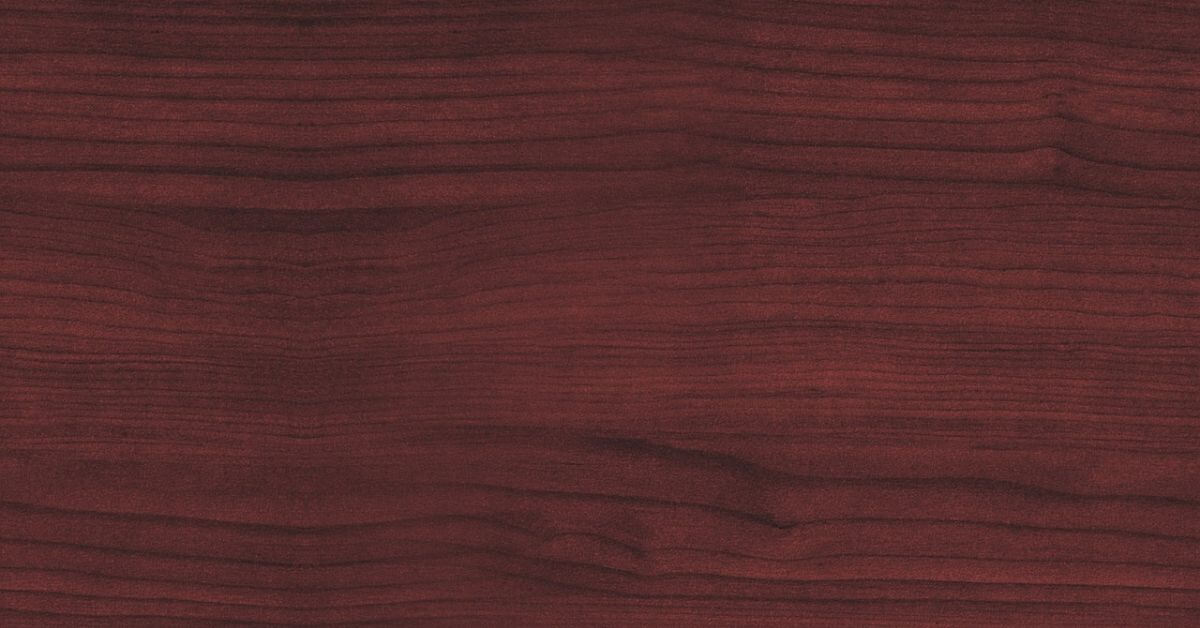
Mahogany is prized for its rich color, attractive grain, and workability. It has been used for centuries in furniture, cabinetry, boatbuilding, and musical instruments. But “mahogany” can refer to several different woods, and genuine mahogany often costs more than common lumber such as pine or poplar.
The price depends on the species, grade, board size, source, and seller. Here’s why some mahogany lumber is expensive and what to consider before buying it.
What Is Mahogany?
Several different woods are sold under the name “mahogany.” Genuine mahogany usually refers to Swietenia species, including big-leaf mahogany (Swietenia macrophylla), which is native to Central and South America.
African mahogany comes from trees in the Khaya genus. Sapele is a different species, Entandrophragma cylindricum, and “Philippine mahogany” is a trade name used for several woods that are not genuine mahogany. These species may look similar, but their properties, availability, and prices differ.
Before comparing prices, check the botanical or trade name on the seller’s listing. The word “mahogany” alone does not tell you exactly what species you are buying.
Why Is Mahogany So Expensive?
Species and availability
Genuine mahogany is less widely available than many domestic woods. Supply depends on the species, source, grade, and local market. When a particular type is difficult to source, prices can rise.
Quality and board dimensions
Clear, straight boards with attractive grain usually cost more than boards with knots, color variation, or other defects. Wide, long, or thick boards may also be more expensive because they are harder to source and produce.
Demand for specialty lumber
Mahogany is popular for fine furniture, cabinetry, boat parts, and musical instruments. Buyers may pay a premium for its appearance, workability, and reputation, especially for high-grade or specialty stock.
Harvesting and transportation
Some mahogany lumber is harvested far from the markets where it is sold. Processing, shipping, import requirements, and supplier handling can all add to the final cost.
Trade controls and sourcing
Some mahogany species are subject to international trade controls. Big-leaf mahogany (Swietenia macrophylla), for example, is listed under CITES Appendix II. Requirements can depend on the species, product, and type of trade. Buyers should ask suppliers for the wood’s species and sourcing documentation. CITES information
How Much Does Mahogany Cost?
Mahogany prices vary considerably. As one current retail example, a U.S. specialty lumber supplier lists 4/4 genuine Honduran mahogany at $17 per board foot for orders under 10 board feet, with lower per-board-foot prices for larger quantities. Prices from other sellers may differ based on location, grade, thickness, and preparation. Bell Forest Products price listing
Ask whether the lumber is rough-sawn or surfaced, and whether the quoted price includes shipping. Compare boards of the same species, grade, and dimensions to get a useful price comparison.
Mahogany Compared With Other Woods
Mahogany typically costs more than common lumber such as pine. Its price may also be higher than oak or maple, depending on the species and grade. Sapele and African mahogany are sometimes chosen as alternatives because they can offer a similar warm color or grain, but they are different woods and do not have identical properties.
When comparing options, consider more than appearance. Workability, durability, board size, finish, availability, and responsible sourcing can all affect which wood is the better value for your project.
Is Mahogany Worth the Price?
Mahogany may be worth the higher cost when you want its distinctive appearance, workability, or long service life for a specific project. It is often selected for fine furniture, cabinetry, boat components, and musical instruments.
For a project where the wood will be painted, hidden, or exposed to demanding conditions, another species or material may be more practical. Compare the full project cost, including waste, finishing, shipping, and maintenance, before choosing.
Affordable Mahogany Alternatives
- Sapele: A different tropical hardwood with a reddish-brown color and prominent grain. It is often considered when a mahogany-like appearance is desired.
- African mahogany: A trade name for several Khaya species. It may be more readily available in some markets, though price and properties vary.
- Walnut: A popular hardwood with a darker brown color and attractive grain. It can also be expensive, depending on grade and source.
- Oak: A widely available hardwood with a pronounced grain. It is not a close visual match, but it can be a durable alternative for furniture and cabinetry.
- Pine: A more affordable softwood for many painted or budget-conscious projects, though it is softer and has a different appearance.
Frequently Asked Questions
Why does genuine mahogany cost more than some other woods?
Genuine mahogany can cost more because of its limited availability, demand for high-grade lumber, board dimensions, transportation, and sourcing requirements. Prices also depend on the seller and local market.
Is African mahogany the same as genuine mahogany?
No. Genuine mahogany usually refers to Swietenia species. African mahogany refers to woods in the Khaya genus. They may share some visual similarities, but they are different species.
Is sapele a type of mahogany?
No. Sapele is Entandrophragma cylindricum, a separate species. It may be sold or discussed as a mahogany alternative because of its color and appearance.
Does mahogany cost more than oak?
It can, especially when comparing high-grade genuine mahogany with common oak lumber. Actual prices depend on species, grade, dimensions, and location.
Is mahogany difficult to find?
Availability varies by species and region. Some types are commonly stocked by specialty lumber suppliers, while specific grades or large boards may be harder to source. Ask the seller to identify the species and document its origin.
Conclusion
Mahogany can be expensive because its price reflects more than its color and appearance. Species, grade, board size, demand, transportation, and sourcing requirements all influence the cost. Confirm exactly which wood is being sold, compare like-for-like prices, and consider alternatives such as sapele or African mahogany if you want a similar look at a different price point.