

Black locust is a beautiful hardwood with colors ranging from pale greenish-yellow to medium or dark brown. It is an excellent choice for furniture, fence posts, flooring, boat building, and many other woodworking projects.
Black locust is an extremely hard, durable, and stable hardwood native to the central and eastern United States. It comes from medium-sized deciduous trees that typically grow 40 to 60 feet (12–18 m) tall.
Why Should You Stain Black Locust Wood?
Staining enhances the natural beauty of black locust while helping protect the wood from moisture, dirt, and everyday wear.
Over time, black locust naturally changes color when exposed to sunlight and air. Applying a quality stain helps preserve its appearance and gives the wood a richer, more uniform finish.
For outdoor projects, staining combined with a protective topcoat can significantly increase the wood’s lifespan and reduce maintenance.
Choosing the Right Stain
Oil-based stain is usually the best choice for black locust because it penetrates dense hardwood well and produces a rich, even finish.
Compared with water-based stains, oil-based products:
- Penetrate deeper into hardwood.
- Provide richer color.
- Dry more slowly, giving you more working time.
- Produce fewer lap marks.
Common wood stain options include:
- Oil-based stain
- Water-based stain
- Gel stain
- Lacquer stain
- Water-soluble dye
- Dye stain
- Varnish stain
How to Stain Black Locust Wood
Step 1: Sanding and Cleaning
Sanding is one of the most important steps before staining.
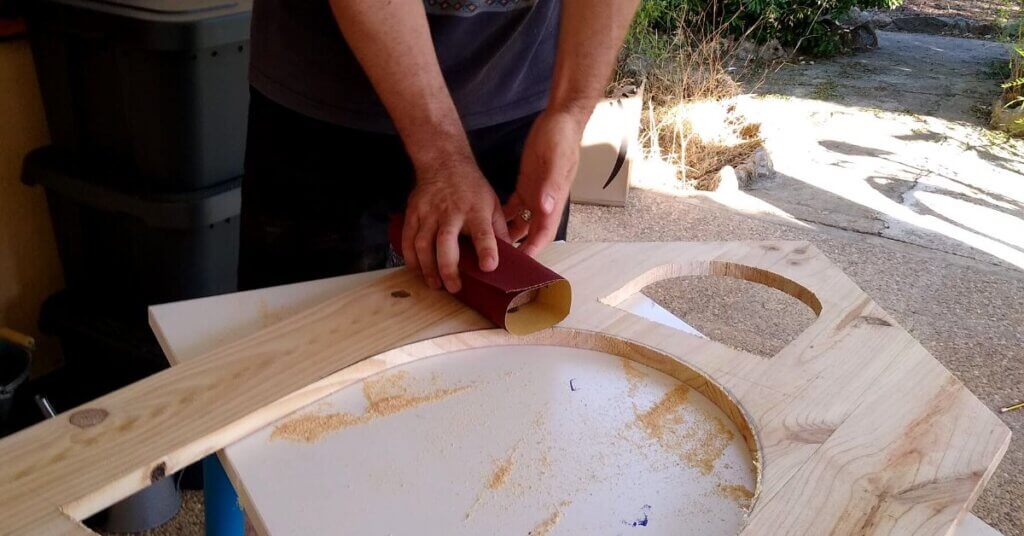
It removes scratches, dents, and milling marks while creating a smooth surface that allows the stain to penetrate evenly.
For rough lumber:
- Start with 80-grit sandpaper.
- Finish with 120-grit sandpaper.
For new, smooth lumber:
- Start with 100-grit sandpaper.
- Finish with 120-grit sandpaper.
After sanding, remove all dust using a vacuum, tack cloth, or a slightly damp lint-free cloth.
Step 2: Apply a Pre-Stain Wood Conditioner (Optional)
A pre-stain wood conditioner is usually not necessary for black locust because it generally accepts stain evenly.
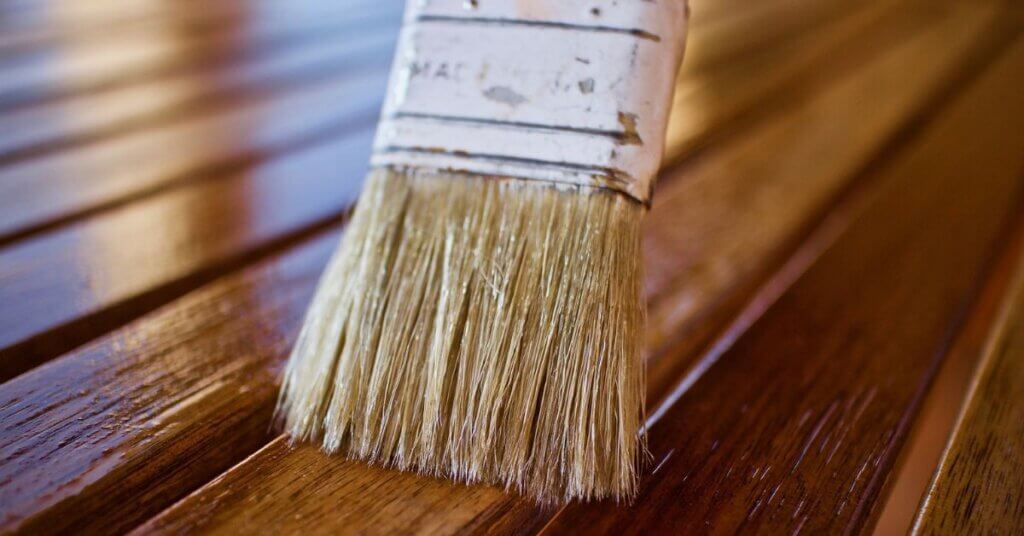
However, if you want a more consistent appearance or are concerned about uneven absorption, you may apply a wood conditioner before staining.
Allow the conditioner to dry according to the manufacturer’s instructions before applying the stain.
Step 3: Apply the Stain
Use a clean, lint-free cloth, staining pad, or high-quality brush to apply the stain.
Apply the stain evenly in the direction of the wood grain.
Allow the first coat to penetrate according to the manufacturer’s recommendations, then wipe away the excess stain.
If a darker color is desired, allow the first coat to dry completely before applying a second coat.
Step 4: Wipe Off Excess Stain
After allowing the stain to penetrate, wipe away any excess stain using a clean cloth.
Removing the excess stain helps produce a smooth, even finish and prevents sticky spots after drying.
If the stain begins to dry before wiping, lightly reapply a small amount of stain to soften the surface before removing the excess.
Step 5: Apply a Protective Finish
Once the stain has completely dried, apply a protective finish if needed.
Suitable finishes include:
- Polyurethane
- Spar varnish
- Exterior varnish
- Hard wax oil
- Clear wood sealer
For outdoor furniture or exterior projects, applying a protective finish is highly recommended because it improves moisture resistance and extends the life of the wood.
Important Tips
Work Safely
Wood stains and finishes may contain volatile organic compounds (VOCs).
Always work in a well-ventilated area and wear:
- Safety glasses
- Protective gloves
- A dust mask or respirator when sanding
Work in a Clean Environment
Use clean brushes, cloths, and containers throughout the staining process.
Dust, dirt, or debris can become trapped in the finish and reduce the quality of the final result.
Allow the project to dry in a clean, dust-free location.
Conclusion
Black locust is one of the most durable domestic hardwoods, and staining is an excellent way to enhance its natural beauty while adding extra protection.
Whether you choose an oil-based stain, gel stain, or another quality wood stain, careful surface preparation and proper application will produce the best results.
For outdoor projects, applying a protective topcoat after staining will help preserve the finish and extend the life of the wood for many years.