
What Is Aircraft Plywood?
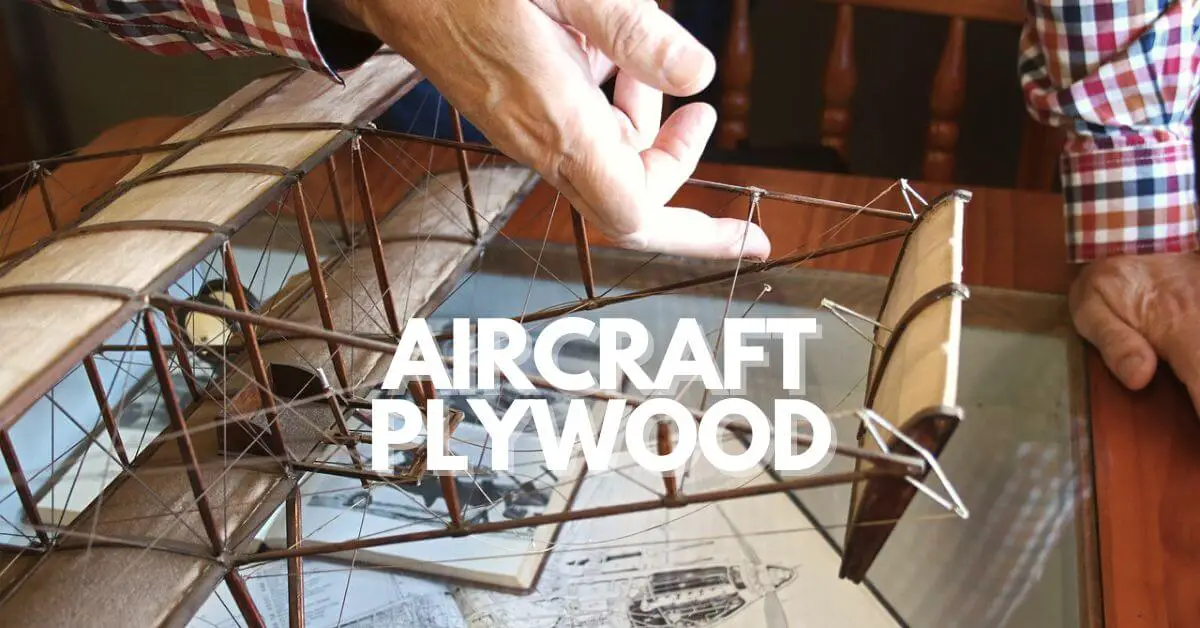
Aircraft plywood, also known as airplane plywood, is stronger, more stable, and lighter than standard plywood. It is specifically designed for aircraft construction, where strength, durability, and low weight are essential.
Choosing the right material is important for any project, but it becomes even more critical when building an aircraft or boat, where safety and performance are top priorities.
Uses of Aircraft Plywood
Aircraft plywood is primarily used for manufacturing:
- Aircraft wing ribs
- Instrument panels
- Floorboards
- Wing skins
- Leading edges of wings
- Other lightweight structural aircraft components
However, aircraft plywood is not used only in airplanes. It is also widely used for making boats, model boats, dollhouses, and boat components because these applications benefit from lightweight yet strong materials.
Aircraft plywood provides better moisture and weather resistance than regular plywood, making it suitable for demanding environments.
Aircraft plywood has been used since World War II. During the war, it was widely used to manufacture aircraft and boats because its lightweight construction made transportation easier.
How Is Aircraft Plywood Made?
Aircraft plywood is manufactured by bonding several thin layers of high-quality wood veneer under high heat and pressure using phenol-formaldehyde adhesive.
Common wood species include:
- Birch
- Mahogany
- Hard maple
- Beech
- Douglas fir
- Walnut
The wood species selected affects the strength, weight, appearance, and overall performance of the finished plywood.
Phenol-formaldehyde adhesive is waterproof and weather-resistant, making it suitable for aircraft and other high-performance applications. The same type of adhesive is also commonly used in marine plywood.
Although the manufacturing process is similar to that of other plywood products, aircraft plywood is produced to much stricter quality standards. Traditionally, aircraft plywood was manufactured to meet MIL-P-6070B specifications.
Price
Aircraft plywood is considerably more expensive than regular plywood and is often more expensive than marine-grade plywood.
Its price depends on several factors, including:
- Thickness
- Grade
- Wood species
- Manufacturer
- Country or region
Although it is more expensive, aircraft plywood offers exceptional strength, stability, and quality for specialized applications.
Is Aircraft Plywood Waterproof?
Aircraft plywood has excellent water and weather resistance, but it is not completely waterproof.
Like marine plywood, it uses waterproof adhesive, but the wood veneers themselves can still absorb moisture if they are left unprotected for long periods.
For outdoor or marine applications, aircraft plywood should be properly sealed with:
- Exterior paint
- Polyurethane
- Epoxy resin
- Marine varnish
A quality finish helps protect the plywood from moisture and significantly extends its service life.
Can Marine Plywood Replace Aircraft Plywood?
Marine plywood cannot completely replace aircraft plywood because the two products are designed for different applications and performance requirements.
Aircraft plywood is manufactured to strict aviation standards and uses carefully selected, defect-free veneers to provide maximum strength while keeping weight to a minimum.
Marine plywood is designed primarily for moisture resistance. Although it also uses waterproof adhesive, it is manufactured to different standards.
Marine plywood is commonly available in grades such as AA and AB.
- AA grade has high-quality veneers on both faces with very few or no defects.
- AB grade has one premium face and one lower-grade back.
Although marine plywood is an excellent choice for boats and outdoor projects, it is not intended to replace certified aircraft plywood in aviation applications.
Where to Buy Aircraft Plywood?
Aircraft plywood is available from many online suppliers and specialty woodworking stores.
Before purchasing, verify that the plywood meets the required quality standards and specifications for your intended application. If you require certified aircraft plywood, always check the manufacturer’s certification and product markings before buying.