
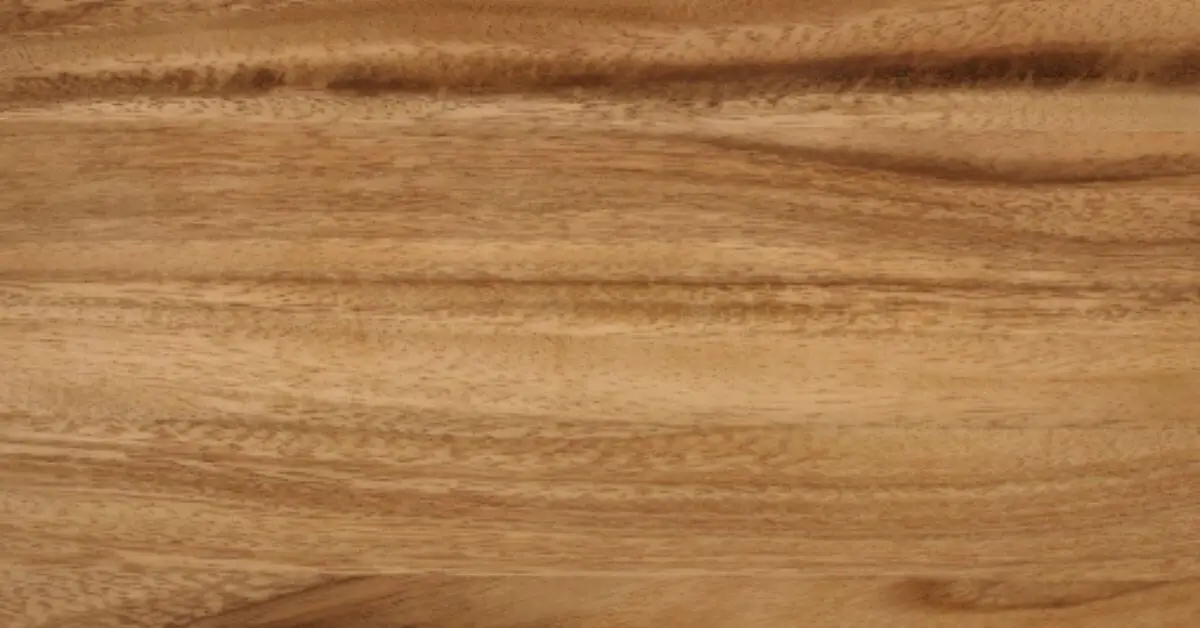
Acacia wood is a durable hardwood known for its strength, attractive grain patterns, natural water resistance, and rich color variations. It is widely used for furniture, flooring, cutting boards, countertops, decorative items, and outdoor furniture.
With over 1,000 species found primarily in Australia, Asia, and Africa, acacia is one of the most versatile hardwoods available today. Depending on the species, the wood can range from light brown to deep reddish-brown, often featuring unique grain patterns that make every board look different.
Because of its durability, beauty, and affordability compared to premium hardwoods like teak, acacia has become a popular choice among homeowners and woodworkers.
Acacia Wood at a Glance
| Property | Details |
|---|---|
| Botanical Name | Acacia spp. |
| Wood Type | Hardwood |
| Color | Light brown to dark reddish-brown |
| Grain Pattern | Straight to wavy |
| Janka Hardness | Around 2,300 lbf (varies by species) |
| Durability | High |
| Rot Resistance | Good |
| Workability | Good |
| Availability | Moderate to High |
| Cost | Moderate |
What Is Acacia Wood?
Acacia wood comes from trees belonging to the Acacia genus, a group containing more than 1,000 species worldwide.
Many Acacia species grow rapidly and thrive in difficult environments, making them a sustainable source of hardwood. In countries such as India, Nepal, and Bangladesh, certain Acacia species are commonly known as Babul.
Acacia is prized for its:
- High strength
- Natural durability
- Attractive grain patterns
- Good resistance to moisture
- Long lifespan
These qualities make it suitable for both indoor and outdoor applications.
Acacia Wood Advantages and Disadvantages
Advantages
Exceptional Durability:
Acacia is one of the hardest and most durable commercially available hardwoods.
Its high density makes it resistant to:
- Dents
- Scratches
- Daily wear
- Heavy foot traffic
This is one reason why acacia flooring can last for decades with proper care.
Beautiful Appearance:
Acacia is known for its rich natural colors that range from golden brown to deep reddish-brown.
Many boards display unique grain patterns, creating a premium appearance that is difficult to replicate with manufactured materials.
Natural Moisture Resistance:
Acacia contains natural oils that help resist moisture and fungal growth better than many other hardwood species.
Although it is not completely waterproof, it performs well in humid environments when properly finished.
Good for Indoor and Outdoor Furniture:
Unlike many hardwoods, acacia can be used for both indoor and outdoor furniture when properly maintained.
Its durability and weather resistance make it suitable for:
- Dining tables
- Patio furniture
- Garden benches
- Outdoor seating
Sustainable Hardwood:
Many Acacia species grow relatively quickly compared to traditional hardwoods, making them a more sustainable choice than slow-growing species.
Disadvantages
Can Be Expensive:
Acacia is generally more expensive than pine, poplar, or rubberwood.
However, it is often more affordable than premium hardwoods such as teak and walnut.
Color Variations:
One of Acacia’s most attractive features can also be a drawback.
Boards often vary significantly in color and grain, which may not appeal to homeowners seeking a uniform appearance.
Heavy Weight:
Acacia’s density makes furniture and flooring heavier than many alternatives.
While this increases durability, it can make transportation and installation more difficult.
Requires Maintenance Outdoors:
Outdoor Acacia furniture should be sealed or oiled periodically to maintain its appearance and prevent weathering.
Acacia Wood Uses
Furniture
Acacia is one of the best woods for furniture.
Its combination of hardness, durability, and visual appeal makes it suitable for:
- Dining tables
- Coffee tables
- Bed frames
- Dressers
- Cabinets
- Shelves
Properly maintained Acacia furniture can last for decades.
Flooring
Acacia flooring is highly popular because of its hardness and resistance to wear.
Benefits include:
- Excellent scratch resistance
- Long lifespan
- Rich natural appearance
- Increased home value
Because of its hardness, Acacia flooring performs well in busy households with children and pets.
Cutting Boards and Kitchen Accessories
Acacia is commonly used to make:
- Cutting boards
- Serving trays
- Wooden bowls
- Utensils
- Cheese boards
Its dense grain helps resist moisture absorption and makes it suitable for food-contact applications.
Decorative Items
The attractive grain patterns of Acacia make it a favorite material for decorative woodworking projects, wall art, carvings, and handcrafted products.
Is Acacia Wood Good for Furniture?
Yes, Acacia is considered one of the best furniture woods available in the mid-price range.
It offers:
- High durability
- Excellent appearance
- Good moisture resistance
- Long service life
Compared with softer woods like pine or rubberwood, Acacia furniture is far more resistant to dents and scratches.
Is Acacia Wood Good for Flooring?
Yes, Acacia is an excellent flooring material due to its hardness and durability.
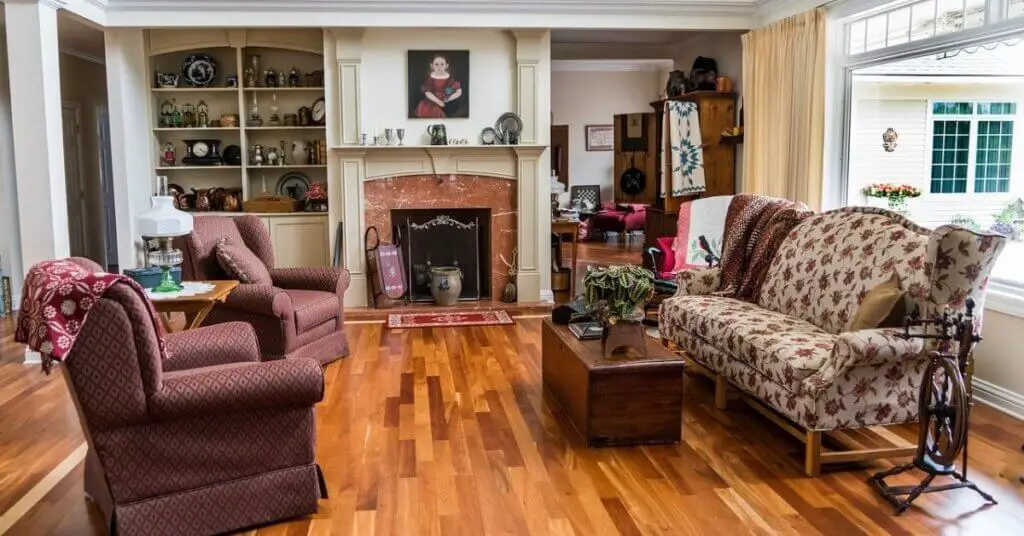
Its Janka hardness rating of approximately 2,300 lbf makes it significantly harder than many popular flooring species, including red oak.
Acacia flooring is ideal for:
- Living rooms
- Hallways
- Bedrooms
- Dining rooms
- Commercial interiors
When properly maintained, Acacia flooring can remain attractive for decades.
How Hard Is Acacia Wood?
Acacia is among the hardest commonly available hardwoods.
Approximate Janka hardness values:
| Wood Species | Janka Hardness |
|---|---|
| Acacia | 2,300 lbf |
| White Oak | 1,360 lbf |
| Hard Maple | 1,450 lbf |
| Hickory | 1,820 lbf |
| Teak | 1,070 lbf |
This high hardness makes Acacia highly resistant to wear, dents, and impact damage.
Comments are closed.