Introduction
Red Balau (Shorea ochrophloia) and Ipe (Handroanthus spp.), also known as Brazilian Walnut, are two popular hardwoods used for outdoor projects—especially decking.
Red Balau is native to Southeast Asia (Sumatra and Malaysia), while Ipe comes from Central and South America. Both are strong, dense woods, but they differ in durability, hardness, and maintenance needs.
If you’re planning a deck or outdoor project, understanding these differences will help you make the right choice.
Quick Comparison Table
| Feature | Red Balau | Ipe Wood |
|---|---|---|
| Scientific Name | Shorea ochrophloia | Handroanthus spp. |
| Tree Height | 100–140 ft (30–40 m) | 100–130 ft (30–40 m) |
| Durability | Good | Excellent |
| Janka Hardness | ~1,600 LBF | ~3,510 LBF |
| Weight | ~53 lbs/ft³ | ~69 lbs/ft³ |
| Color | Yellow-brown to reddish | Reddish-brown to dark brown |
| Workability | Moderate | Difficult |
| Common Uses | Decking, flooring, marine | Decking, siding, furniture |
Color and Appearance
Red Balau ranges from light brown to reddish or purplish tones. It has a somewhat coarse texture with medium to large pores. The grain can be straight or slightly interlocked, and it holds stain and polish well.
Ipe, on the other hand, has a richer and darker appearance. Its color ranges from reddish-brown to deep olive or almost black. It has a finer texture and a smoother, more uniform finish, making it a premium-looking wood.
Uses
Red Balau
Red Balau is widely used in:
- Decking
- Flooring
- Heavy construction
- Marine applications (like boat building)
It is dense and durable, which helps resist dents and wear over time. It also performs reasonably well outdoors when properly maintained.
Ipe Wood
Ipe is one of the most popular woods for outdoor use, especially in the U.S. It is commonly used for:
- Decking
- Outdoor structures
- Siding
- High-end flooring
- Furniture
Its extreme hardness and natural resistance to insects, moisture, and weather make it ideal for long-term outdoor projects.
Workability
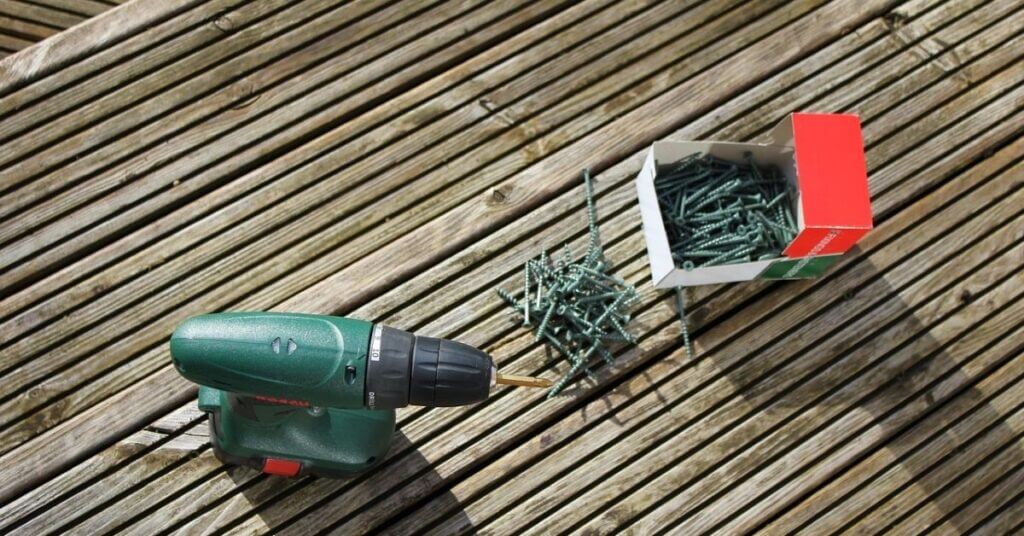
Red Balau is dense but still manageable with tools. Pre-drilling is recommended, especially for screws and nails, but overall it is easier to work with than Ipe.
Ipe is extremely hard—almost twice as hard as Red Balau. It can be challenging to cut and drill, and it quickly dulls tools. Pre-drilling is required, and installation usually takes more time and effort.
Durability and Maintenance
- Red Balau: Offers good durability but may require regular sealing or finishing to maintain performance outdoors.
- Ipe: Extremely durable with excellent resistance to rot, insects, and harsh weather. It requires very little maintenance over time.
Which Is Better for Decking?
Both woods are good choices, but the best option depends on your priorities.
Choose Red Balau if:
- You want a more budget-friendly hardwood
- You prefer easier installation
- You’re okay with some maintenance over time
Choose Ipe if:
- You want maximum durability and lifespan
- You prefer a premium look
- You want low maintenance over many years
Ipe is generally the better long-term decking material, but it comes at a higher cost and is harder to work with.
Final Thoughts
Red Balau and Ipe are both strong, reliable hardwoods for outdoor use. Red Balau offers a good balance of performance and affordability, while Ipe stands out for its unmatched durability and strength.
If budget and ease of installation matter, go with Red Balau.
If you want a long-lasting, high-end deck, Ipe is the better investment.
Read another post Ipe vs Redwood | Color, Appearance, Durability, and Workability