Properties of Pin Oak
Pin Oak (Quercus palustris), also known as Swamp Spanish Oak, is native to North America. It belongs to the Red Oak group and shares many characteristics with other red oak species.
Pin oak wood is heavy, strong, and hard. The tree is fast-growing, typically adding about 24 inches (61 cm) or more per year under proper conditions. It grows best in full sunlight (about 5–6 hours daily) and naturally develops a pyramidal shape.
The lower branches of the tree grow longer and larger than the upper branches. Because of its wide branch spread, pin oak requires plenty of space to grow. For this reason, it is not always ideal for small yards or narrow street plantings.
Although it belongs to the Red Oak group, pin oak has some distinguishing features. For example, pin oak leaves have pointed lobes, similar to red oak species.
Pin Oak Tree Overview
| Property | Pin Oak |
|---|---|
| Scientific Name | Quercus palustris |
| Height | 50–75 ft (15–23 m) |
| Trunk Diameter | 2–4 ft (0.6–1.2 m) |
| Janka Hardness | 1,500 lbf (6,650 N) |
| Average Dried Weight | 44 lbs/ft³ (705 kg/m³) |
| Lifespan | Up to 120 years |
| Common Uses | Firewood, flooring, landscaping, veneer |
| Workability | Good |
| Availability | Widely available |
Pin Oak Uses
Pin oak has good durability, workability, and an attractive appearance. It is commonly used for:
- Furniture
- Interior trim
- Cabinetry
- Railroad ties
- Veneer
However, some woodworkers consider it less desirable than red oak or white oak for high-end furniture due to variability in quality and the presence of knots.
Because it has moderate moisture resistance, pin oak is often used for landscaping purposes in the United States. It tolerates wet soils better than many other oak species.
With a Janka hardness of 1,500 lbf, pin oak is suitable for flooring. Its hardness helps resist dents and scratches.
Historically, some Native American tribes used oak bark to prepare medicinal drinks for treating intestinal discomfort.
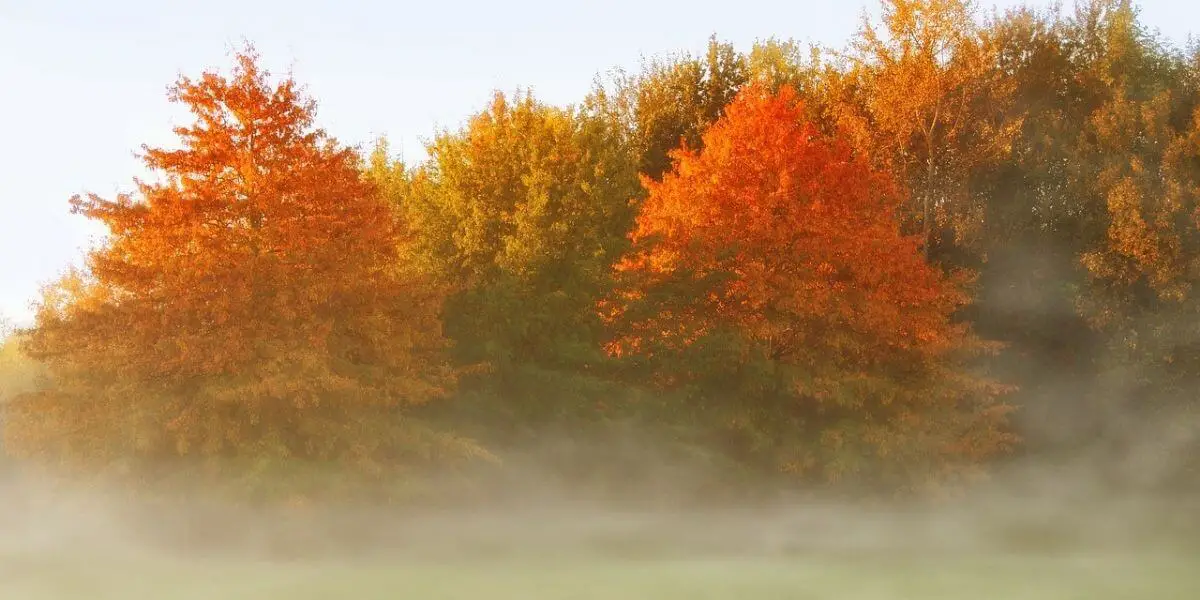
Pin oak is also widely planted as an ornamental tree. In autumn, its leaves turn bright red, creating an attractive seasonal display. This makes it popular in parks and large gardens.
Pin Oak Wood Color and Appearance
Pin oak heartwood ranges from light to medium reddish-brown. The grain is fairly coarse with medium to large pores, similar to northern red oak.
Wood quality can vary. Some logs contain many knots, which can make the wood more difficult to work with and reduce overall quality.
Pin Oak as Firewood
Good firewood should produce high heat (measured in BTUs) and burn efficiently when properly seasoned.
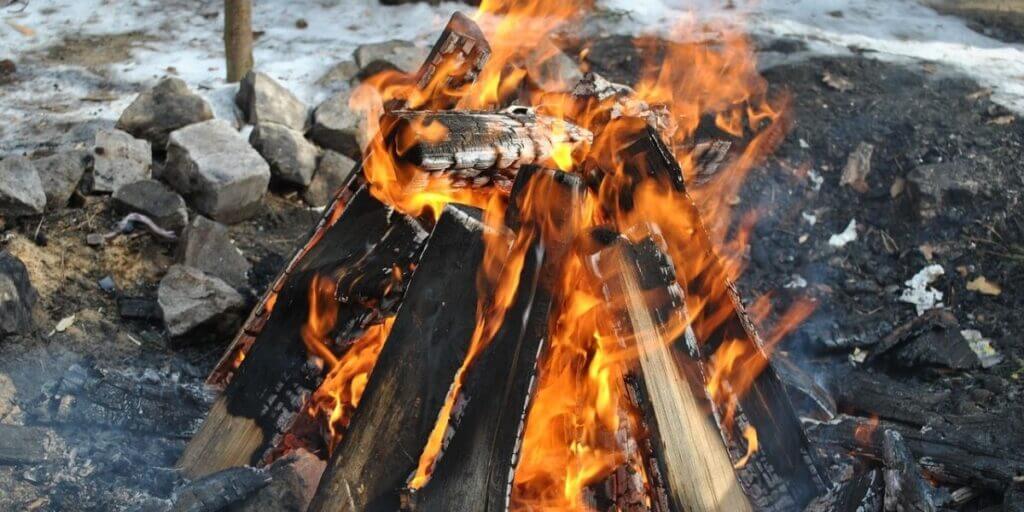
Most oak species are excellent firewood due to their density and strong coaling properties.
For comparison:
- White Oak: ~27.9 million BTUs per cord
- Red Oak: ~25.9 million BTUs per cord
- Pin Oak: ~25.9 million BTUs per cord
Pin oak provides strong heat output, similar to red oak. It splits relatively easily but can be slightly tougher than red or white oak.
Proper seasoning is essential. Oak must be split and dried for about two seasons to burn efficiently. Unsplitted logs will not dry properly.
Pin Oak Tree Identification
Leaves
Pin oak leaves turn red or deep bronze in autumn. The vibrant color can last nearly a month.
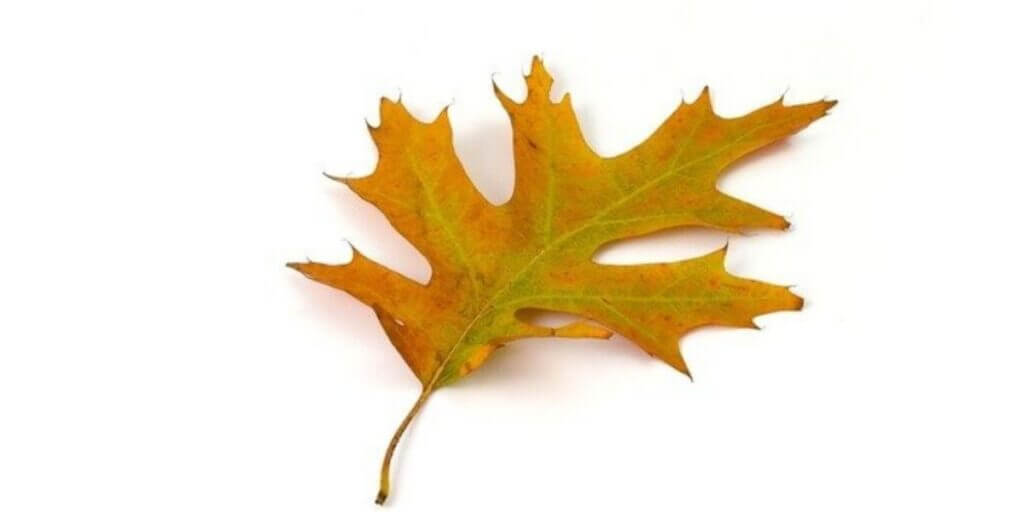
Leaf size:
- 2–6¼ inches long (5–16 cm)
- 2–4¾ inches wide (5–12 cm)
The pointed lobes are typical of red oak species.
Bark
Young pin oak trees have smooth, straight bark and a pyramidal canopy.
As the tree ages (around 40–45 years), the bark becomes rougher and the canopy spreads more widely.
Flowers and Fruit
Pin oak produces greenish-yellow drooping catkins. The flowers and leaves emerge together in spring.
The fruit is a small acorn (about ½ inch long), light brown at first, turning darker brown and eventually nearly black when mature.
Pin Oak Tree Diseases and Problems
Common Diseases
Anthracnose
Anthracnose commonly appears during wet seasons. It causes:
- Leaf scorch
- Brown dead areas between leaf veins
- Damage mainly on lower branches
Fungicide treatment may help prevent severe infection.
Armillaria Root Rot
This disease affects the roots and lower trunk of the tree. Symptoms include:
- Branch dieback
- Root decay
- Reduced growth
In autumn, light brown to dark brown mushrooms may appear at the base of infected trees.
Common Problems
Overwatering
The most common problem with pin oak is excessive water. While it tolerates temporary flooding, continuous water exposure can damage the roots and eventually kill the tree.
It may survive one year of flooding but cannot tolerate repeated flooding over several years.
Leaf Chlorosis
Leaf chlorosis (yellowing) is another common issue. It can occur at various times of the year.
Symptoms include:
- Yellow leaves
- Poor growth
- Premature leaf drop
This condition is often related to soil nutrient imbalance.
Conclusion
Overall, pin oak is a strong and useful tree species with many valuable characteristics. It performs well as:
- Firewood
- Landscaping tree
- Ornamental shade tree
- Flooring material
However, it also has limitations, including susceptibility to certain diseases and sensitivity to overwatering.
Whether you choose pin oak depends on your specific needs. It is an excellent option for landscaping and firewood and can be suitable for furniture and flooring with proper selection and preparation.
As with any wood species, understanding both the advantages and disadvantages will help you make the best decision.
Comments are closed.