Introduction
Jack Pine (Pinus banksiana) is a North American conifer species known for its use in pulpwood, crates, poles, and construction lumber. It is native to Canada and the northeastern United States, where it commonly grows in sandy soils, rocky landscapes, and other challenging environments.
Jack Pine belongs to the Pinaceae family, which includes many well-known pine species. The pine family contains about 11 genera and more than 200 species of conifer trees. While many pine species look similar, they differ in characteristics such as color, hardness, grain structure, durability, and resistance to decay.
Jack Pine wood has moderate strength and excellent workability, which makes it useful for many wood products. However, it has lower natural durability, so untreated wood is generally not suitable for harsh outdoor conditions.
This tree prefers well-drained soils and full sunlight. During its early growth stage, the tree requires regular care, but once established it becomes hardy and can survive in poor soils with minimal maintenance. Under favorable conditions, Jack Pine trees can live over 200 years.
Jack Pine Overview
| Feature | Jack Pine |
|---|---|
| Scientific Name | Pinus banksiana |
| Tree Height & Diameter | 50–80 ft (15–24 m) tall, 1–2 ft (0.3–0.6 m) trunk diameter |
| Dried Weight | 31 lbs/ft³ (500 kg/m³) |
| Janka Hardness | 570 lbf (2,540 N) |
| Rot Resistance | Moderate to low |
| Workability | Excellent |
| Wood Type | Softwood |
| Durability | Best for interior use unless treated |
| Common Uses | Pulpwood, crates, pallets, poles, and construction lumber |
Jack Pine Uses
Construction Lumber
Jack Pine is commonly used as construction lumber. The wood has a relatively straight grain and moderate strength, making it suitable for structural applications such as framing, poles, and general building materials.
Because it is lightweight compared to many hardwoods, it is also easier to handle during construction.
Decking (Treated Wood)
Untreated Jack Pine is not naturally resistant to rot, so it is usually pressure-treated when used outdoors.
Pressure-treated Jack Pine can be used for:
- Decking
- Outdoor structures
- Fencing
- Exterior construction
Without treatment, the wood may deteriorate quickly when exposed to moisture and soil contact.
Christmas Trees
Jack Pine is sometimes grown commercially as a Christmas tree. It is a small to medium-sized evergreen tree with dense needles that can create a full tree shape.
Typically, Jack Pine reaches 5–7 feet in height within 6–10 years, which is the ideal size for Christmas tree markets.
Boxes and Crates
Jack Pine has excellent workability, meaning it can be easily cut, glued, nailed, and finished. Although it may contain knots, the wood still performs well for packaging materials.
Because it is strong but lightweight, Jack Pine is commonly used for:
- Shipping crates
- Wooden boxes
- Pallets
These products benefit from wood that is strong yet easy to transport.
Paper Production (Pulpwood)
A significant portion of Jack Pine production is used for pulpwood in paper manufacturing.
Softwoods like Jack Pine are valuable for paper production because they contain long fiber cells, which help improve:
- Paper strength
- Flexibility
- Tear resistance
Paper manufacturers often combine softwood fibers and hardwood fibers to achieve balanced paper properties.
Softwood fibers provide strength and flexibility, while hardwood fibers add density and smoothness.
Jack Pine Characteristics
One of the most notable characteristics of Jack Pine is its ability to grow in poor soils where many other trees cannot survive. It adapts well to sandy, rocky, and nutrient-poor environments.
Jack Pine is also considered a fast-growing conifer. Under good conditions, it can grow about 2 feet (24 inches) per year.
Another advantage is its excellent workability. The wood is easy to machine using both hand tools and power tools. Because of its relatively low density, nails and screws can often be applied without pre-drilling.
These qualities make Jack Pine a practical material for construction, packaging, and industrial wood products.
Jack Pine Disadvantages
Like many softwoods, Jack Pine also has some limitations.
Its natural resistance to decay is relatively low, meaning untreated wood can deteriorate when exposed to moisture, soil, or insects. For outdoor use, pressure treatment is usually required.
Another issue is that Jack Pine trees often produce many branches, which leads to knotty lumber. Knots can weaken the wood and reduce its structural quality.
Lumber with fewer knots is graded higher and generally costs more than wood with many knots.
Some woodworkers also report mild allergic reactions or respiratory irritation when working with pine dust, so proper protective equipment is recommended.
Jack Pine Identification
Needles
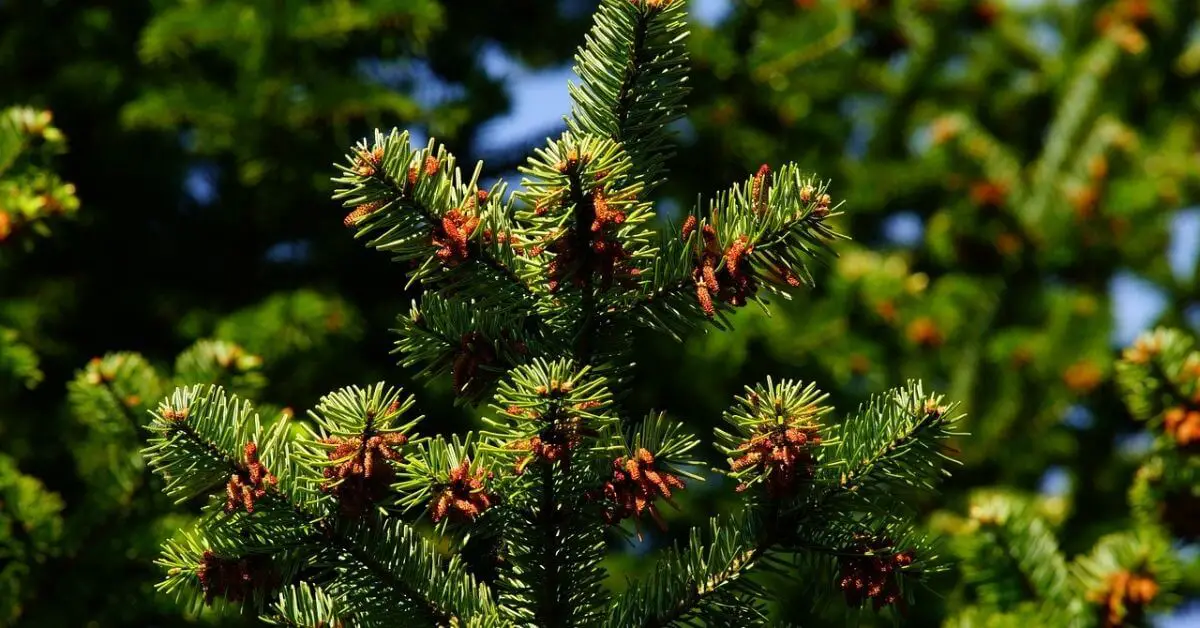
Jack Pine has short, stiff, twisted needles that are yellowish-green in color. The needles grow in clusters of two and are typically about 2–4 cm (¾–1½ inches) long.
Cones
Jack Pine trees are monoecious, meaning both male and female cones grow on the same tree.
The cones are slightly curved and about 3–5 cm long. Young cones appear yellowish-green, but as they mature they become dark brown.
A unique feature of Jack Pine cones is that they are often sealed with resin and only open at high temperatures, typically 49–60°C (120–140°F). This adaptation allows seeds to be released after forest fires.
Bark
The bark of young Jack Pine trees is smooth and pale gray. As the tree matures, the bark becomes darker and more textured, developing narrow ridges and plates.
Pine resin, produced by the bark, has historically been used in traditional medicine and industrial products.
Wildlife Importance
Jack Pine forests provide important habitat for many animals and birds.
One of the most notable species associated with Jack Pine forests is the Kirtland’s Warbler, which relies on young Jack Pine stands for nesting.
The tree also supports wildlife such as:
- Squirrels
- Small birds
- Various forest mammals
Jack Pine seeds and shelter help maintain healthy wildlife populations.
Cultivation
Jack Pine grows best in dry, sandy, or rocky soils and does not require excessive moisture.
The tree typically begins producing cones within 4–5 years. Under favorable conditions, it can grow about 2 feet per year.
Due to its adaptability and fast growth, Jack Pine is sometimes cultivated for timber production and Christmas tree farming.
Jack Pine Firewood
Jack Pine is generally not considered premium firewood because of its relatively low density and heat output.
It produces around 17 million BTUs per cord, which is lower than many hardwood species. Because of this, Jack Pine burns faster and produces less heat.
BTU (British Thermal Unit) is a measurement of heat energy produced by fuel. Woods with higher BTU values generate more heat during burning.
To burn efficiently, firewood should be dried until it contains 15% or less moisture. Properly seasoned wood burns cleaner, produces less smoke, and generates more heat.
Jack Pine Bonsai
Jack Pine can also be used in bonsai cultivation. The word bonsai comes from Japanese and means “planted in a container.”
Bonsai is the practice of growing large tree species in small containers while maintaining their natural shape in miniature form.
Jack Pine works well for bonsai because it is:
- Hardy
- Evergreen
- Adaptable to poor soils
For bonsai cultivation, well-drained soil with a slightly acidic to neutral pH is recommended.
The tree should be placed in a location with good sunlight and airflow, and watering should be done carefully. The soil should dry slightly between watering cycles to prevent root damage.
Conclusion
Jack Pine is a hardy and versatile conifer species that plays an important role in forestry and wood industries.
Although it does not have the same durability as many hardwood species, its fast growth, excellent workability, and adaptability make it valuable for applications such as pulpwood, construction lumber, crates, and pallets.
With its ability to grow in poor soils and support wildlife habitats, Jack Pine remains an important tree species across Canada and the northern United States.