If you’ve never heard of Black Ironwood (Krugiodendron ferreum), you’re not alone — but once you learn what it can do, you won’t forget it. This dense, striking wood is native to Southern Florida, the Caribbean, and Central America, where it grows in coastal scrub, bushy thickets, and evergreen forests. It’s not the biggest tree you’ll ever see, but it’s arguably the toughest.
Quick Facts
| Feature | Detail |
|---|---|
| Scientific Name | Krugiodendron ferreum |
| Height | 16–33 ft |
| Trunk Diameter | 0.5–1 ft |
| Dried Weight | 84 lbs/ft³ (1,355 kg/m³) |
| Janka Hardness | 3,660 lbf (16,280 N) |
| Color | Reds, oranges, violets, browns |
| Rot Resistant | Yes |
| Common Uses | Lumber, flooring, ornamental, food |
Why Is It Called “Ironwood”?
The ironwood family gets its name for a good reason — every species in it is as hard as iron, with a Janka hardness rating above 3,000 lbf. Black Ironwood tops that chart with a score of 3,660 lbf, making it the densest wood of any tree native to North America. For reference, white oak sits around 1,360 lbf. This stuff is in a completely different league.
What Does Black Ironwood Look Like?
Most ironwoods lean dark brown, but Black Ironwood is more interesting than that. Depending on where the tree grew and the local climate, the heartwood can show off rich reds, warm oranges, deep violets, and earthy browns — sometimes all in the same board. The sapwood is a pale yellowish color and stands out clearly from the heartwood, which makes for a striking contrast.
It’s a small to medium-sized tree with slender branches. It prefers moist, well-drained sandy soil and grows slowly — about 1 to 1.5 feet per year — topping out around 25 feet at full maturity.
Uses of Black Ironwood
Lumber & Cabinetry
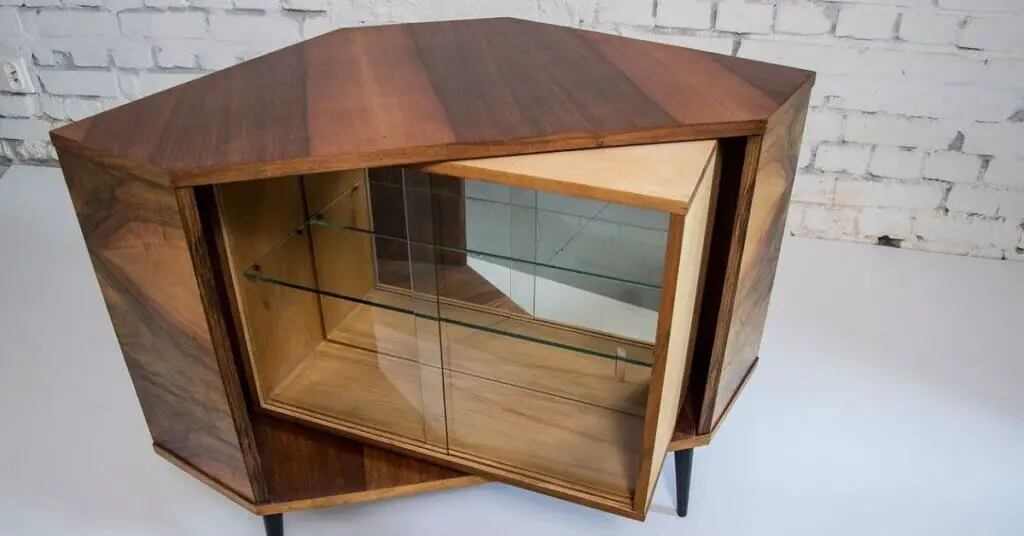
Because it’s so dense and fine-grained, Black Ironwood is a favorite for cabinetry, veneer, small turned objects, and firewood. Furniture made from it can last 50 to 100 years with minimal maintenance — that’s not a marketing claim, that’s just what the wood does.
Flooring
Hardwood floors are always at risk of scratches, dents, and moisture damage — but Black Ironwood changes that equation. With its extreme Janka hardness, it shrugs off daily wear and holds up in conditions that would ruin softer woods. If you want floors that last generations, this is one of the best options out there.
Ornamental Tree
Black Ironwood is also planted as a shade tree in parks and gardens. It’s dense enough to provide solid coverage and attractive enough to earn its spot in a landscape.
Food
Yes, food. Black Ironwood produces small pink flowers and seeds, and both are edible — enjoyed by people and wildlife alike. Birds and small animals rely on the fruit as a food source, and the tree itself provides shelter for several species.
Is It Good for Outdoor Use?
Absolutely. Black Ironwood is naturally resistant to decay and termites, making it well-suited for above-ground exterior applications. You won’t need to treat or seal it the way you would with softer woods.
Is Black Ironwood Hard to Work With?
Honestly, yes. The same density that makes it so durable makes it frustrating to work with by hand. Blades heat up fast, and you’ll notice a burning smell during cuts — that’s normal, but it’s a sign to take it slow and keep your tools sharp. Machine operations like planing are more manageable than hand tool work. It takes patience, but the results are worth it.
How Much Does Black Ironwood Cost?
Black Ironwood is rare, and the price reflects that. It’s not something you’ll find at your local lumber yard. Pricing varies based on grade, size, and supplier. A-grade wood — the best quality, ideal for outdoor and high-end applications — commands the highest prices. If you’re sourcing it, plan to do some searching and budget accordingly.