
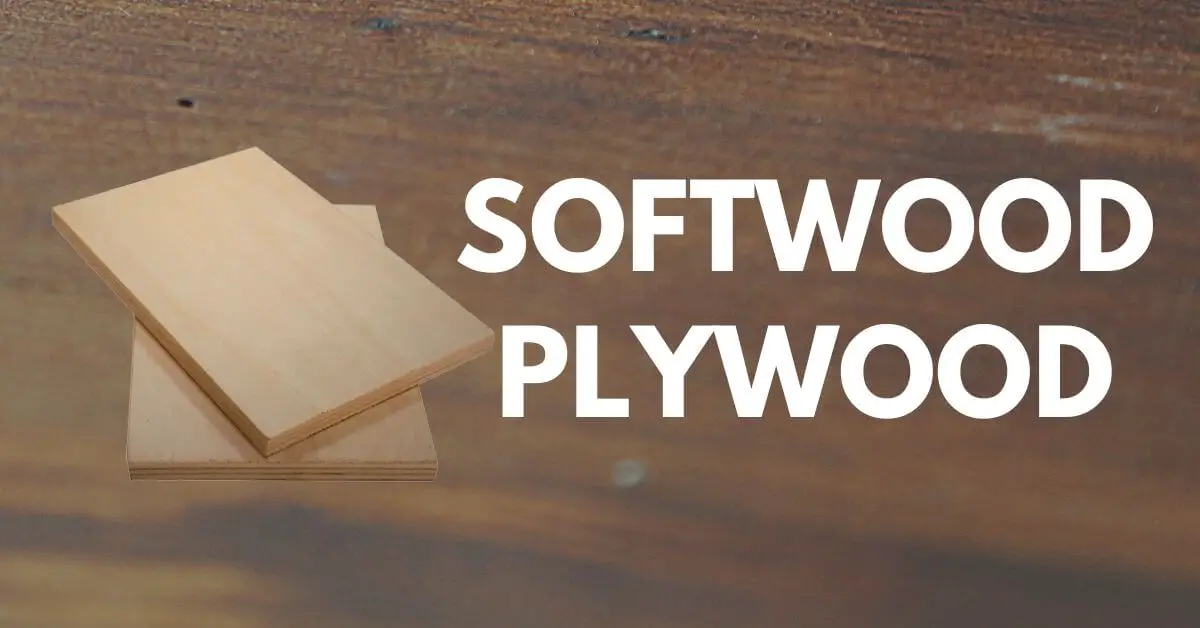
What Is Softwood Plywood?
Softwood plywood is an engineered wood panel made by bonding multiple thin layers (veneers) of softwood together under high heat and pressure. The face and back veneers are usually made from softwood species such as pine, spruce, fir, cedar, or Douglas fir, while the core consists of several cross-laminated veneer layers that improve strength and dimensional stability.
Most exterior softwood plywood is manufactured using phenol-formaldehyde (PF) adhesive, which provides excellent moisture resistance and strong bonding. Interior grades may use different adhesives depending on the intended application.
Softwood plywood is lightweight, durable, affordable, and widely used in residential construction, furniture making, roofing, flooring, and general woodworking.
Common Uses of Softwood Plywood
Softwood plywood is one of the most versatile engineered wood products available.
It is commonly used for:
- Roof sheathing
- Wall sheathing
- Subfloors
- Cabinets
- Furniture
- Shelving
- Packaging boxes
- Interior wall panels
- Dog houses
- Skateboard ramps
- Sheds
- DIY woodworking projects
Because it is available in many grades and thicknesses, softwood plywood is suitable for both structural and decorative applications.
Softwood vs Hardwood Plywood
Many homeowners wonder whether hardwood plywood or softwood plywood is the better choice.
In general, hardwood plywood is denser, stronger, and more durable, making it better suited for furniture, cabinetry, and flooring.
Softwood plywood is lighter, easier to handle, and less expensive, making it ideal for construction, roofing, wall sheathing, and subfloors.
If softwood plywood is used for flooring or outdoor projects, it should be properly sealed to improve its moisture resistance.
Advantages of Softwood Plywood

1. Versatile
Softwood plywood is suitable for a wide variety of construction and woodworking projects.
2. Attractive Appearance
Higher-grade softwood plywood has a smooth, attractive surface that can be painted, stained, or laminated.
3. Widely Available
Softwood plywood is available in numerous grades, sheet sizes, and thicknesses.
4. Lightweight
Compared with hardwood plywood, softwood plywood is lighter and easier to transport, cut, and install.
5. Cost-Effective
Softwood plywood is generally less expensive than hardwood plywood and marine plywood, making it a popular choice for budget-friendly projects.
6. Good Screw-Holding Ability
The cross-laminated veneer construction provides good nail and screw holding while reducing the risk of splitting.
Disadvantages of Softwood Plywood
1. Lower Durability Than Hardwood Plywood
Softwood plywood is generally less dense than hardwood plywood and is more susceptible to dents and scratches.
2. Not Waterproof
Standard softwood plywood is water-resistant rather than waterproof.
Without proper sealing, prolonged exposure to moisture can lead to swelling and delamination.
3. Lower Grades May Contain Voids
Lower-quality panels may contain internal voids that reduce strength and durability.
Types of Softwood Plywood
Softwood plywood is available in many species, including:
- Pine plywood
- Douglas Fir plywood
- Cedar plywood
- Spruce plywood
- Redwood plywood
It is also available in several grades.
- A Grade – Smooth surface with virtually no defects.
- B Grade – Minor repairs permitted.
- C Grade – Small knots and repairs allowed.
- D Grade – Larger knots and visible defects.
Higher grades are commonly used for furniture and cabinets, while lower grades are typically used for structural construction.
Is Softwood Plywood Expensive?
Softwood plywood is generally considered an affordable engineered wood product.
Its price depends on several factors, including:
- Thickness
- Grade
- Wood species
- Adhesive type
- Manufacturer
Compared with other sheet materials:
- Cheaper than hardwood plywood
- Usually cheaper than marine plywood
- More expensive than MDF in many cases
- Often similar in price to OSB depending on the market
How Is Softwood Plywood Made?
Softwood plywood is manufactured by bonding several thin veneer sheets together using heat, pressure, and waterproof or moisture-resistant adhesive.
Each veneer layer is placed perpendicular to the previous layer.
This cross-grain construction improves:
- Strength
- Stability
- Resistance to warping
- Resistance to splitting
Most softwood plywood contains between three and nine veneer layers, depending on its thickness.
Higher-quality exterior panels may also receive preservative treatments to improve resistance to insects and decay.
Is Chemically Treated Plywood Safe?
Modern preservative-treated plywood is generally considered safe when used as intended.
Older pressure-treated plywood manufactured before 2003 often contained chromated copper arsenate (CCA), which has largely been replaced by safer preservative systems in many countries.
When cutting or sanding treated plywood, always wear appropriate personal protective equipment and avoid inhaling wood dust.
Can You Use Softwood Plywood Outdoors?
Yes—but only the right type.
Interior-grade softwood plywood should not be used outdoors because it is not designed for prolonged exposure to rain and moisture.
Exterior-grade softwood plywood, manufactured with waterproof adhesive, is suitable for:
- Exterior walls
- Roof sheathing
- Sheds
- Outdoor storage
- Temporary outdoor structures
Even exterior plywood should be sealed or painted to maximize its service life.
How to Care for Softwood Plywood
Proper maintenance can significantly extend the life of softwood plywood.
For outdoor applications:
- Seal all exposed edges.
- Apply exterior paint or waterproof varnish.
- Inspect the finish annually.
- Repair damaged coatings promptly.
- Prevent standing water from remaining on the surface.
Indoor plywood requires only occasional cleaning and protection from excessive moisture.
Frequently Asked Questions
Is Softwood Plywood Strong?
Yes.
Softwood plywood offers excellent strength for its weight and is widely used in structural construction, roofing, and flooring.
Can Softwood Plywood Be Painted?
Yes.
Softwood plywood accepts paint very well after proper sanding and priming.
Can Softwood Plywood Be Stained?
Yes.
Higher-grade plywood with attractive face veneers can be stained to highlight the natural wood grain.
Is Softwood Plywood Better Than MDF?
It depends on the project.
Softwood plywood is generally stronger, lighter, and more moisture-resistant than MDF, while MDF provides a smoother surface for painted furniture.
Conclusion
Softwood plywood is a lightweight, affordable, and versatile engineered wood product suitable for a wide variety of construction and woodworking projects. It offers good strength, excellent dimensional stability, and easy workability, making it one of the most widely used sheet materials in the building industry.
For indoor projects, standard softwood plywood performs exceptionally well. For outdoor applications, choose exterior-grade softwood plywood and protect it with an appropriate exterior finish to maximize its durability.