
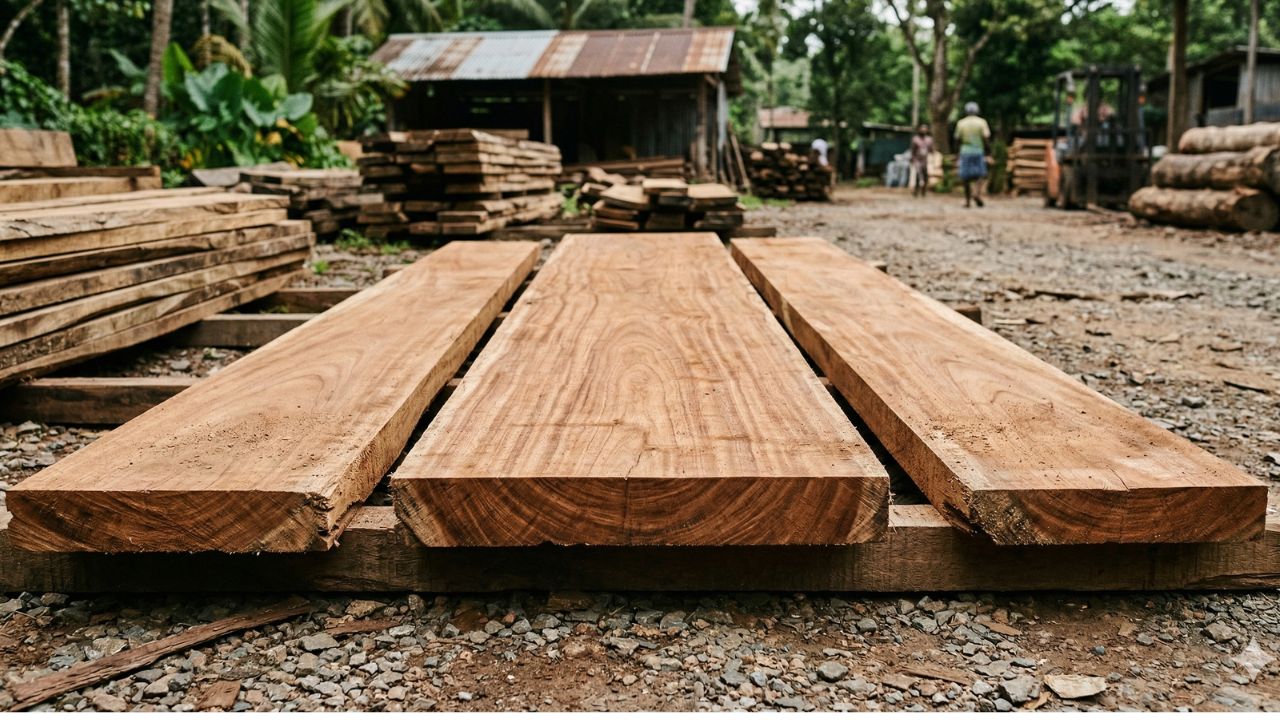
If you’ve ever walked into a high-end furniture store and admired a deep reddish-brown dining table with a silky-smooth finish, there’s a good chance you were looking at mahogany. It’s one of the most iconic woods in American furniture history — and for good reason.
But is mahogany wood actually good for furniture in 2024? And is it worth the higher price tag compared to oak, walnut, or pine?
The short answer is yes — mahogany is excellent for furniture. But like every material, it comes with trade-offs. In this guide, we’ll walk you through everything you need to know before buying or building mahogany furniture in the US: its properties, types, pros, cons, cost, and how it stacks up against popular alternatives.
What Is Mahogany Wood?
Mahogany is a tropical hardwood that comes from trees in the Swietenia genus, native to the Americas and parts of Central Africa. There are three true mahogany species:
- Honduran (Big-Leaf) Mahogany — Swietenia macrophylla — the most widely available and the only genuine mahogany species commercially grown today
- Cuban Mahogany — Swietenia mahagoni — now extremely rare and highly regulated
- Pacific Coast Mahogany — Swietenia humilis — found in dry coastal regions of Central America
In the US market, you’ll also encounter woods commonly sold under the mahogany name that aren’t technically “true” mahogany:
- African Mahogany (Khaya) — similar look and workability, slightly less durable, more affordable and widely available
- Philippine Mahogany (Lauan) — reddish in color but significantly softer and less durable than genuine mahogany
- Santos Mahogany — actually a different species (Myroxylon balsamum), exceptionally dense and durable, often used for flooring
When shopping for mahogany furniture in the US, always ask whether the piece is made from genuine Swietenia mahogany or an alternative species. The difference in quality and longevity is significant.
Key Properties of Mahogany Wood
Here’s a quick look at what makes mahogany stand out technically:
| Property | Mahogany (Honduran) |
|---|---|
| Janka Hardness | ~800 lbf |
| Average Dried Weight | 40–45 lbs/ft³ |
| Color | Pale pinkish-brown to rich reddish-brown |
| Grain | Straight, fine, occasionally interlocked |
| Durability | High — resists rot, termites, and moisture |
| Workability | Excellent — sands, glues, stains, and carves beautifully |
| Stability | High — minimal shrinking or warping |
Its Janka hardness of 800 lbf places it softer than oak (1,290 lbf) and walnut (1,010 lbf) but harder than pine (420–870 lbf depending on species). For furniture — as opposed to flooring — this level of hardness is more than adequate.
Is Mahogany Wood Good for Furniture? Here’s Why It Is
1. It Looks Better With Age
Mahogany doesn’t just look good on day one — it actively improves over time. Its reddish-brown heartwood deepens in color and develops a rich, warm patina as it ages. It’s one of the few woods that exhibits the famous “cat’s eye effect,” an almost three-dimensional shimmer that becomes more pronounced over years of use. This is a big reason why antique mahogany furniture is still sought-after and valuable today.
2. It’s Exceptionally Durable for Indoor Use
Mahogany naturally resists fungal decay, termite damage, and wood borers. It’s also dimensionally stable, meaning it won’t warp, crack, or split dramatically with changes in humidity — a major concern for US homeowners dealing with seasonal climate swings. A well-made mahogany dining table or bed frame can realistically last 50 to 100 years with basic care.
3. It’s a Dream to Work With
Ask any American furniture maker and they’ll tell you: mahogany is among the most satisfying woods to work with. It cuts cleanly with both hand tools and machines, takes nails and screws without splitting, glues up evenly, and accepts stains and finishes beautifully. Its straight, consistent grain means fewer surprises during machining, and it’s easy to carve detailed joinery and decorative elements.
4. It Finishes Exceptionally Well
Whether you prefer oil, lacquer, shellac, or polyurethane, mahogany takes virtually every finish superbly. Its fine, closed grain doesn’t require a pore filler like oak does, which speeds up the finishing process and creates a glassy, polished surface that defines the look of traditional American fine furniture.
5. It Has a Proven Heritage in American Furniture
Mahogany has been the preferred wood for fine American furniture since the mid-18th century. Much of the first-quality furniture made in the American colonies was built from mahogany, and iconic furniture periods like Chippendale, Hepplewhite, and Federal styles were defined by it. When you buy mahogany furniture, you’re buying into one of America’s longest-standing woodworking traditions.
The Downsides of Mahogany Furniture
No wood is perfect. Here’s where mahogany falls short:
It’s Expensive
Genuine mahogany commands a premium price. A solid mahogany dining table can run $1,500 to $5,000 or more depending on size and craftsmanship. If you’re on a tight budget, alternatives like cherry, walnut, or hard maple offer comparable quality at a lower cost.
It’s Softer Than Some Hardwoods
With a Janka rating of 800 lbf, mahogany is softer than oak, hickory, and teak. For heavily used furniture — like a kitchen table with kids — it can develop dents and scratches over time more readily than a harder species. For a formal dining room or bedroom set, this is generally not an issue.
Sustainability Is a Real Concern
This is arguably mahogany’s biggest problem. True Swietenia mahogany has been heavily over-harvested for centuries. The US is the world’s largest importer, and a significant percentage of the mahogany in the American market has historically been illegally harvested. If you’re buying mahogany furniture, always look for FSC-certified (Forest Stewardship Council) wood to ensure it was legally and sustainably sourced.
It Gets Darker Over Time
While many people love how mahogany deepens with age, others find the progressive darkening undesirable — especially if they were drawn to the lighter, pinkish tone of fresh mahogany. This isn’t a defect, but it’s something to factor in when matching it with the rest of your interior.
Mahogany Furniture: Best Uses Around the Home
Mahogany shines in specific furniture applications. Here’s where it performs best:
Dining Tables and Chairs — Its stability and beautiful finish make it ideal for formal dining sets. Heirloom-quality mahogany tables are a staple of American fine furniture.
Bedroom Furniture — Bed frames, dressers, and armoires in mahogany develop a warmth and elegance that’s hard to replicate in other woods. Indoor use keeps it protected from the elements, allowing it to last for generations.
Home Office Desks and Bookshelves — The wood’s fine grain and workability make it perfect for built-in bookshelves, desks, and library furniture. It also resists the mild daily wear these pieces receive.
Cabinets and Storage — Mahogany’s dimensional stability prevents cabinet doors from sticking or warping, and it holds hardware screws firmly.
Decorative Carving and Accent Pieces — Few woods carve as cleanly as mahogany. Ornate chair legs, mirror frames, and decorative panels are traditional applications.
Mahogany vs. Other Popular Furniture Woods
| Wood | Janka | Durability | Cost (relative) | Best For |
|---|---|---|---|---|
| Mahogany | 800 | High | $$$ | Fine furniture, cabinets, carving |
| Red Oak | 1,290 | High | $$ | Flooring, cabinets, traditional furniture |
| Black Walnut | 1,010 | High | $$$ | Modern fine furniture, live edge pieces |
| Cherry | 995 | Medium-High | $$$ | Best domestic alternative to mahogany |
| Hard Maple | 1,450 | Very High | $$ | Kitchen tables, cutting boards |
| White Pine | 420 | Low-Medium | $ | Rustic and farmhouse furniture |
Mahogany vs. Oak: Oak is harder and less expensive, with a more pronounced grain texture. Mahogany has a finer, more uniform appearance and is considered more of a luxury option. If you’re after that classic American colonial look, mahogany wins. For a rustic or country aesthetic, oak is the better fit.
Mahogany vs. Cherry: Cherry is the closest domestic alternative to mahogany in terms of color, workability, and the way it ages beautifully. Cherry is slightly harder and easier to source sustainably in the US. If budget is a concern or you prefer domestic wood, cherry is an excellent choice.
Mahogany vs. Walnut: Walnut is darker, harder, and currently very popular in contemporary American furniture design. Mahogany has the edge in workability and traditional elegance; walnut wins on modern aesthetics and hardness.
How to Care for Mahogany Furniture
Mahogany is relatively low-maintenance compared to other fine hardwoods. Here’s how to keep it looking its best:
- Dust regularly with a soft, dry cloth. Avoid abrasive cleaners.
- Oil or wax annually using a quality furniture wax or Danish oil to preserve the finish and deepen the natural color.
- Avoid direct sunlight for extended periods, which can cause uneven fading. Use curtains or UV-filtering window film in sun-heavy rooms.
- Use coasters and placemats on dining tables to prevent heat and moisture rings.
- Control humidity in your home. Like all wood, mahogany performs best at 35–55% relative humidity. A good humidifier in winter helps prevent any minor cracking in dry climates.
- Refinish every 20–30 years if the piece sees heavy use. A professional light sanding and re-oiling will restore it close to its original appearance.
How to Buy Mahogany Furniture in the US: What to Look For
Before spending your money, keep these buying tips in mind:
1. Verify it’s genuine mahogany. Ask the seller or manufacturer whether the piece uses Swietenia macrophylla (Honduran mahogany) or an alternative species like African mahogany or Lauan. The grade and price should reflect this.
2. Look for FSC certification. The Forest Stewardship Council label ensures the wood was harvested legally and sustainably. This is increasingly available and worth the slight price premium.
3. Check for solid wood vs. veneer. A lot of “mahogany furniture” uses thin mahogany veneer over a cheaper substrate. Veneer isn’t inherently bad — it can be very durable — but solid mahogany construction is generally more valuable and easier to refinish.
4. Inspect the joints. Quality mahogany furniture uses traditional joinery like mortise-and-tenon or dovetail joints. Avoid pieces held together purely by staples or only wood glue.
5. Consider plantation-grown alternatives. Plantation-grown mahogany from Fiji and other regions is now widely available and certified sustainable. It’s slightly lighter in color and density than old-growth South American mahogany, but it’s a responsible choice.
Frequently Asked Questions
How long does mahogany furniture last? With normal indoor use and basic maintenance, solid mahogany furniture can easily last 50 to 100 years. Antique mahogany pieces from the 18th and 19th centuries are still in use and sought after today, which tells you everything about its longevity.
Is mahogany furniture worth the price? For people who want furniture they can pass down to the next generation, yes. Mahogany is a long-term investment. If you’re furnishing a first apartment or plan to redecorate frequently, less expensive woods like oak or pine are smarter choices.
Is African mahogany as good as genuine mahogany? African mahogany (Khaya) is a solid choice. It looks very similar, works well, and resists decay, though it doesn’t match the insect resistance of genuine Swietenia mahogany. For most furniture applications, it’s an excellent and more accessible option.
Can mahogany furniture be used outdoors? Treated mahogany can work for covered outdoor spaces like screened porches, but it requires regular sealing or oiling to handle direct weather exposure. For fully outdoor furniture in the US, teak, cedar, or ipe are better long-term choices.
What color stain looks best on mahogany? Mahogany looks stunning with a clear oil or natural finish that lets its warm reddish-brown show through. Dark walnut and cherry stains also complement it beautifully. Avoid heavy gray or cool-toned stains, which fight against the wood’s natural warmth.
Final Verdict: Is Mahogany Worth It?
Mahogany is absolutely one of the best woods for furniture — particularly for pieces you plan to keep for decades. Its combination of beauty, workability, stability, and natural durability is hard to beat. American furniture makers and buyers have trusted it for over 300 years, and that reputation is entirely earned.
The caveats are real: it’s expensive, sourcing responsibly requires attention, and it’s softer than a few alternatives. But if you want a dining table that will still be stunning in your grandchildren’s home, a bedroom set that deepens in beauty every year, or a desk that feels genuinely luxurious to work at — mahogany delivers on every count.
Just make sure to buy from reputable suppliers, look for FSC-certified wood, and verify you’re getting genuine mahogany rather than a lower-grade substitute.